

Construction and Validation of a Preoperative Surgical Difficulty Prediction and Risk Stratification System for Posterior Spinal Deformity Correction Surgery Based on Machine Learning - Multicenter Cohort Study
- 14 January 2026
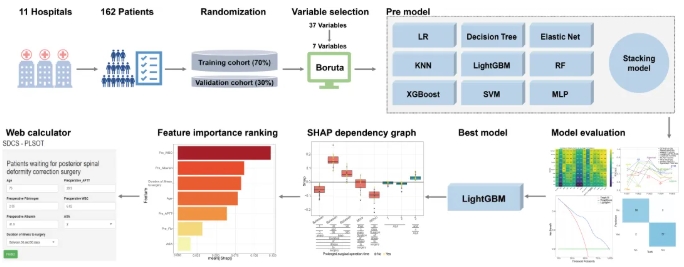
Operative duration reflects surgical complexity and is valuable for perioperative planning. To predict prolonged operative time in posterior spinal deformity correction, we developed a preoperative machine-learning model. Data from 162 patients across 11 hospitals were analyzed. Ten algorithms were trained and compared, and the best-performing model was implemented as a web calculator. Boruta identified seven key predictors: interval from illness to surgery, fibrinogen, white blood cell count, activated partial thromboplastin time, American Society of Anesthesiologists class, albumin, and age. LightGBM showed the most consistent performance, achieving an AUC of approximately 0.70. SHAP analyses improved interpretability, and calibration and decision-curve analyses indicated good calibration and net clinical benefit. We developed an interpretable, internally validated model to estimate operative duration in posterior spinal deformity surgery. The web calculator may support individualized planning and more efficient operating-room resource allocation.
Trends in Rheumatoid Arthritis Mortality Among Postmenopausal Women in the United States, 1999–2023
- 31 December 2026
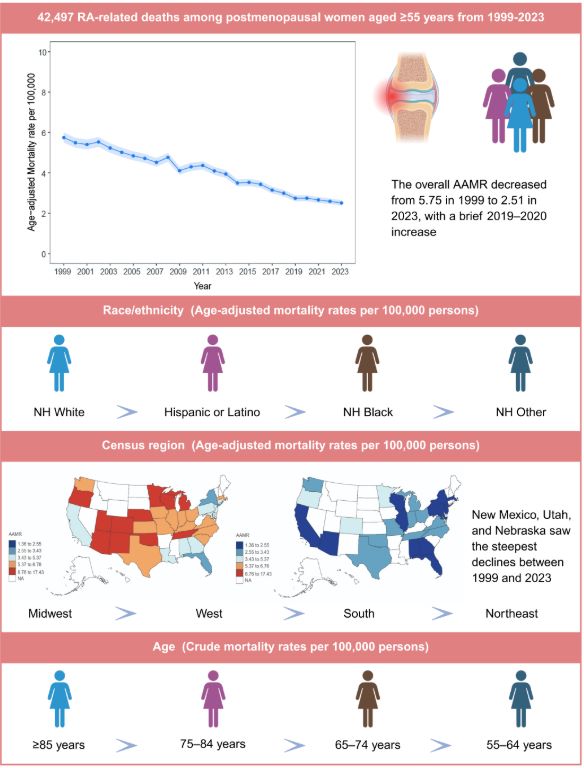
Rheumatoid arthritis (RA) disproportionately affects postmenopausal women, who are at an increased risk of developing RA and experience higher RA-related mortality compared to premenopausal women. This study examines trends in RA-related mortality among U.S. postmenopausal women aged 55 and older from 1999 to 2023. We explored disparities in mortality by race/ethnicity, region, and age, and projected future mortality rates through 2030. Data were sourced from the CDC WONDER database, with RA-related deaths identified using ICD-10 codes M05 and M06. Age-adjusted mortality rates (AAMRs) were calculated via direct standardization, and trends were analyzed using Joinpoint regression to estimate annual percentage change (APC). During the study period, there were 42,497 RA-related deaths. Overall, AAMRs declined significantly from 5.75 to 2.51 per 100,000 (AAPC: −3.53), though a temporary increase was observed during the COVID-19 pandemic. The highest mortality rates were observed among non-Hispanic White women, followed by Hispanic or Latino, non-Hispanic Black, and other racial groups. Geographically, the Midwest and West had the highest AAMRs, while the Northeast reported the lowest. Women aged 85 and older consistently exhibited the highest mortality across all age groups. Projections suggest that the downward trend in mortality will continue, with AAMRs expected to reach 1.55 per 100,000 by 2030. Despite the overall decline, significant disparities persist by race/ethnicity, region, and age, highlighting the need for targeted interventions to address inequities in healthcare access and outcomes.
Endometrial Stromal Cell Senescence: A Non-Negligible Factor in Recurrent Pregnancy Loss
- 12 January 2026
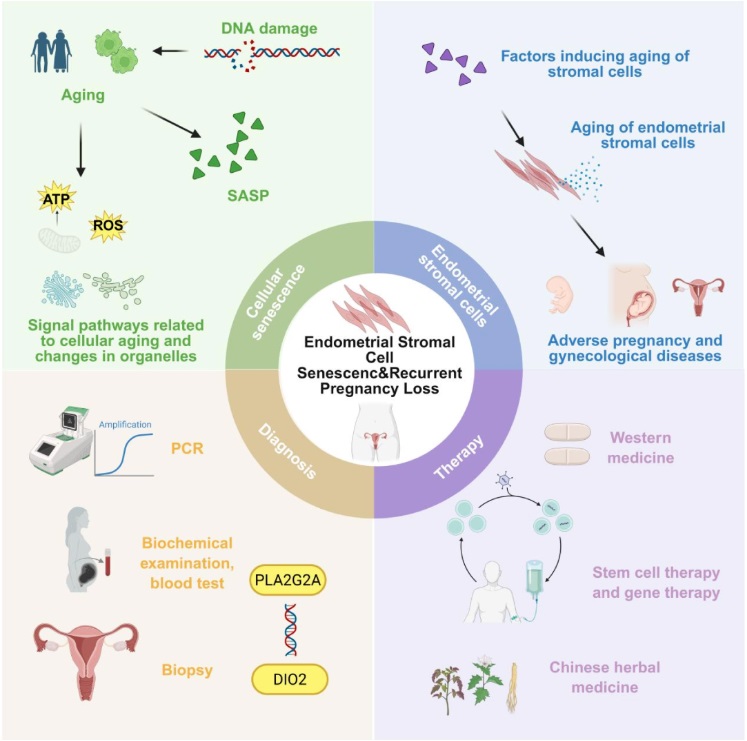
Recurrent pregnancy loss (RPL) affects approximately 1%–2% of couples of reproductive age, imposing a substantial physiological and psychological burden on patients. Concurrently, against the backdrop of global population aging, the association between female reproductive aging and infertility is increasingly evident. Cellular senescence is typically characterized by an essentially irreversible cell-cycle arrest and widespread cellular injury, culminating in tissue dysfunction. Aberrant senescence of endometrial stromal cells (EnSCs) may contribute to RPL by compromising endometrial receptivity and impeding embryo implantation and subsequent development, among other mechanisms. However, the interplay between cellular senescence and tissue or organismal function is complex and interdependent. In the endometrium, senescence of EnSCs engages in bidirectional crosstalk with the tissue-specific process of decidualization. Based on existing literature, this article aims to: (1) elucidate how cellular aging is both a component of normal decidualization and may be involved in the progression of RPL; (2) speculate on the cellular event sequence involved in EnSCs aging during normal and damaged decidualization processes. In-depth analysis of the interaction between EnSCs aging and decidualization will help propose targeted anti-aging therapies to eliminate aging cells, as a potential strategy for restoring damaged endometrial receptivity and improving the success rate of in vitro fertilization.
A Pan-Cancer Microenvironment Atlas Constructed by DECEPTICONx
- 12 January 2026
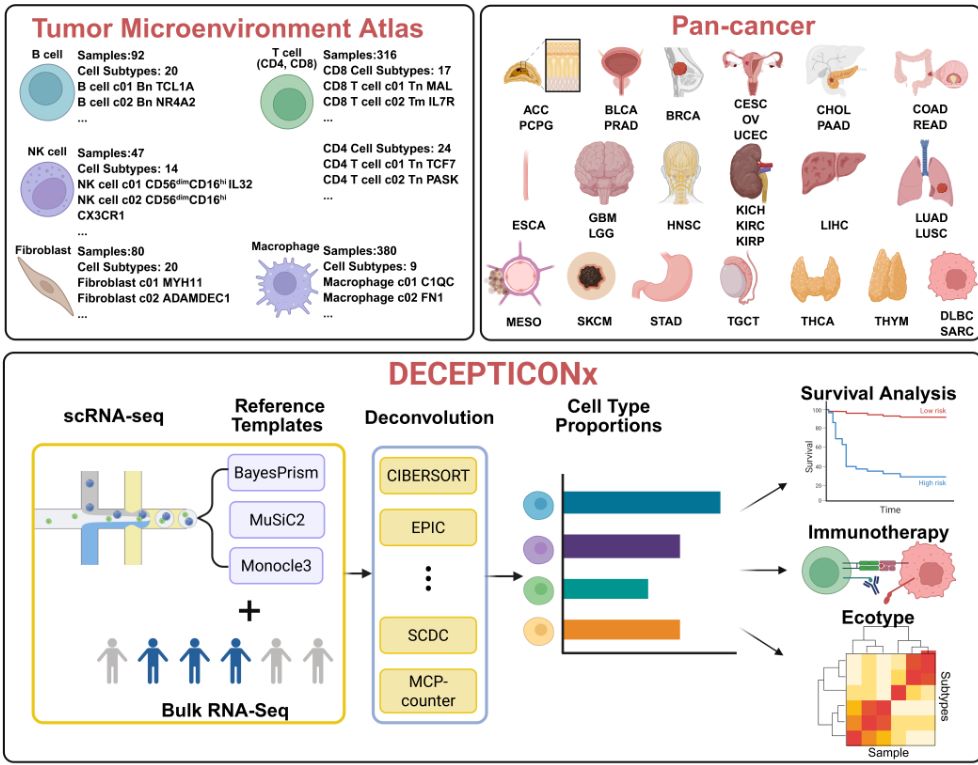
DECEPTICONx framework optimizes deconvolution for high-resolution TME profiling across cancers. Constructed pan-cancer atlas of 102 subtypes in 11,000 TCGA samples, linking to prognosis. Uncovered TME subtypes associated with immunotherapy response and immune modules.
Targeting Microbiome Metabolites: Reshaping Immunotherapy and Clinical Management Strategies for Colorectal Cancer
- 06 February 2026
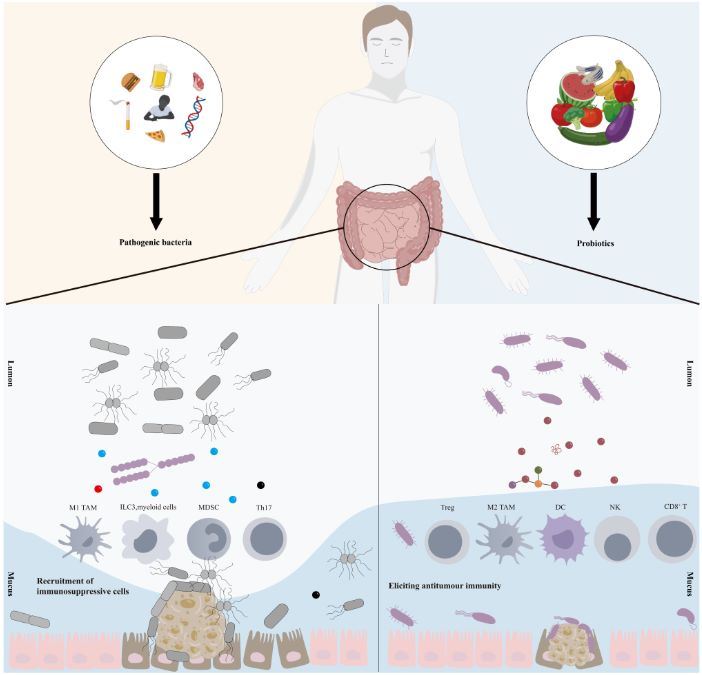
The pathogenesis of colorectal cancer (CRC) is closely associated with gut microbial metabolites, which exert crucial regulatory effects within the tumor immune microenvironment. These metabolites play a dual role in CRC immunity: certain metabolites promote tumor progression by inducing chronic inflammation, recruiting myeloid-derived suppressor cells, and suppressing CD8+ T cell function; while others, such as short-chain fatty acids and tryptophan metabolites, enhance anti-tumor immunity and improve the efficacy of immune checkpoint inhibitors (ICBs). This paper systematically explores intervention strategies targeting this mechanism, including probiotics, prebiotics, metabolite adjuvants, and their combination with immunotherapy to overcome ICB resistance. Furthermore, the analysis of specific metabolites (e.g., cholic acid derivatives) and microbial signatures (e.g., enrichment of F. nucleatum) has been identified as a potential avenue for the development of novel non-invasive biomarkers, which could facilitate early screening and differential diagnosis. Notwithstanding the challenges encountered in the clinical translation of these technologies, the integration of multi-omics and artificial intelligence with the immunoregulatory mechanisms and diagnostic potential of metabolites holds great promise for advancing precision medicine in the comprehensive management of CRC.
Pyridoxal Reprograms Peroxisomal Hydrogen Peroxide Metabolism to Induce Lethal Oxidative Stress in Ovarian Cancer
- 15 March 2026
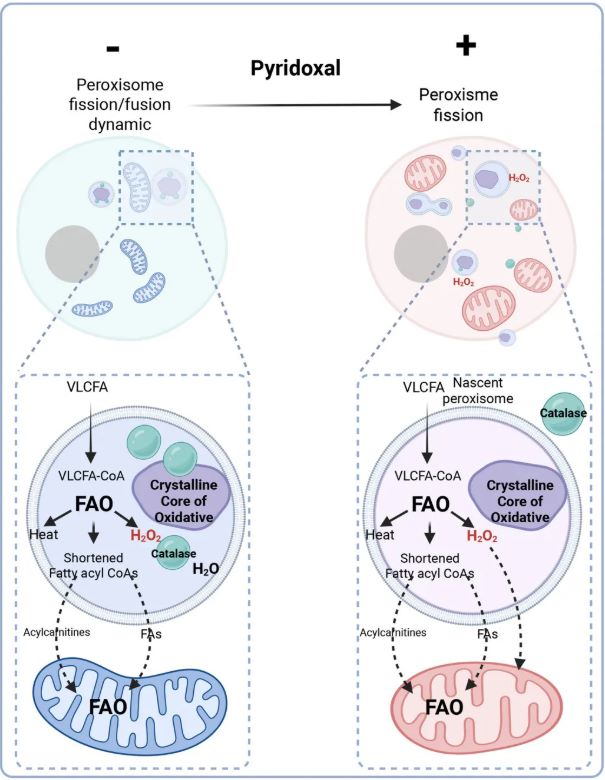
While pyridoxal 5′-phosphate (PLP) is considered the bioactive form of vitamin B6 with context-dependent anticancer roles, we redefine its non-phosphorylated precursor, pyridoxal (PL), as a direct and potent cytotoxic agent against ovarian cancer. Using validated patient-derived organoids encompassing diverse histological subtypes and orthotopic in vivo models, we demonstrate that unmetabolized PL triggers lethal oxidative stress independent of PLP conversion. Mechanistically, PL induces PEX11A-dependent peroxisome fission and disrupts PEX5-dependent catalase import, fundamentally switching peroxisomal function from a protective hydrogen peroxide (H2O2) scavenger to a dominant H2O2 generator through accelerated fatty acid β-oxidation. This peroxisome-driven H2O2 surge propagates severe oxidative damage, causing mitochondrial dysfunction, DNA fragmentation, and intrinsic apoptosis. The cytotoxic cascade is significantly rescued by antioxidants, confirming redox imbalance as the primary death mechanism. Our findings reveal an unprecedented mechanism wherein PL exploits peroxisomal metabolism to create a lethal H2O2 overload, effectively repurposing a cellular detoxification organelle into a vulnerability. This work establishes unmodified PL as a novel cancer therapeutic agent by reprogramming redox homeostasis and positions peroxisomal H2O2 flux as a druggable target in ovarian cancer. Inhibiting PL phosphorylation enhances efficacy, offering a promising strategy for targeting therapy-resistant disease.
The Human Skin Microbiome Is a Reflective Mirror of Alcohol Intake
- 22 March 2026
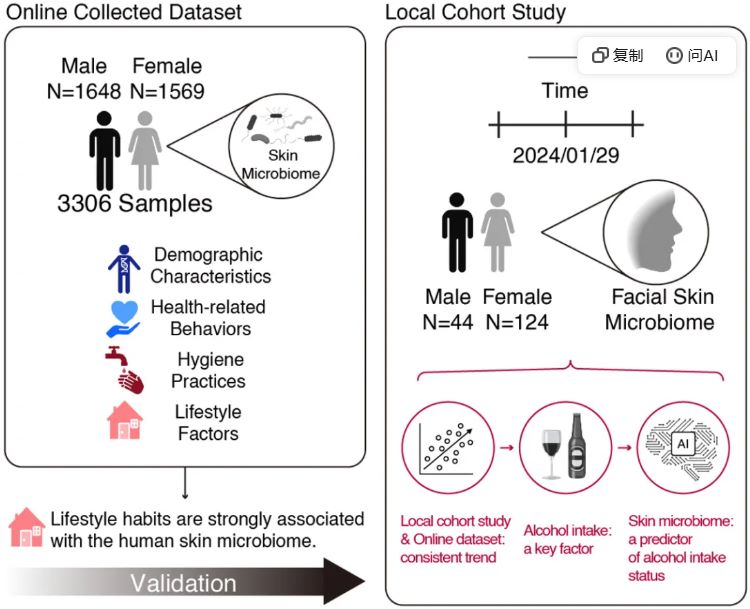
The human skin microbiome is attracting increasing attention due to its association with health. However, comprehensive knowledge about the impact of various factors on skin microbiome variation and their comparative magnitudes remains to be investigated. Here, we profiled the human skin microbiome through an integrated analysis of public datasets. Skin microbiomes exhibit high diversity and possess distinct co-occurrence patterns, based on which they have been classified into several modules. Key host and environmental factors were assessed for microbiome associations, and lifestyle habits (such as alcohol intake and physical activity) were notably found to be highly impactful. We thus conducted a local cohort for validation, and the results are highly consistent. Through machine learning-based analysis, we further identified potential microbial biomarkers and demonstrated accurate bidirectional prediction based on either the skin microbiome or alcohol intake. Our study reveals that alcohol intake is a primary driver of skin microbial community structure, exhibiting an effect size comparable to traditional host factors. This work advances the skin microbiome field by revealing skin-specific ecology and establishing it as a promising lifestyle mirror and physiological predictor.
Nervous System and Cancer: Organ as the Basic Unit
- 19 March 2026
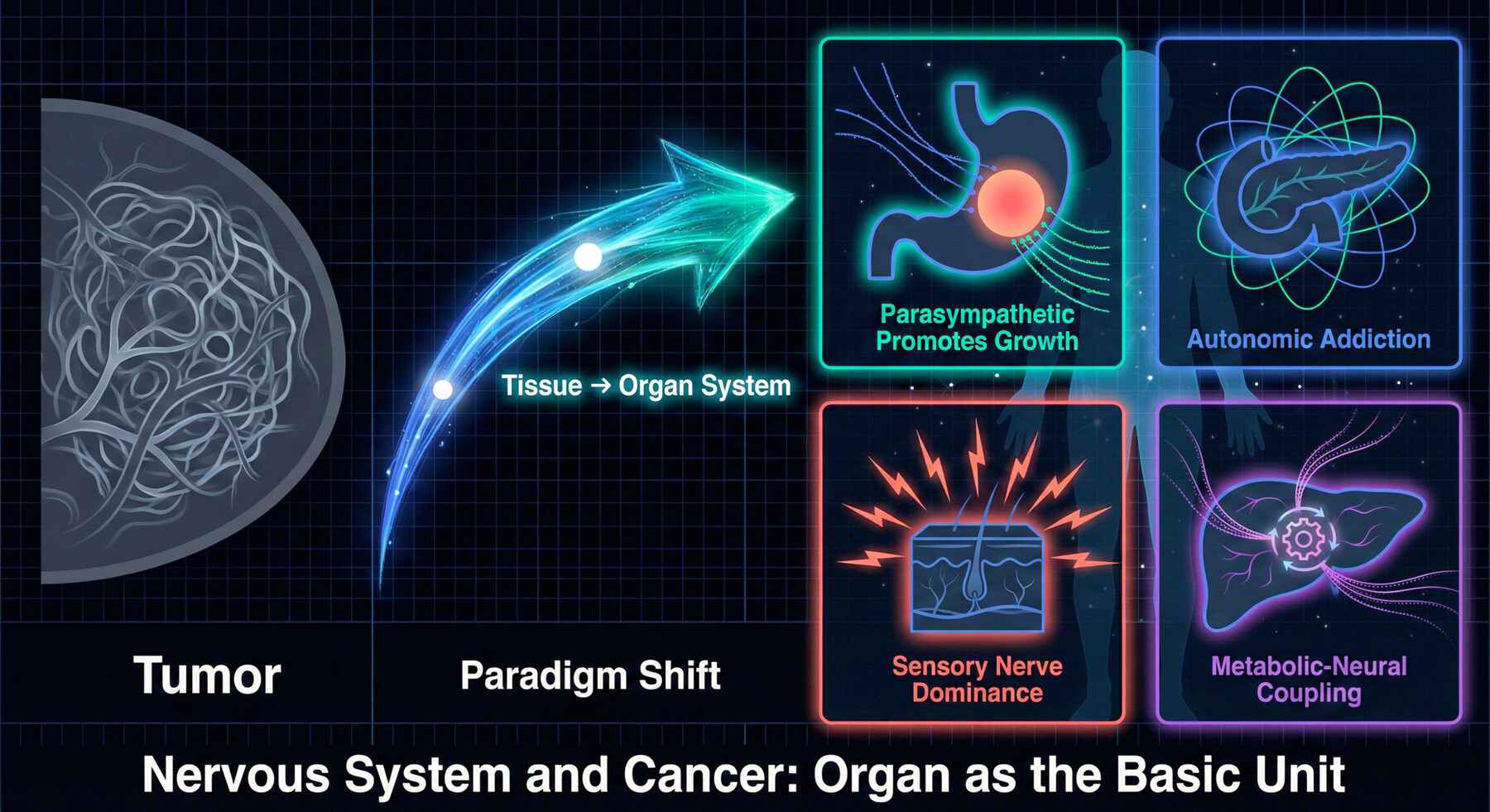
The paradigm shift from molecular oncology to systems medicine reconceptualizes cancer from aberrant proliferative tissue to a pathological organ with systemic ramifications. This establishes a novel framework at the intersection of oncology and neurobiology, investigating neuro-tumor interactions through the innervation context of the anatomical site or organ harboring the tumor.