










iMetaMed: Transcending Disciplinary Borders and Integrative Vision for Medicine
- 27 September 2025
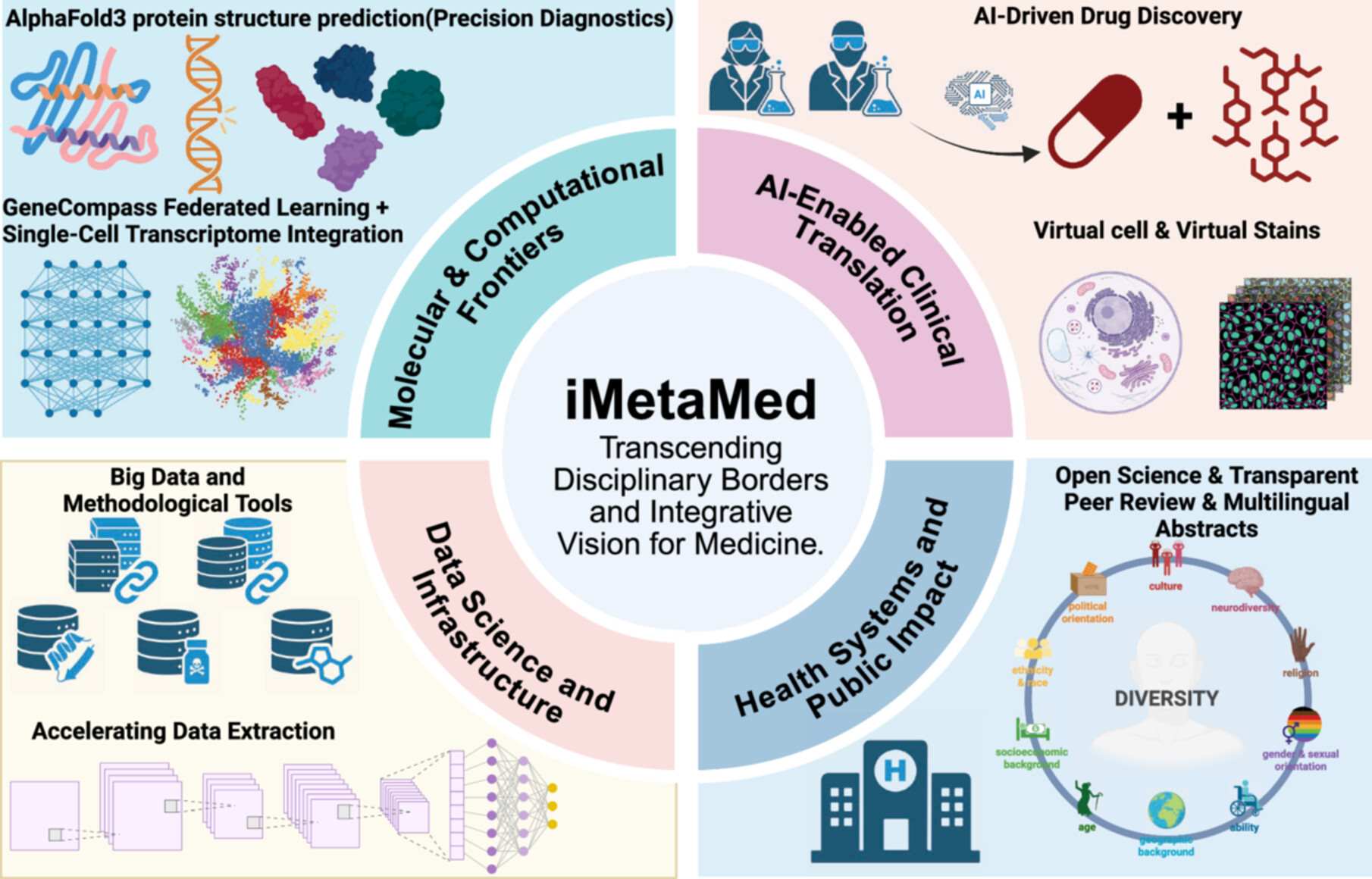
The iMetaMed framework illustrates the integrative vision for medicine by dissolving disciplinary boundaries. Four major modules are highlighted: (1) Molecular & Computational Frontiers, represented by AlphaFold3 protein structure prediction (precision diagnostics), GeneCompass federated learning, and single-cell transcriptome integration; (2) AI-Enabled Clinical Translation, including AI-driven drug discovery, virtual cell modeling, and generative virtual staining; (3) Data Science & Infrastructure, featuring big data methodologies, dual-axis slicing, semantic dictionaries, and accelerated Biobank data extraction; and (4) Health Systems & Public Impact, encompassing telemedicine applications, open science, transparent peer review, multilingual dissemination, and diversity-oriented equity frameworks. At the core, iMetaMed envisions a seamless continuum from molecules to clinical practice, population health, and policy—transforming information abundance into actionable breakthroughs for global health.
Slicing and Dictionaries: A New Approach to Medical Big Data
- 05 August 2025
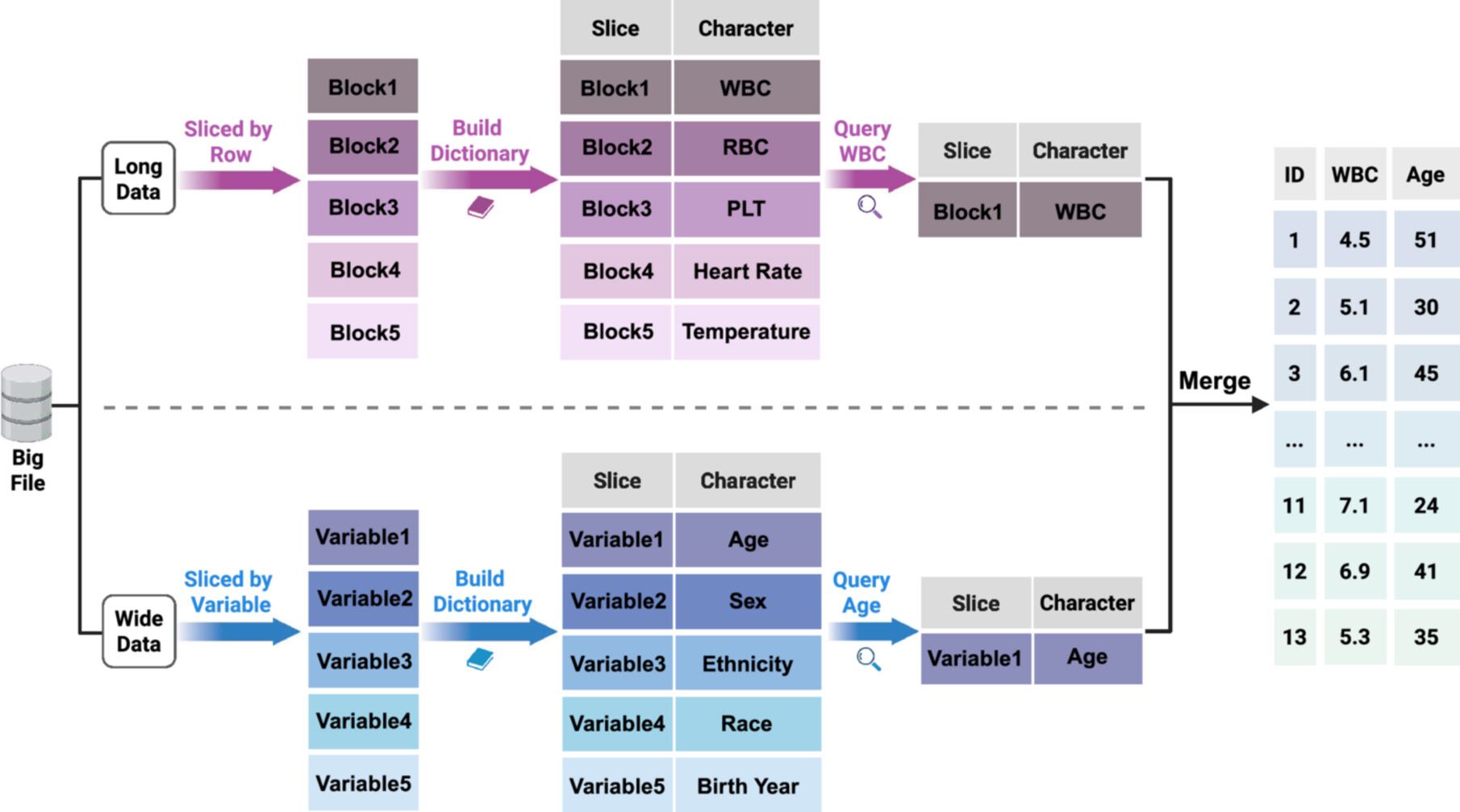
We present SliceDB, a dual-dimensional data partitioning framework that optimizes healthcare data access through strategic row-wise and column-wise slicing coupled with semantic dictionaries, enabling efficient querying of massive clinical datasets on standard computing resources without specialized database expertise.
FastUKB: A Revolutionary Tool for Simplifying UK Biobank Data Analysis
- 05 August 2025
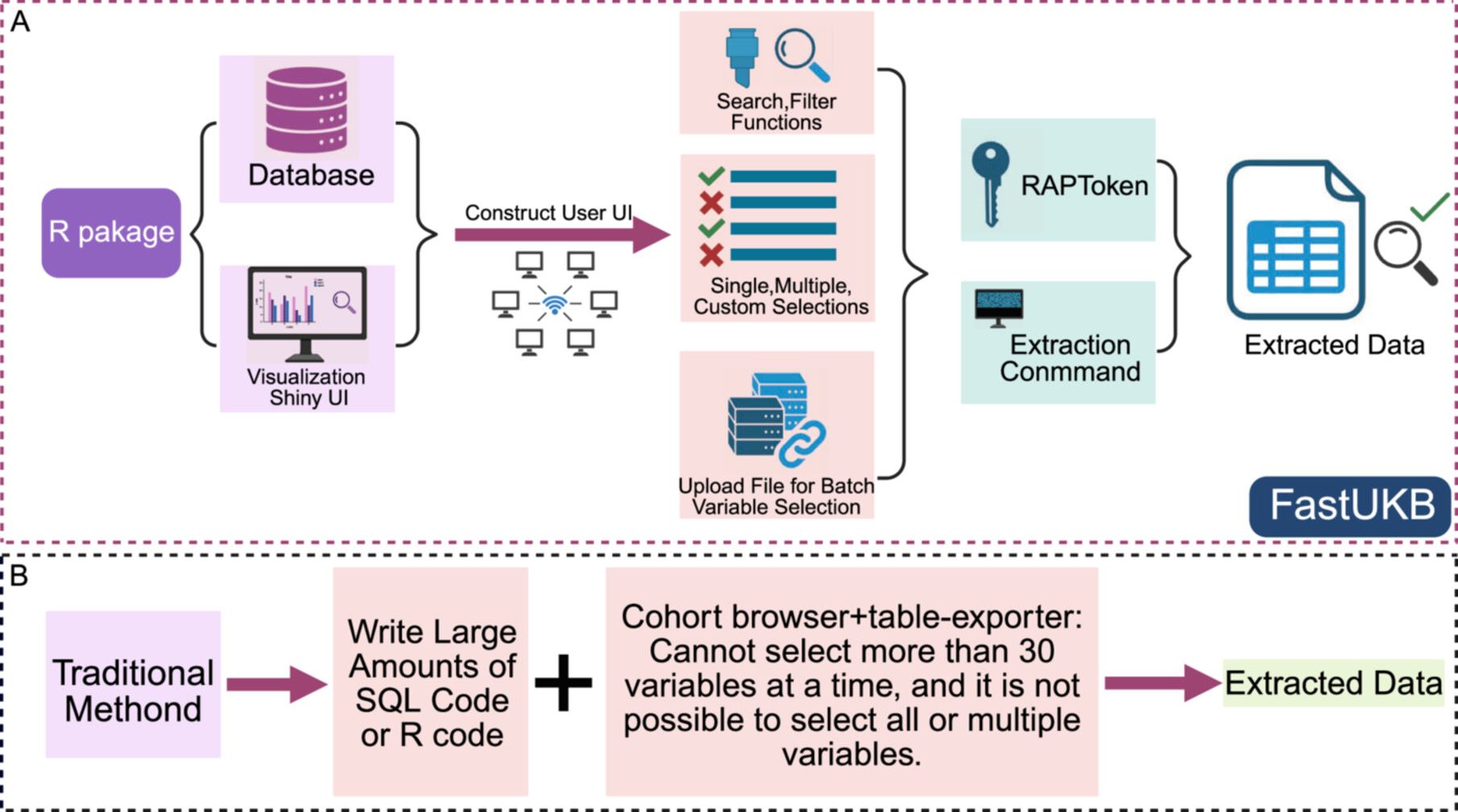
FastUKB revolutionizes UK Biobank (UKB) data extraction through an integrated R package system with a user interface, featuring automated metadata processing, versatile selection modes, and custom file upload capabilities. Unlike traditional methods that rely on complex manual SQL/R coding, FastUKB's direct UKB-Research Analysis Platform connection enables efficient, error-reduced data extraction, significantly streamlining the research workflow.
The Future of Cancer Therapy: Nanomaterials and Tumor Microenvironment
- 14 September 2025
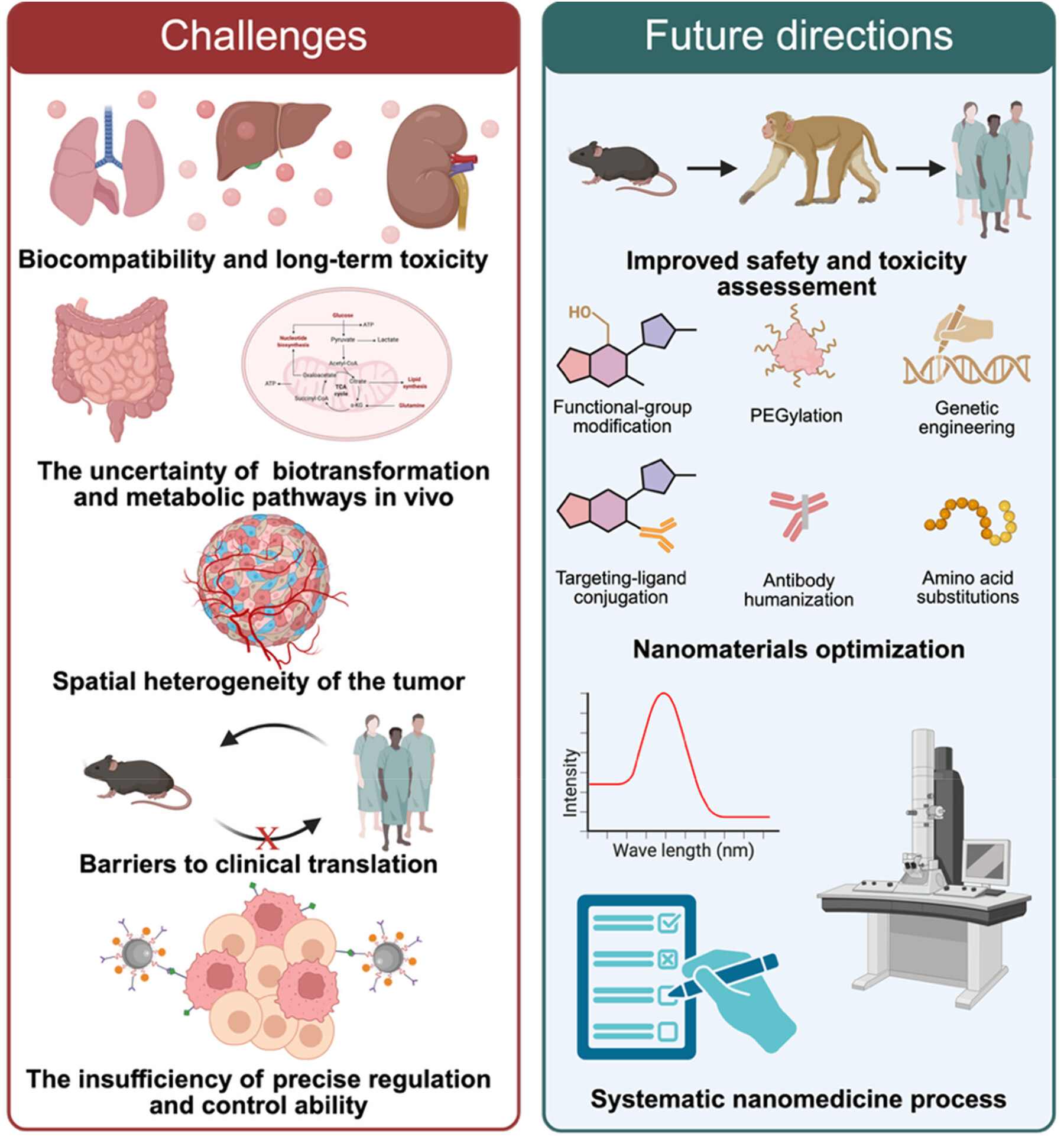
Schematic illustration of the multifaceted challenges and future directions in translating nanomaterials from fundamental research to clinical applications in the biomedical field. Created in BioRender.com.
Tumor Electrophysiology in Precision Tumor Therapy
- 12 August 2025
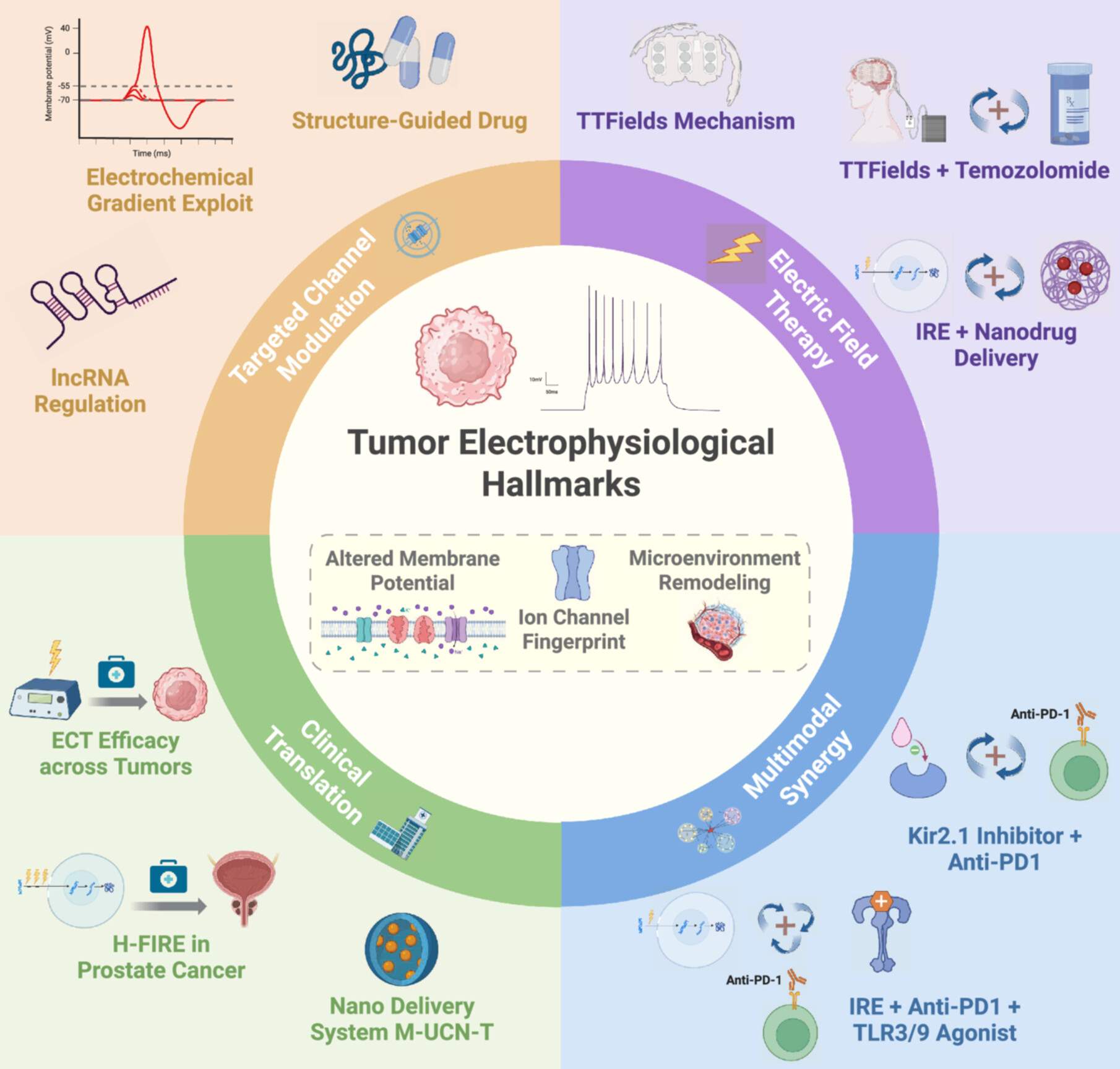
This review highlights tumor electrophysiological hallmarks as therapeutic targets in precision oncology. We examine how membrane potential alterations and ion channel fingerprints drive malignancy, and how targeted intervention—including channel-specific drugs, electric field therapies, and nanodrug delivery systems—can disrupt these processes, particularly when combined with immunomodulation to enhance antitumor responses and overcome treatment resistance.
Unveiling Origin Pitfalls in Metagenomic Surveillance for Emerging Infectious Diseases: Parvoviruses as a Model
- 12 August 2025
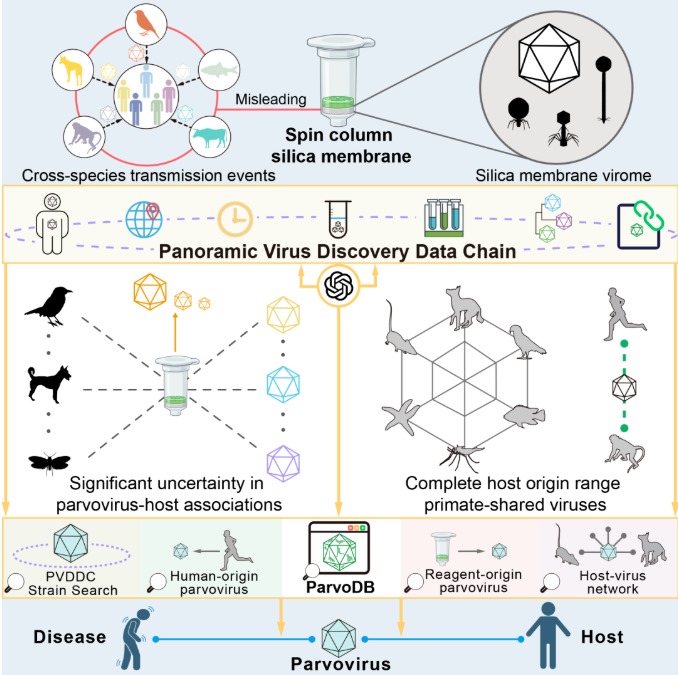
Emerging infectious diseases caused by zoonotic pathogens pose significant threats to human health. Metagenomics-based surveillance is essential for emerging pathogen identification. During clinical surveillance, we identified potential parvovirus-related spillover events from birds and mammals. However, labor-intensive investigations revealed that silica membranes in nucleic acid extraction kits harbor parvoviruses across all three subfamilies. The silica membrane virome uncovered misattributions involving at least 13 viral families, with parvoviruses as the predominant component, complicating global genomic surveillance. Here, we used parvoviruses as a model, utilizing ChatGPT-4o to curate the Panoramic Virus Discovery Data Chain, which documented the comprehensive virus discovery process. This revealed substantial uncertainties in parvovirus-host relationships and identified shared parvoviral species between humans and nonhuman primates. To address these expanding challenges, we developed the Parvovirus Database, enhancing global parvovirus–host–disease associations. This study underscores the methodological pitfalls in metagenomics-based surveillance and establishes a framework for accurate associations among viruses, hosts, and diseases.
FigureYa: A Standardized Visualization Framework for Enhancing Biomedical Data Interpretation and Research Efficiency
- 15 September 2025
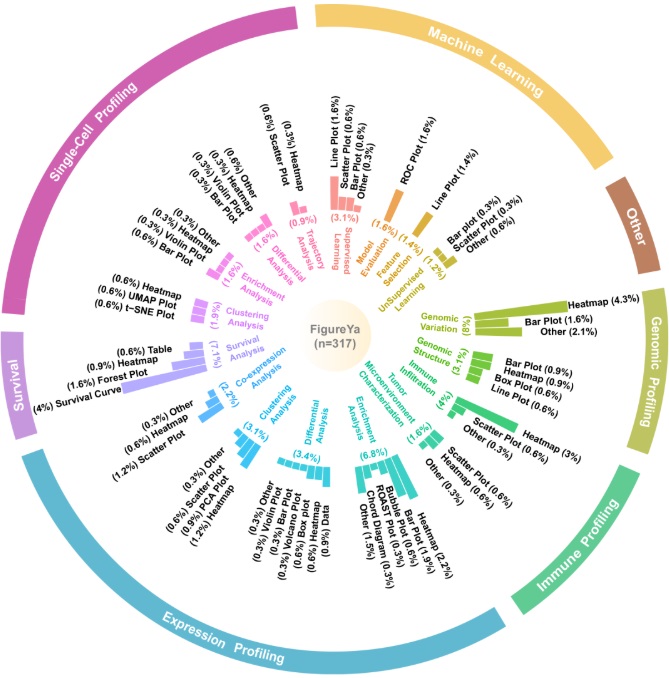
Biomedical research data visualization faces several challenges, including insufficient expertise and fragmented methodologies, which severely limit research efficiency and result quality. FigureYa is a standardized visualization framework composed of 317 modular R/python scripts, rather than a standalone software or desktop application. It covers key domains such as expression profiling, immune analysis, survival analysis, and single-cell data visualization. Based on the concept of “replace data and use,” FigureYa significantly lowers the technical threshold, allowing researchers to generate high-quality charts without requiring an extensive programming background. Compared to generic online R code snippets, FigureYa offers rigorously developed, thoroughly validated, and biologically contextualized visualization modules originally written by the author team. Each script includes version-matched environments, example datasets, and detailed annotations, providing clear advantages in automation, reproducibility, and scientific professionalism, thereby providing a standardized visualization solution for complex biomedical data. This innovative tool optimizes research time allocation, promotes interdisciplinary collaboration, accelerates scientific discovery and clinical translation, and provides robust data visualization support for biomedical research.
Age-Dependent Metabolic Signatures in Mouse Oocytes Revealed by Single-Cell Raman Spectroscopy and High-Resolution Imaging
- 24 September 2025
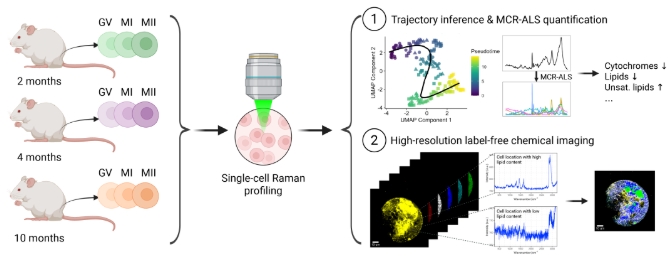
The decline in oocyte quality with maternal age poses significant challenges for fertility and embryonic development. Traditional methods for assessing oocyte quality rely on invasive techniques that limit their applicability. In this study, we present an integrated analytical approach combining single-cell Raman spectroscopy with advanced chemometric analysis to profile age-related metabolic changes in mouse oocytes across developmental stages. Our dual-pronged methodology encompasses: (1) live-cell Raman profiling of oocytes at different maturation stages coupled with trajectory inference analysis and multivariate curve resolution-alternating least squares (MCR-ALS); and (2) high-resolution spatial Raman mapping of metaphase II oocytes. Trajectory inference analysis revealed developmental asynchrony in aged oocytes, where nuclear maturation proceeds normally while metabolic maturation lags behind. MCR-ALS and high-resolution Raman imaging provided quantification and spatial mapping of key biomolecules, including lipids, proteins, and cytochrome c. Particularly striking was the decline in cytochrome c levels in older oocytes, consistent with mitochondrial dysfunction and impaired energy metabolism. This analytical platform establishes a methodological framework for noninvasive metabolic profiling and spatial analysis of single cells with biochemical specificity. This methodology has broader implications for reproductive biology and potential applications in clinical diagnostics and assisted reproductive technologies.
Expert Consensus on the Diagnosis and Treatment of Malignant Mesothelioma of the Tunica Vaginalis Testis
- 13 August 2025
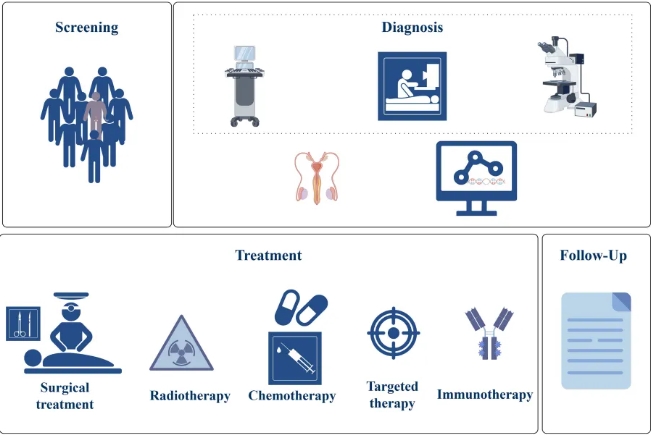
Malignant mesothelioma of the tunica vaginalis testis (MMTVT) is a rare malignancy originating from mesothelial cells of the testicular tunica vaginalis. Due to its insidious onset and local aggressiveness, most patients are diagnosed at an advanced stage. The treatment modalities for MMTVT primarily include surgery, chemotherapy, and radiotherapy. With the advent of immunotherapy, patient survival has further improved. To standardize and homogenize the diagnosis and treatment of MMTVT in China, the Chinese Alliance of Research for Mesothelioma, combining existing research evidence and nationwide expert opinions, has formulated a national expert consensus on the clinical diagnosis and treatment of MMTVT. This consensus encompasses epidemiology, diagnosis, treatment, prognosis, and follow-up.
Adverse Event Profiles Following Human Papillomavirus Vaccination in Males
- 10 September 2025
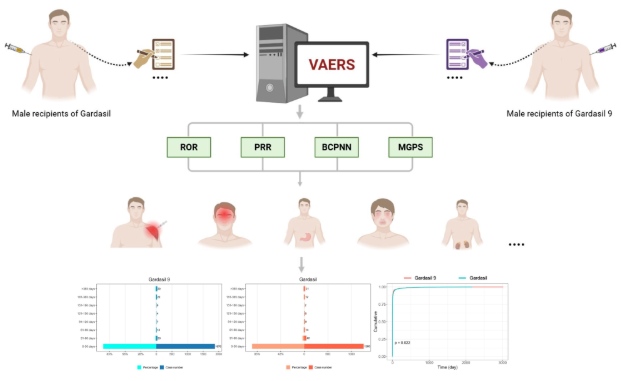
Human papillomavirus (HPV) vaccination is increasingly recognized as a cornerstone of comprehensive strategies to mitigate HPV-related disease burden globally, with expanding recommendations for male populations to enhance herd immunity and reduce transmission. However, the safety profile among male recipients of HPV vaccination remains a critical evidence gap. Adverse events following immunization (AEFIs) reported by male recipients of either Gardasil 9 or Gardasil were included from the US Vaccine Adverse Event Reporting System database. Four disproportionality algorithms were employed to identify positive signals. The temporal distribution of AEFIs was further examined to support Weibull distribution modelling and to estimate cumulative incidence patterns associated with each vaccine. Furthermore, stratified analyses should be performed by age and outcomes. Disproportionality analysis identified 35 positive signals for Gardasil 9, including 20 previously unreported, and 56 for Gardasil, of which 32 were novel. Most AEFI reports occurred within 30 days post-vaccination. The cumulative incidence of AEFIs was lower with Gardasil 9 than with Gardasil. This study presents the first systematic safety evaluation of Gardasil 9 and Gardasil in male recipients, addressing a key evidence gap. Gardasil 9 showed a potentially more favorable safety profile than Gardasil. These findings may strengthen confidence among the public and providers, inform clinical and policy decisions, and support global immunization efforts. Identified positive AEFIs warrant prospective validation to determine their clinical significance.