Alterations and mechanistic insights of gut microbiota and its metabolites in type 2 diabetes mellitus and Alzheimer's disease
- 11 May 2025
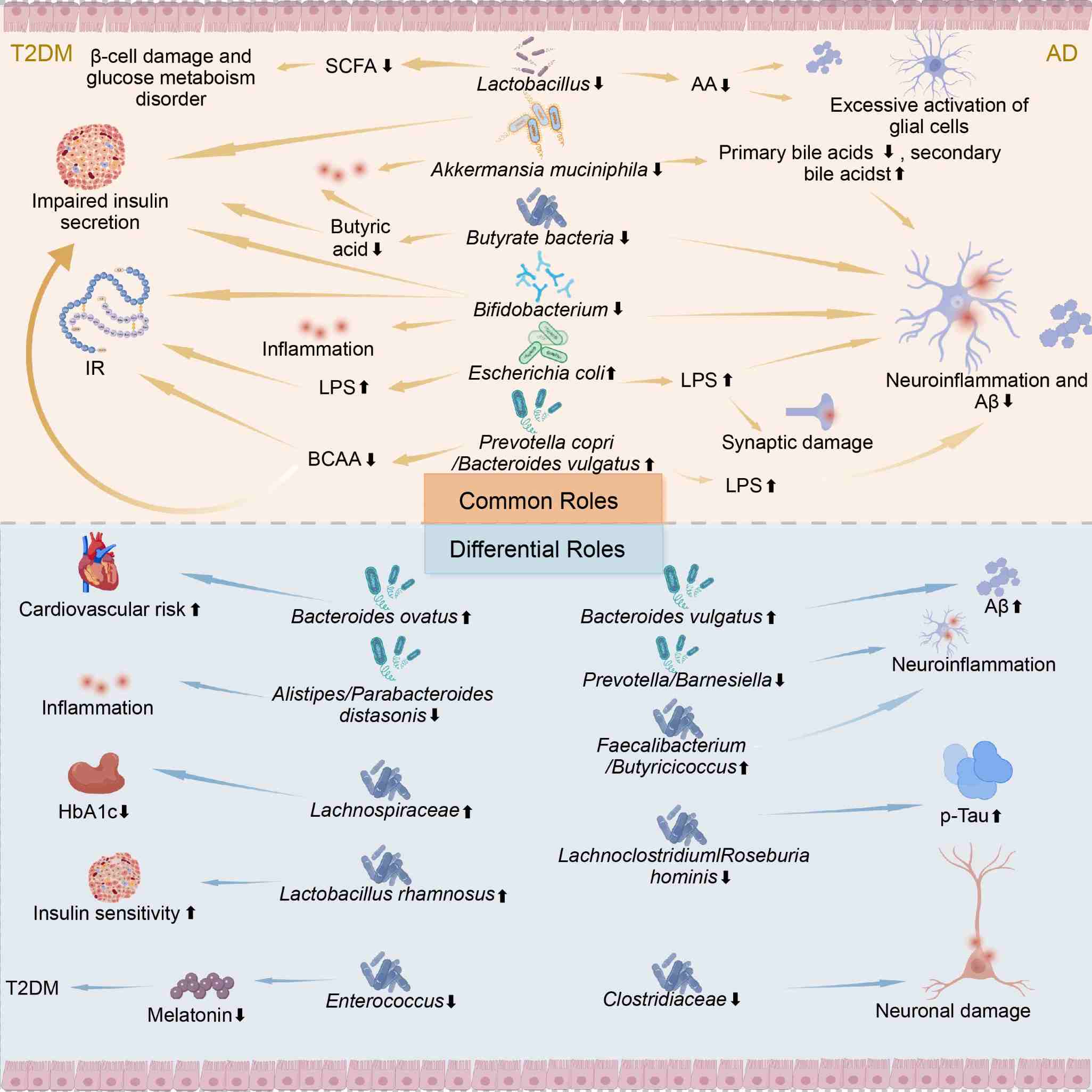
This narrative review uniquely addresses how gut microbiota-derived metabolites mediate overlapping pathologies of insulin resistance, neuroinflammation, and amyloidogenesis in type 2 diabetes mellitus (T2DM) and Alzheimer's disease (AD), proposing a framework for dual therapeutic targeting. This study indicates that the key bacteria, such as Akkermansia muciniphila (which releases outer membrane vesicles), Lactobacillus, and Bifidobacterium, as well as their metabolites like short-chain fatty acids (SCFAs), bile acids (BAs), lipopolysaccharide (LPS), and Trimethylamine N-oxide (TMAO) regulate T2DM and AD through complex mechanisms. These include Toll-like receptor 4 (TLR4)/activated B cells (NF-κB)-driven neuroinflammation, phosphoinositide 3-kinase (PI3K)/protein kinase B (Akt)-mediated insulin resistance, and microbial amyloid cross-seeding, which collectively bridge the two diseases. Multiple signaling pathways, such as G-protein coupled receptor 41/43 (GPR41/43), PI3K/Akt, TLR4/NF-κB, and endoplasmic reticulum (ER) stress-mediated pathways, are critically involved in these processes.
Raman flow cytometry based single-cell species classification, viable-cell counting and vitality test for probiotic products
- 19 May 2025

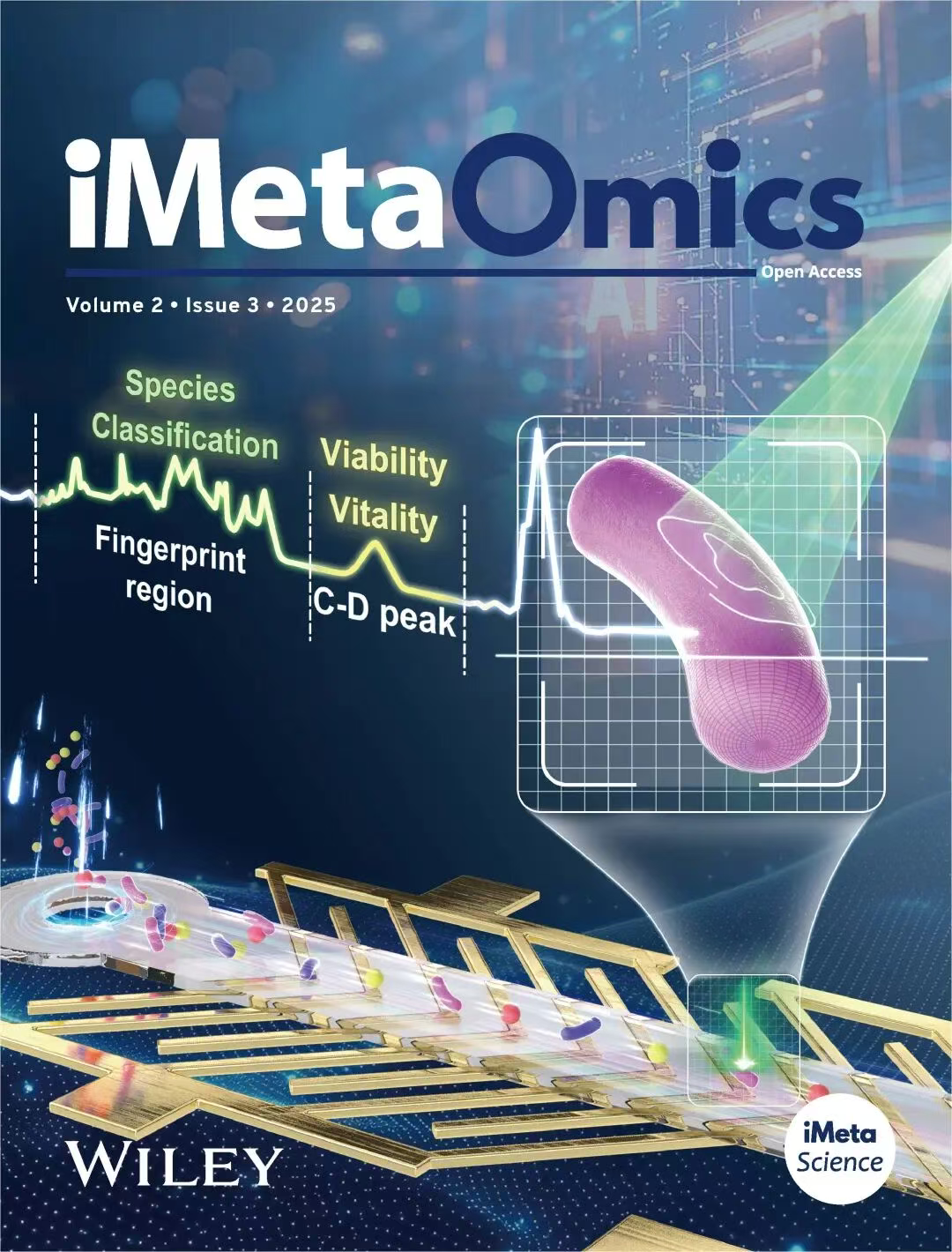
Raman flow cytometry (RFC) enables rapid, high-throughput quality assessment of probiotic products by classifying species/strains, counting viable cells, and quantifying vitality at single-cell resolution. With 10-fold higher throughput and excellent accuracy, RFC outperforms traditional methods and offers a label-free, automated platform for probiotic quality control.
Haplotype-resolved genome and pan-genome graphs reveal the impacts of structural variation on functional genome and feather colors in chickens
- 24 May 2025
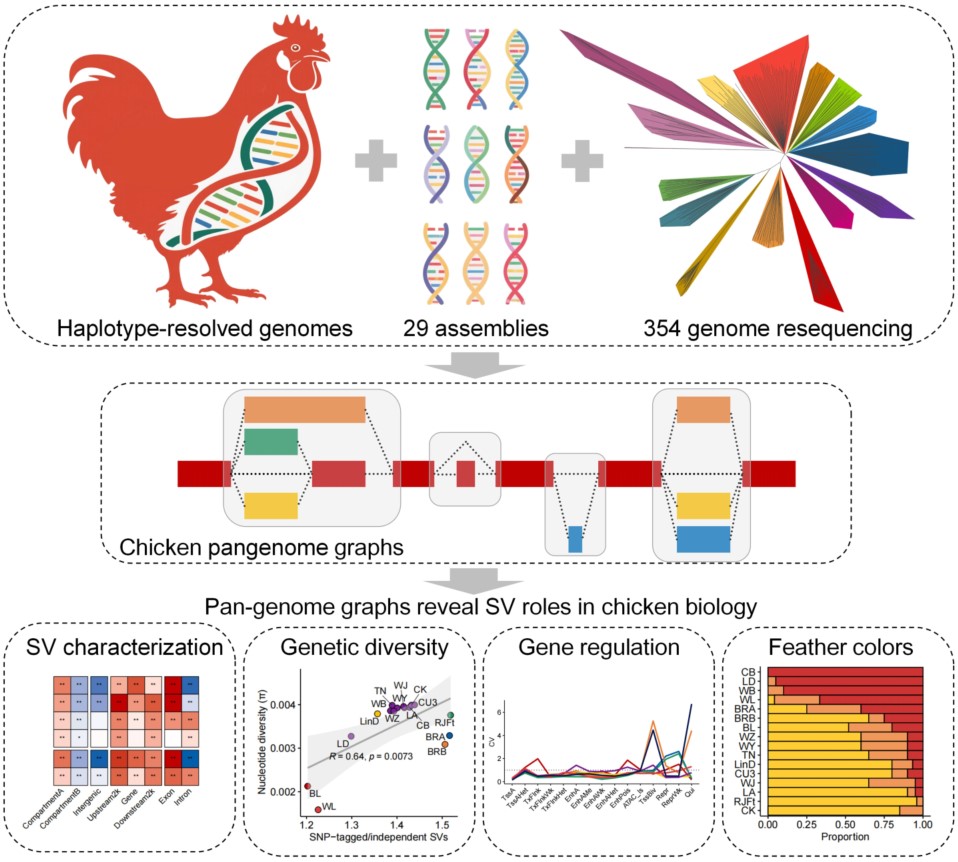
This study built a Wenchang chicken haplotype genome and integrated it with 29 others to create a chicken pangenome atlas. Analysis of 354 chickens revealed 185,205 structural variations (SVs), with one-third derived from homology-based and transposable elements. We found 1728 SVs linked to traits, including an EEF1A2 insertion affecting egg-laying rates and a VNTR-mediated SV influencing white feathers. These findings advance chicken genetics research and demonstrate SVs' importance in genomics.
Effects of SADS-CoV accessory proteins NS3a, NS7a, and NS7b on viral pathogenicity: A multi-omics investigation
- 06 April 2025
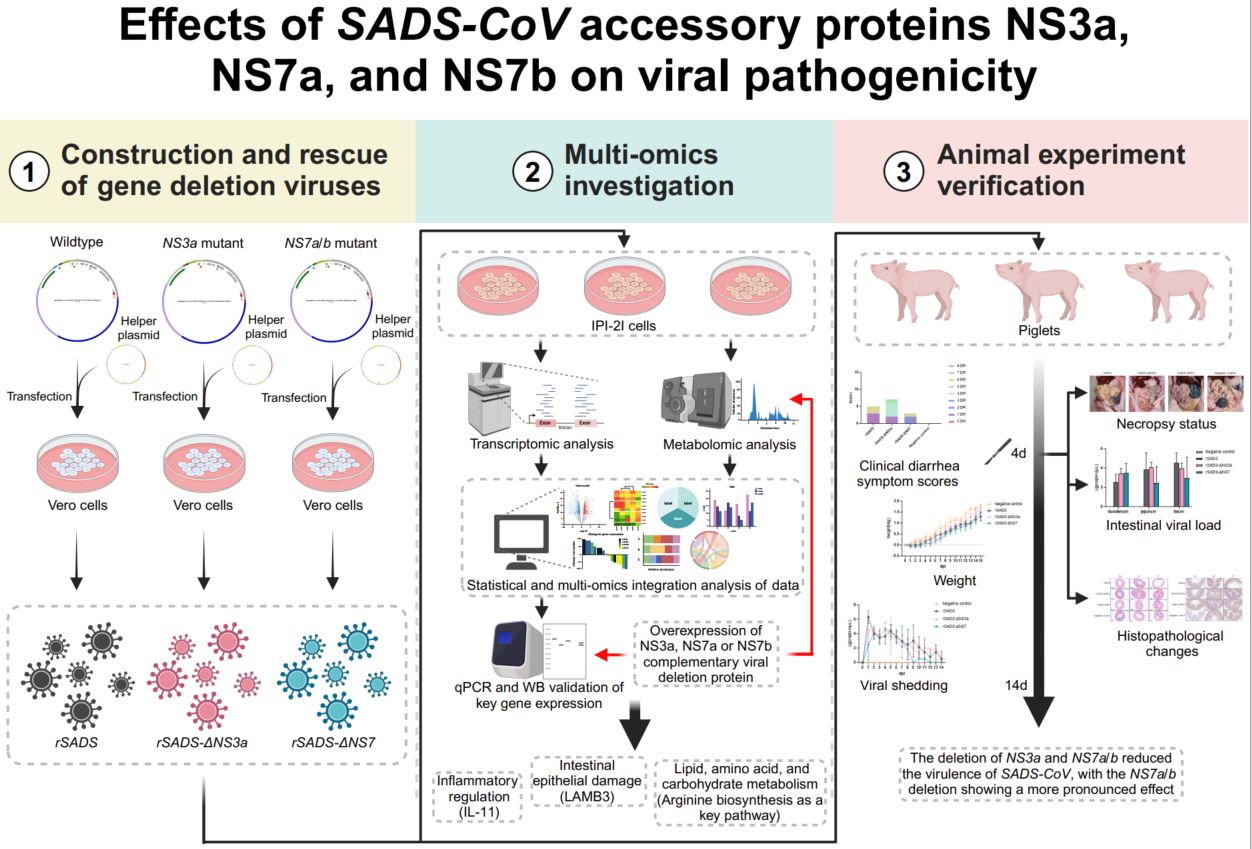
This study has elucidated the role of three swine acute diarrhea syndrome coronavirus (SADS-CoV) accessory proteins in influencing viral pathogenicity and preliminarily explored the host molecular targets and pathways affected by the NS3a, NS7a, and NS7b proteins of SADS-CoV. Our findings suggest that SADS-CoV accessory proteins may modulate viral pathogenicity by affecting host metabolic pathways and immunity.
Microbiota humanization drives human-like metabolic and immune transcriptomic shifts in pigs
- 02 July 2025

Pigs are increasingly recognized as promising candidates for clinical xenotransplantation and as large-animal models for biomedical research; however, interspecies differences in gut microbiota, immune function, and metabolism remain major barriers. To address this, we established gut microbiota-humanized (GMH) pigs by transplanting human fecal microbiota into antibiotic-treated pigs. We systemically evaluated alterations in microbiota composition, serum metabolites, and immune cell profiles using integrated metagenomic, quasi-targeted metabolomic and single-cell transcriptomic (scRNA-seq) analyses. Metagenomic profiling revealed a shift in the intestinal microbiota of GMH pigs toward a human-like composition, characterized by enrichment of Bacteroidia and depletion of Bacilli. Metabolomic analysis showed that GMH pigs exhibited serum metabolite profiles more closely resembling those of humans. Among 423 detected serum metabolites, 136 that were lower in control pigs than in humans were upregulated in GMH pigs, whereas 79 that were elevated in control pigs decreased post-transplantation. Notably, pathways related to tryptophan metabolism, bile acid biosynthesis, and fatty acid metabolism were enhanced in GMT pigs, while carbon-related and glycolytic pathways were attenuated, indicating partial convergence toward human metabolic phenotype. Integration of microbial and metabolite data identified 20 and 33 metabolites associated with Bacteroidia and Bacilli, respectively. scRNA-seq profiling of peripheral blood mononuclear cells demonstrated transcriptional and compositional remodeling of T cells, monocytes, and B cell subsets in GMH pigs. These findings demonstrated that human fecal microbiota can reshape both systemic metabolic and immune artitecture in pigs, offering a robust large-animal platform for studying host-microbiota interactions and advancing translational application in xenotransplantation and microbiome-based therapeutics.
Multi-omics analysis of gut-organ axes reveals the high-altitude adaptation in Tibetan chicken
- 29 June 2025
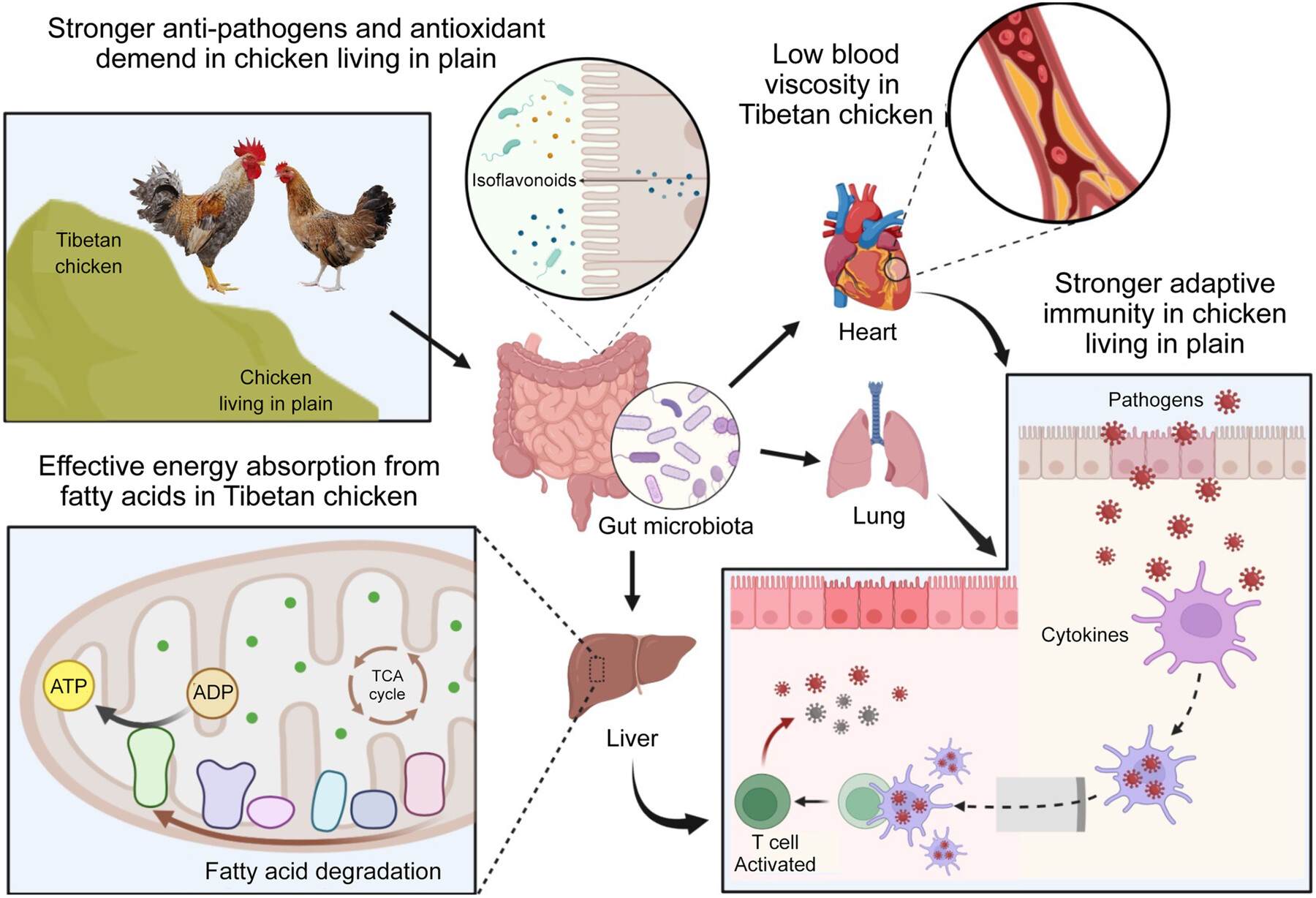
The Qinghai-Tibet Plateau is an extreme ecosystem subject to special climatic conditions that require unique adaptations for its inhabiting organisms. In addition to genetic characteristics, the gut microbiota of animals can regulate the environmental adaptation of their hosts through various gut–organ axes. We performed a multi-omics analysis on six Chinese chicken populations: one high-altitude Tibetan chicken population, one transitional Tibetan chicken population relocated from high to low altitude, and four low-altitude populations. We found that the Tibetan chicken population under the plateau environment indicated a more complex and stochastically dominated gut microbiota with higher functional redundancy. Furthermore, Tibetan chickens had a more effective fatty acid degradation capacity, corresponding to the hypoxic environment. In contrast, chickens living in lowland environments showed stronger immune system responses against health threats, mainly regulated by the phylum Firmicutes. Thus, our findings clarify their adaptation strategies to environmental changes via microbiota-driven gut–organ axes.
A reciprocal interaction between L-lysine and Holdemanella biformis modulates intestinal barrier function and anxiety in irritable bowel syndrome
- 06 August 2025
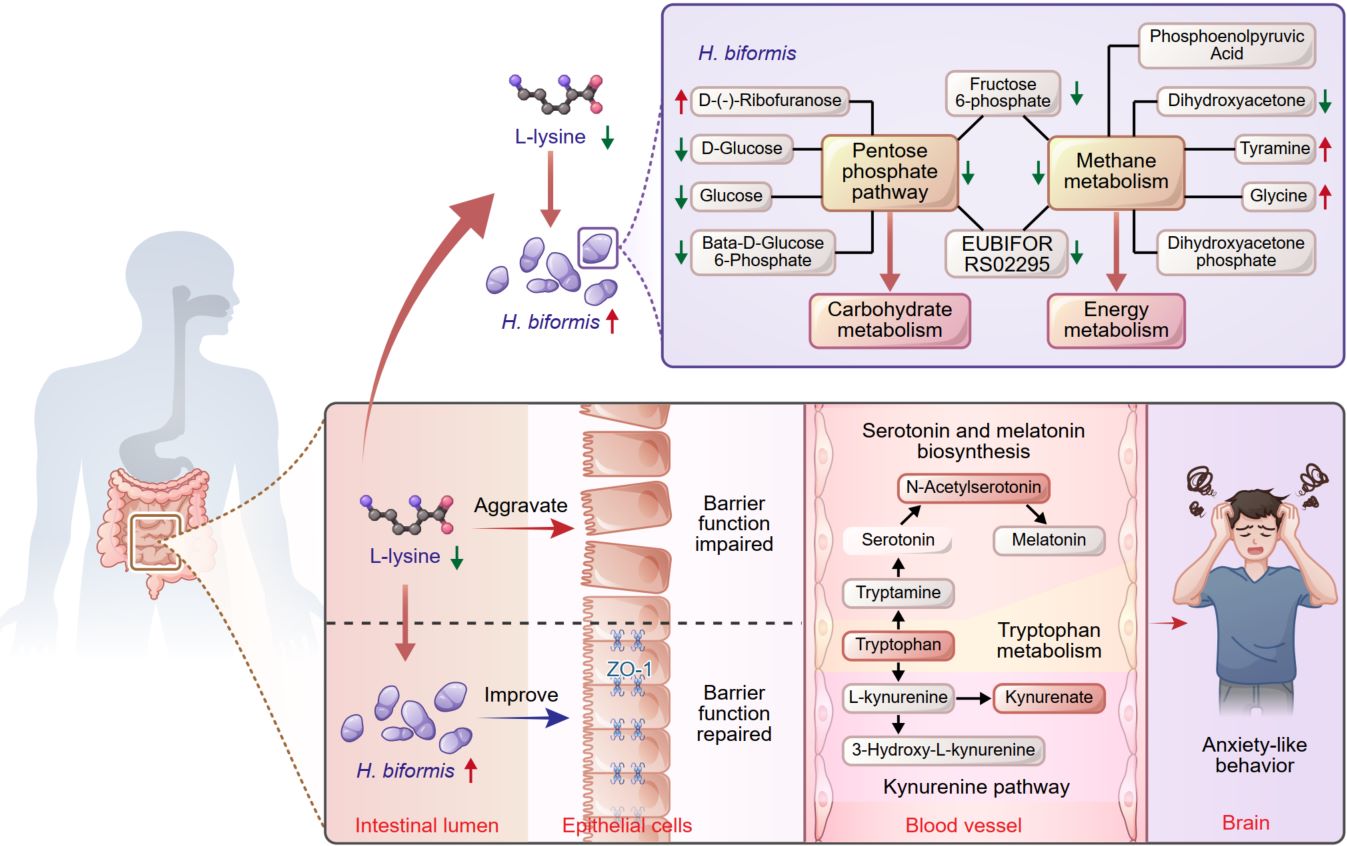
Irritable bowel syndrome (IBS) is a prevalent stress-associated disorder characterised by gut barrier dysfunction and gut-brain axis disturbances. However, the interplay between host metabolites and gut microbes in IBS pathogenesis remains incompletely understood. Here, through integrated microbiome and metabolome profiling of faecal sample from seafarers before and after long-term voyages, we identify a reciprocal interaction between the essential amino acid l-lysine and the gut bacterium Holdemanella biformis (H. biformis). l-lysine was depleted in individuals with voyage-induced IBS, whereas H. biformis abundance increased concurrently. In a mouse model of diarrhoea-predominant IBS, l-lysine supplementation restored intestinal barrier integrity, reduced visceral hypersensitivity, and alleviated anxiety-like behaviours through modulation of tryptophan metabolism. In contrast, oral administration of H. biformis improved tight junction protein expression but paradoxically worsened anxiety-like phenotypes. In vitro, both l-lysine and H. biformis supernatant promoted epithelial wound healing and ZO-1 expression. Mechanistically, H. biformis degrades l-lysine via lysine degradation pathway, while l-lysine suppresses H. biformis growth possibly by downregulating pathways involved in carbohydrate and energy metabolism. These findings reveal a stress-sensitive, bidirectional metabolic loop in between l-lysine and H. biformis, with complementary but opposing effects on gut and neurological function. Targeting this axis may offer new strategies for IBS and other gut-brain axis disorders.
A portable device for probiotic counting and viability assessment based on microfluidic chip and image recognition
- 03 August 2025
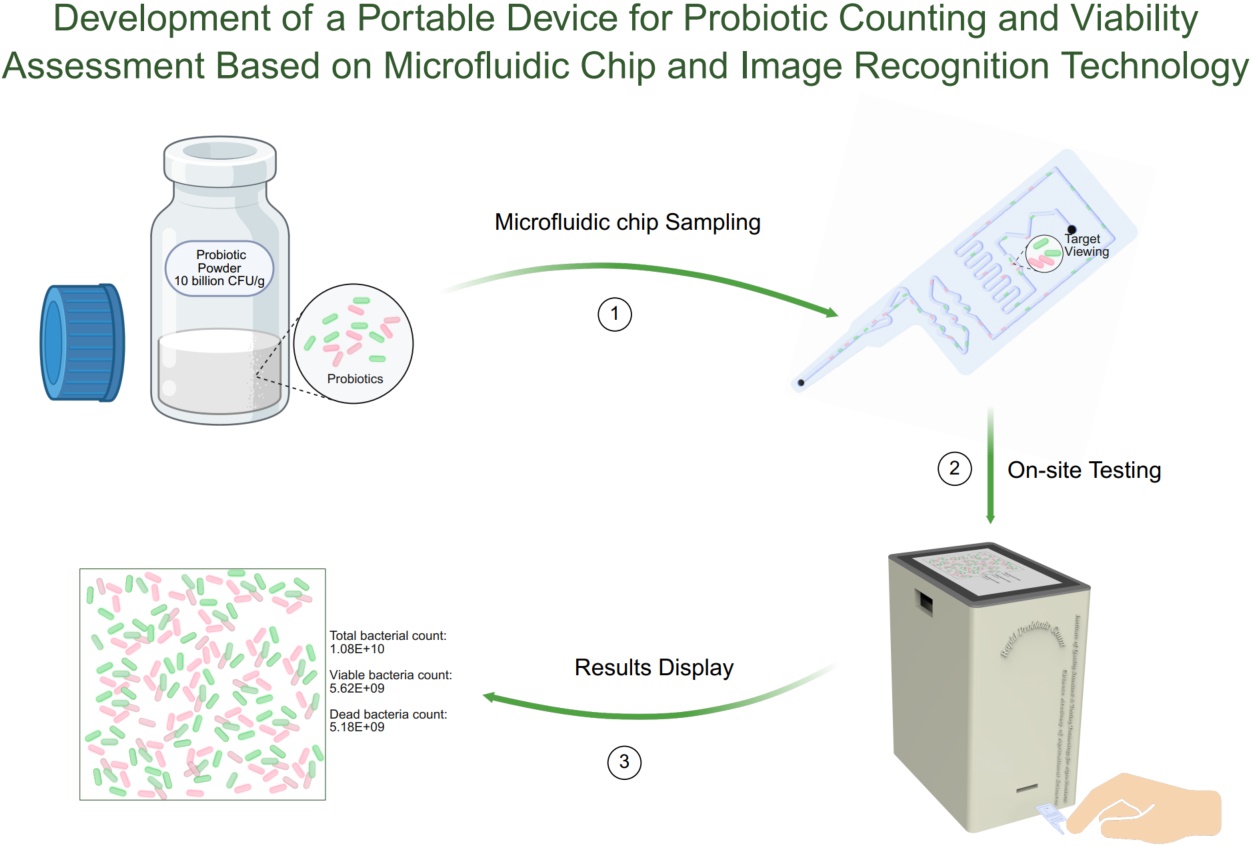
A portable, low-cost system enables rapid (3 min), on-site quantification of viable probiotics using a microfluidic chip with a fluorescent biosensor and image recognition. It distinguishes live/dead cells with high specificity and a broad range (10⁷–10¹¹ colony-forming units (CFU) mL−1), offering accurate, real-time results for practical applications.
The impact of asymmetrical gene expression on the development of spike morphology in Triticum aestivum
- 27 August 2025
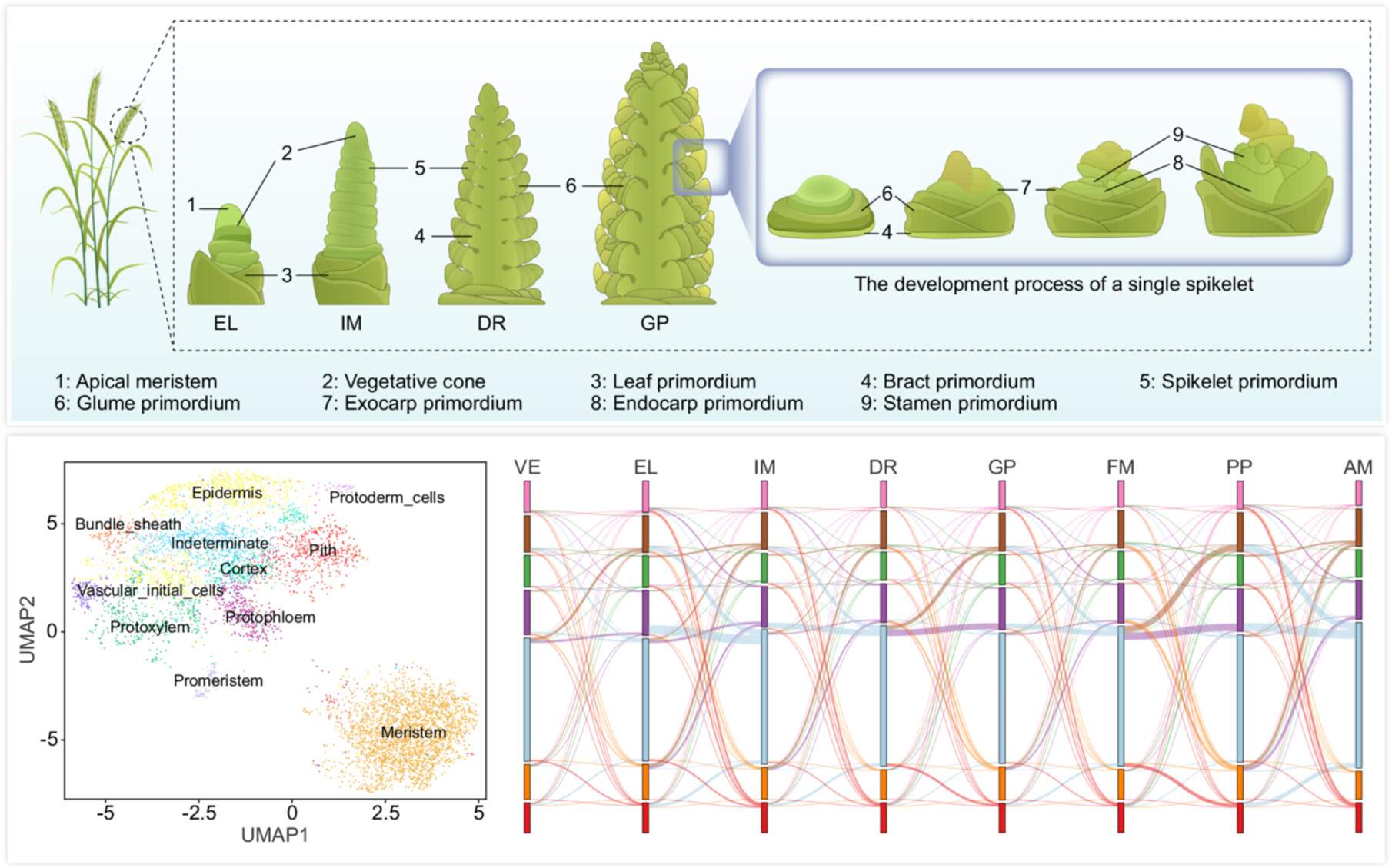
How matrine influences gut microbiota imbalance to prevent the progression of diabetes remains unclear. We conduct experiments using mice to simulate the stages of diabetes development and matrine intervention. Combined with amplicon sequencing, we find that the gut microbiota of diabetic mice continuously changes with the progression of the disease. Furthermore, differences in microbial community composition and function can distinguish the matrine intervention group from other groups. Muribaculum is generally enriched in the intervention group, while Lachnospiraceae_incertae_sedis is predominantly enriched in the diabetes group. These microbes may become new targets for diabetes intervention, providing new insights into diabetes treatment.
Lactobacillus johnsonii-FM1 modulates gut microbiota and secretes anticancer metabolite vanillic acid to inhibit colorectal tumorigenesis
- 03 September 2025
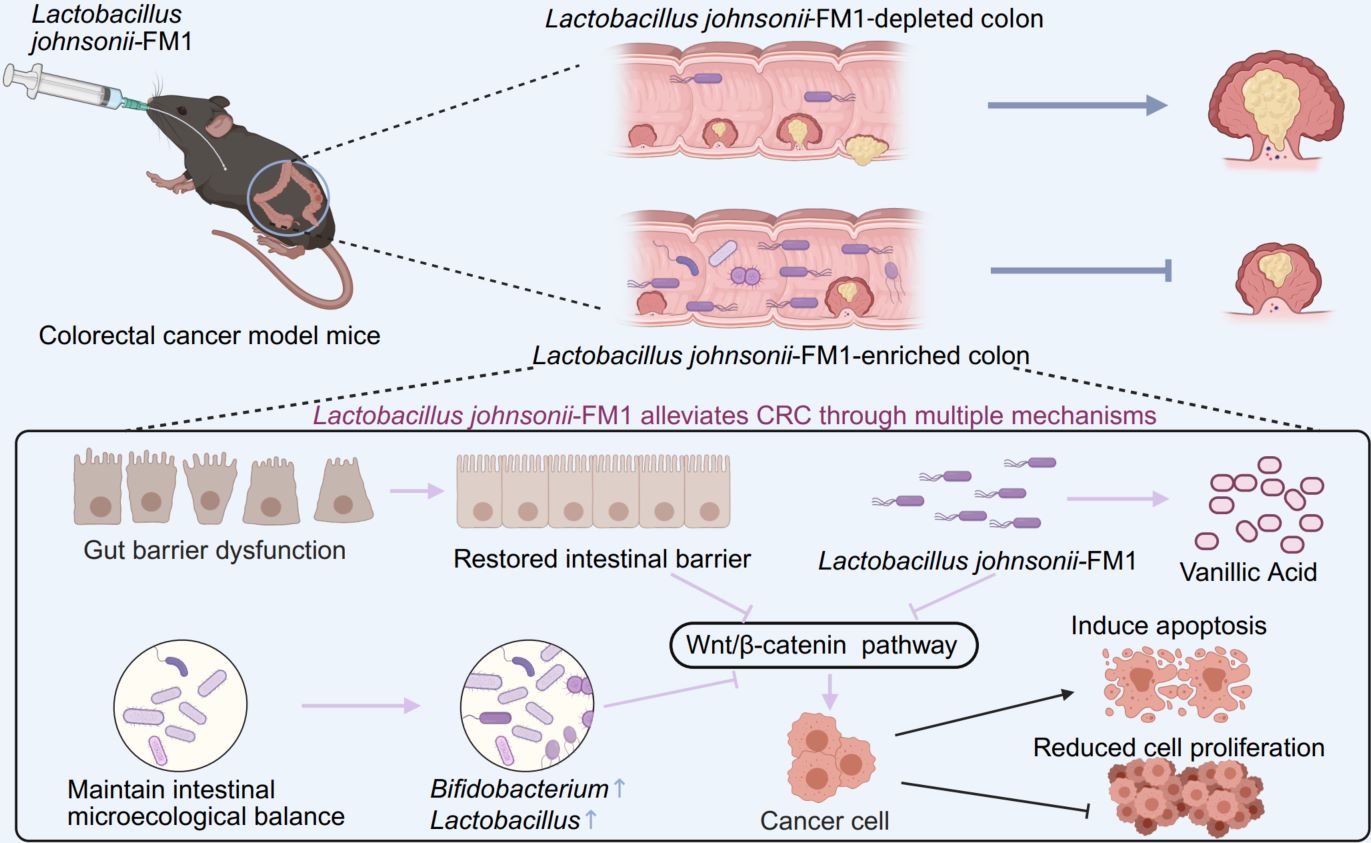
Lactobacillus johnsonii-FM1 alleviates colorectal tumorigenesis in both ApcMin/+ and azoxymethane/dextran sulfate sodium mouse models by enriching beneficial gut microbiota, restoring epithelial barrier integrity, suppressing cancer cell proliferation, and promoting apoptosis. Additionally, it produces the antitumor metabolite vanillic acid. Mechanistically, these effects are primarily mediated through inhibition of aberrant activation of the Wnt/β-catenin signaling pathway.
The impact of a high-fat diet on liver health in pregnant mice and their offspring: The role of the gut-liver axis
- 03 June 2025
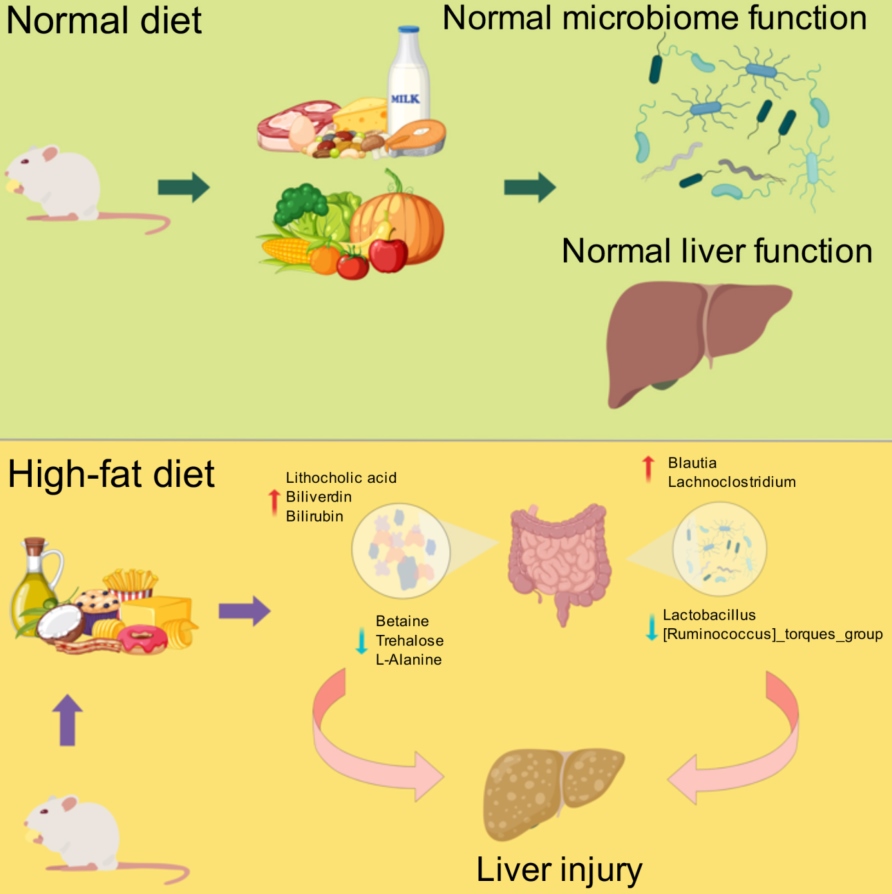
The study investigated the longitudinal effects of normal and high-fat diet, showing their differential effects on gut microbiota diversity and gut metabolites, with the latter having a significant impact on increasing liver inflammation and gut microbiota and metabolites disruption.
Longitudinal profiling of the human gut microbiome reveals temporal and personalized responses to inulin
- 15 June 2025
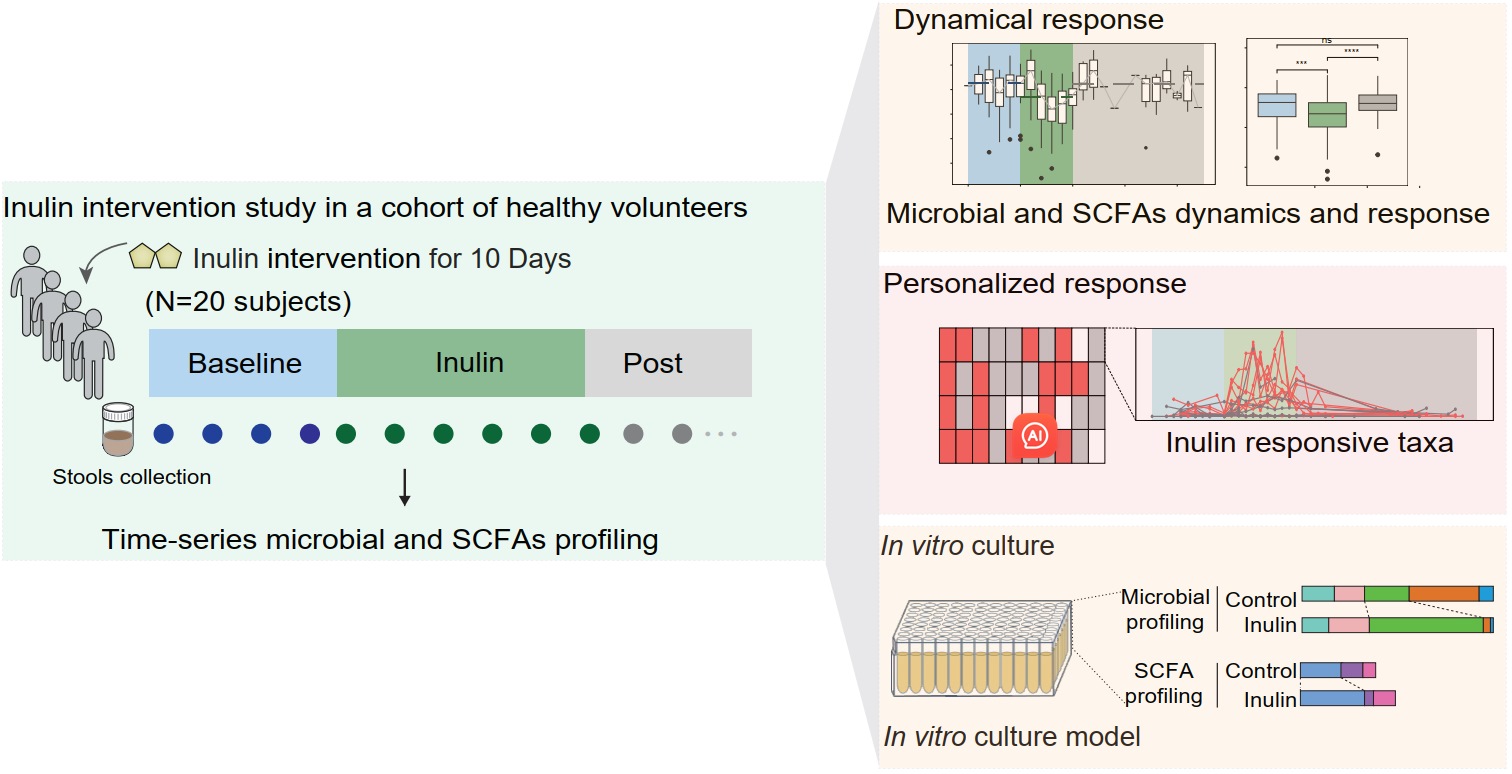
This study monitored gut microbiome changes in healthy volunteers following inulin intervention, revealing dynamic and highly individualized shifts in microbial composition and short-chain fatty acid production. Using in vitro batch cultures, correlation analysis, and predictive modeling, we explored the personalized microbiome response. Our findings highlight the individualized response of the gut microbiome to prebiotics and the need for precision nutrition.