Beyond “you are what you eat”: Unlocking gut microbiota-mediated biotransformation of dietary phytochemicals
- 05 April 2026
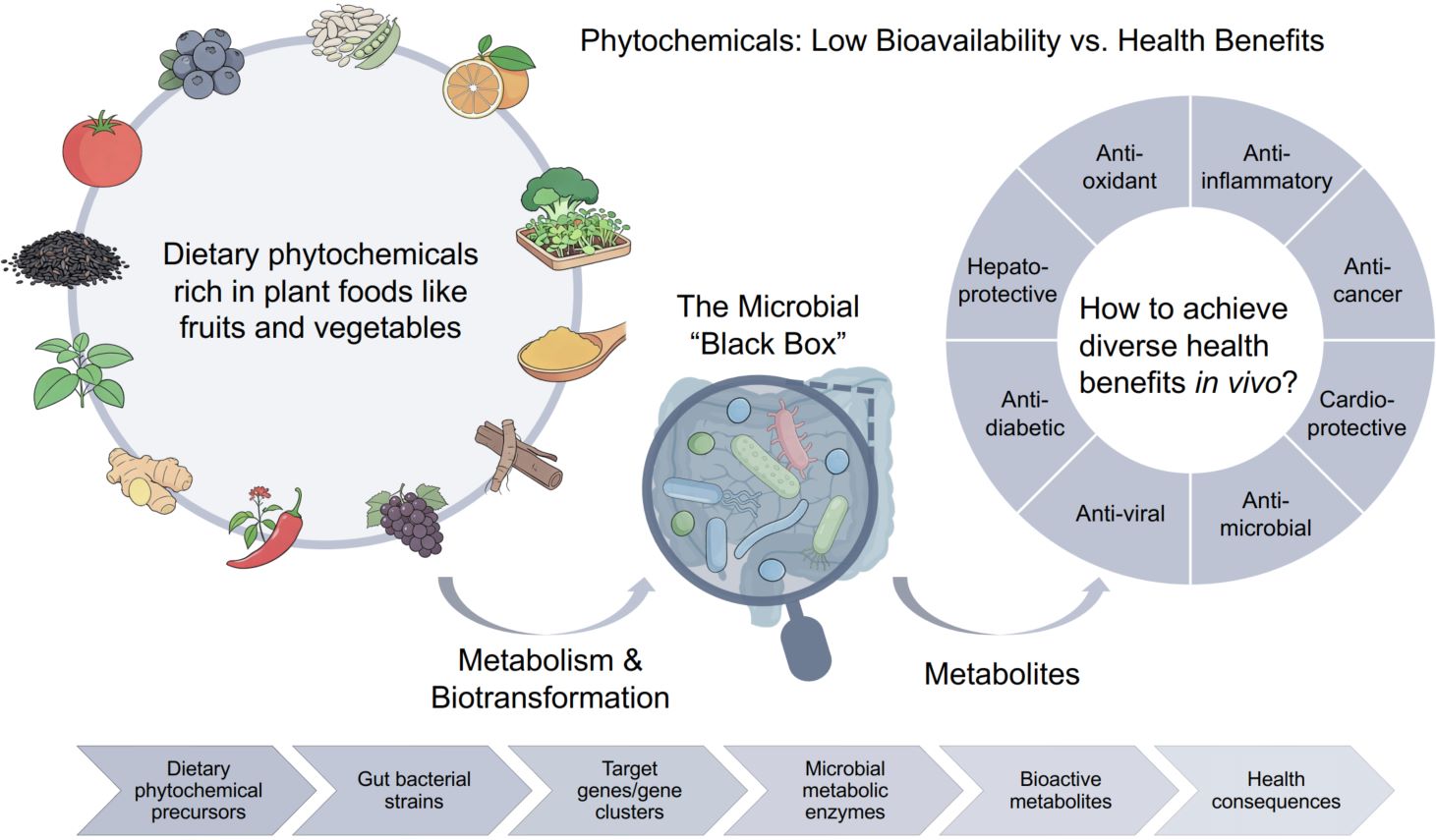
The “efficacy paradox” of phytochemicals, low bioavailability yet significant health benefits, is associated with gut microbiota, which biotransforms dietary precursors into bioactive metabolites, enabling systemic effects. Thus, health outcomes of diet depend not just on intake “the rainbow”, but on gut microbial metabolism, redefining “you are what you eat” to “you are what your microbes make of what you eat”.
Arbuscular mycorrhizal fungal community abundance, functions, and symbiotic interactions revealed by root metatranscriptomes
- 21 February 2026
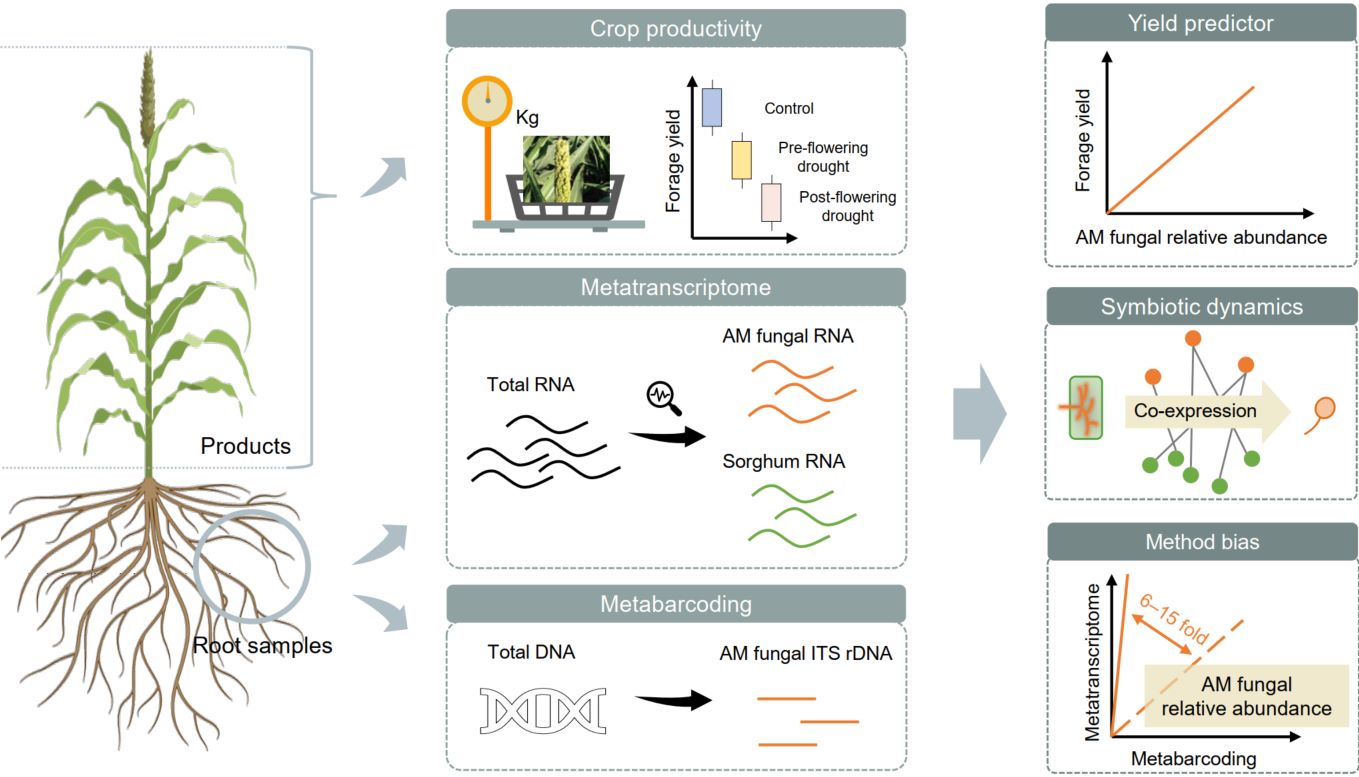
Paradigm shift: PCR-free methods reveal 6–15-fold higher arbuscular mycorrhizal (AM) fungal abundance than metabarcoding, exposing systematic underestimation across decades of research. Predictive power: AM fungal abundance serves as a community-level trait that predicts crop yield under drought conditions. Symbiotic dynamics: Symbiotic life history from arbuscule formation to sporulation is governed by coupled and decoupled co-expression of plant and AM fungal genes.
Ginseng polysaccharides prevent mastitis through Lactobacillus murinus-derived deoxycholic acid and TGR5 signaling
- 03 March 2026
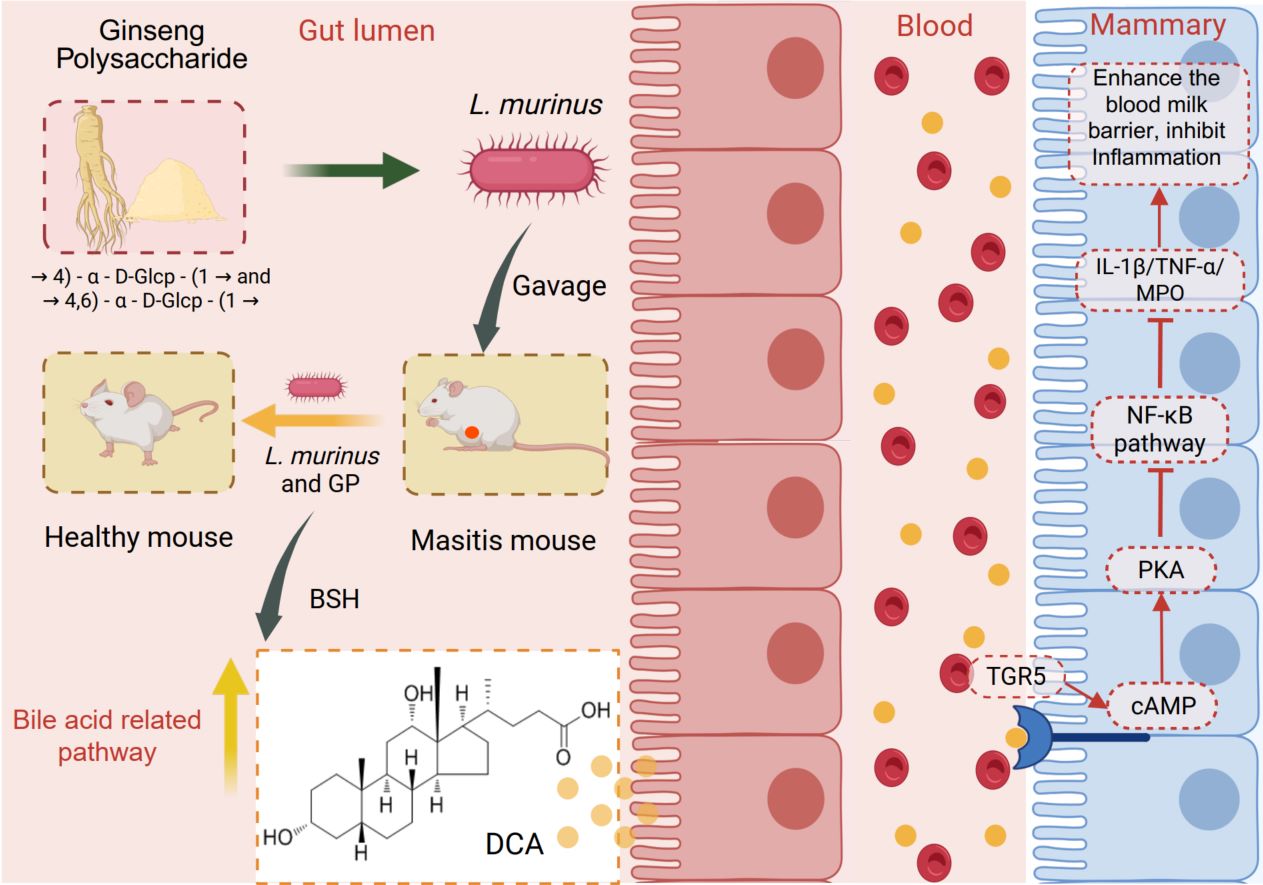
Prebiotic Ginseng polysaccharides (GP) alleviate mastitis through selective enrichment of gut L. murinus, which elevates its anti-inflammatory metabolite deoxycholic acid (DCA). Circulating DCA engages mammary epithelial TGR5 receptors, triggering the cAMP–PKA pathway to suppress NF-κB/NLRP3-mediated inflammation. The synergistic action of GP and L. murinus underscores the translational promise of this synbiotic strategy. Targeting the gut–mammary axis—specifically the identified microbial (L. murinus) and metabolic circuits—offers a compelling, non-antibiotic approach for mastitis prevention and therapy.
Functionally complementary bacterial inoculant coordinates arbuscular mycorrhizal fungi to improve Angelica sinensis root yield and quality
- 14 March 2026
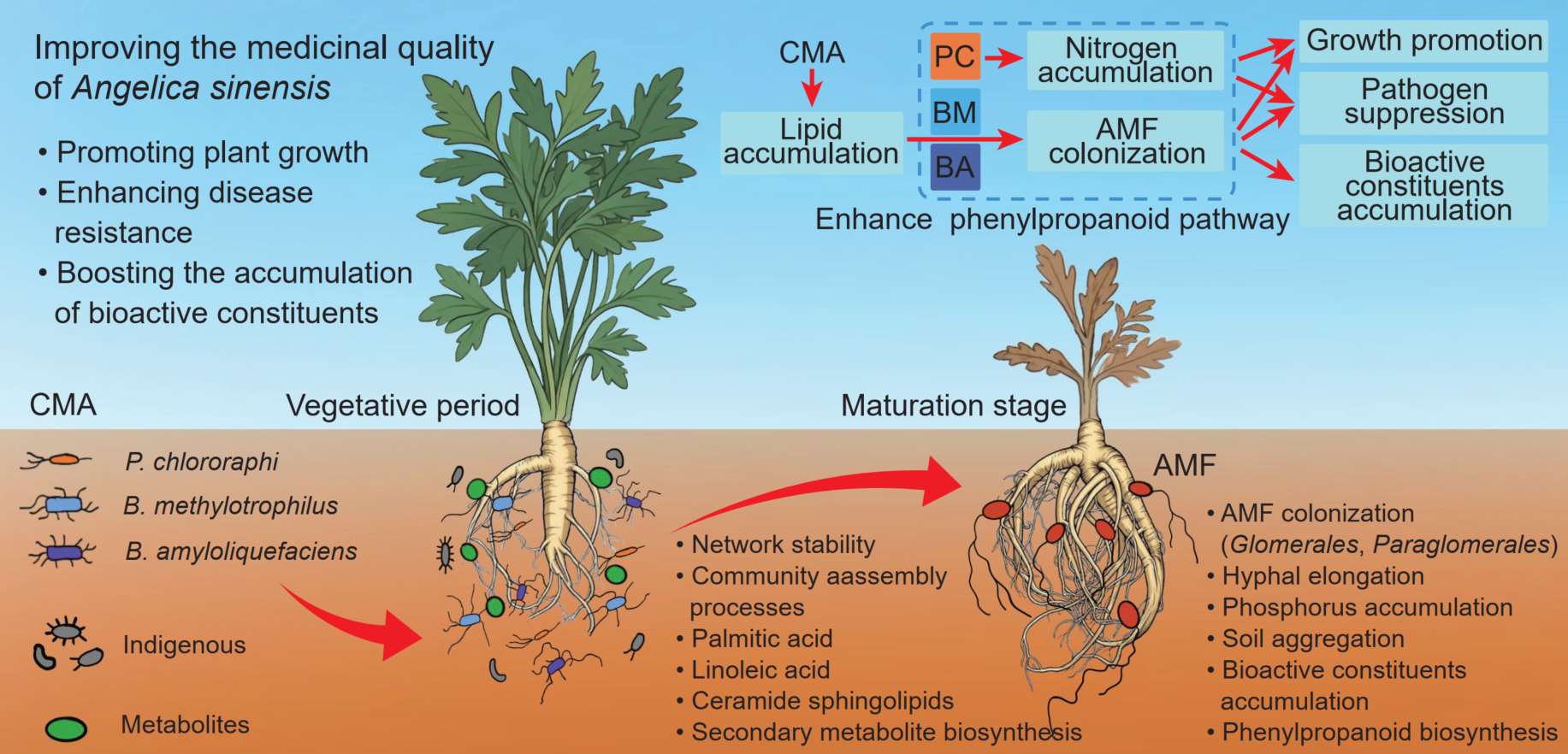
Comprehensive understanding of how diverse PGPR strains enhance the rhizosphere microenvironment remains a considerable challenge. Here, we provide experimental evidence that a functionally synergistic composite microbial formulation can markedly enhance growth performance and improve the quality attributes in Angelica sinensis. Our findings present a practical strategy for simultaneously controlling soil-borne diseases and boosting the medicinal value of root- and rhizome-based medicinal plants.
Engineered Bacillus subtilis regulates intestinal barrier in ETEC K88-infected piglets and modulates miR-1250-5p/NFκB pathway in IPEC-J2
- 11 May 2026
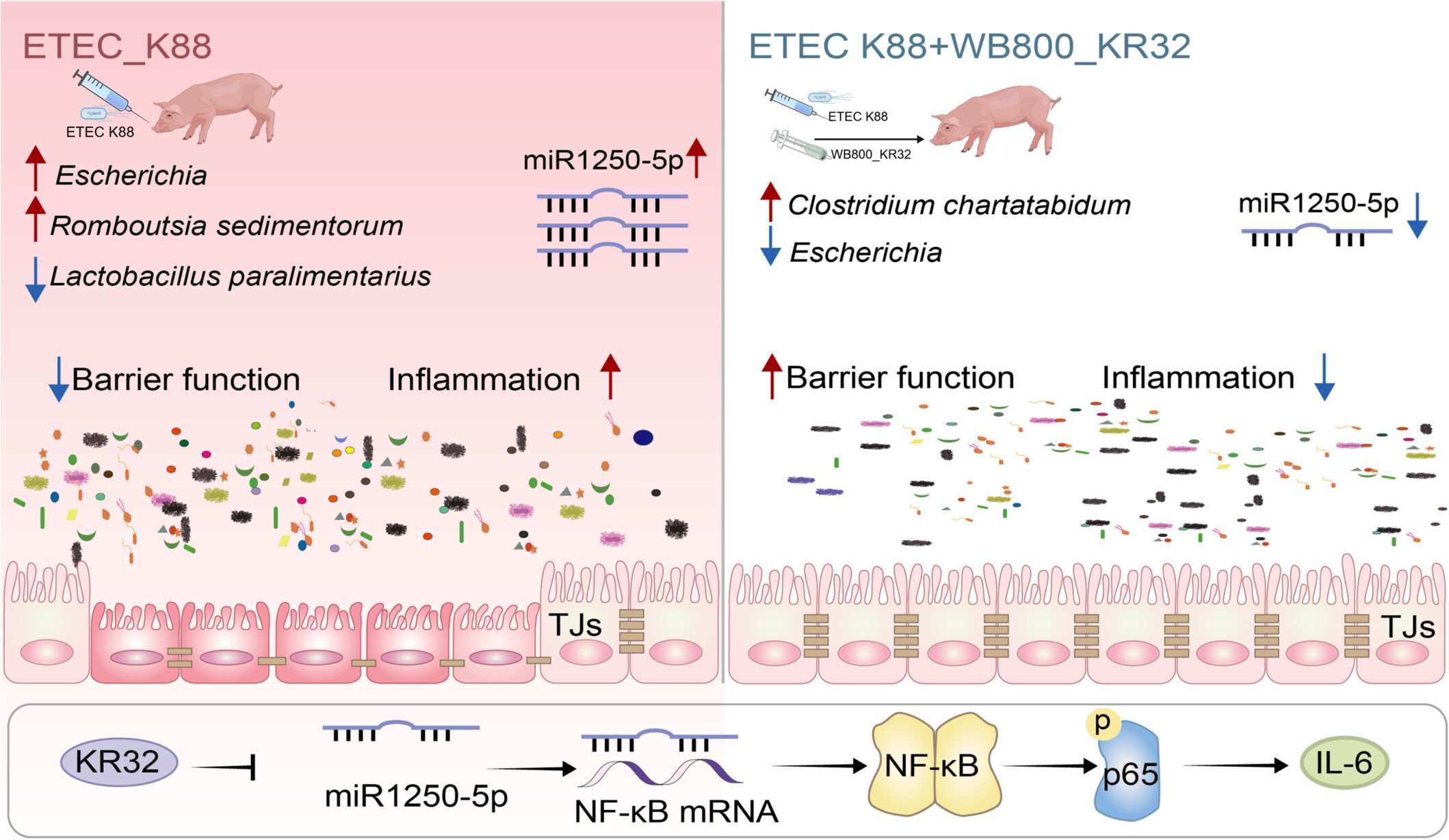
Upon enterotoxigenic Escherichia coli (ETEC) K88 infection, intestinal barrier function is disrupted with compromised tight junctions, accompanied by an exacerbated inflammatory response, proliferation of pathogenic Escherichia, and depletion of beneficial Lactobacillus paralimentarius. In parallel, miR-1250-5p expression is elevated, and both NF-κB mRNA and phosphorylated p65 protein levels are increased. With WB800-KR32 pretreatment followed by ETEC K88 challenge, KR32 antimicrobial peptides are secreted to directly inhibit Escherichia, intestinal barrier integrity is restored with reduced inflammation, the microbiota is reshaped with increased Lactobacillus paralimentarius, decreased Escherichia, and altered abundances of Romboutsia sedimentorum and Clostridium chartatabidum, miR-1250-5p expression is downregulated, and NF-κB signaling is suppressed, as evidenced by reduced NF-κB mRNA levels and diminished p65 phosphorylation. Central Mechanism: The engineered bacterium employs a two-pronged strategy: modulating the miR-1250-5p/NF-κB pathway and delivering KR32 antimicrobial peptide to improve gut microbiota composition, strengthen intestinal barrier function, and mitigate ETEC K88-induced inflammatory damage.
Pangenome variation analysis uncovers the impacts of SNP-independent structural variations in modern European cattle breeding
- 05 April 2026
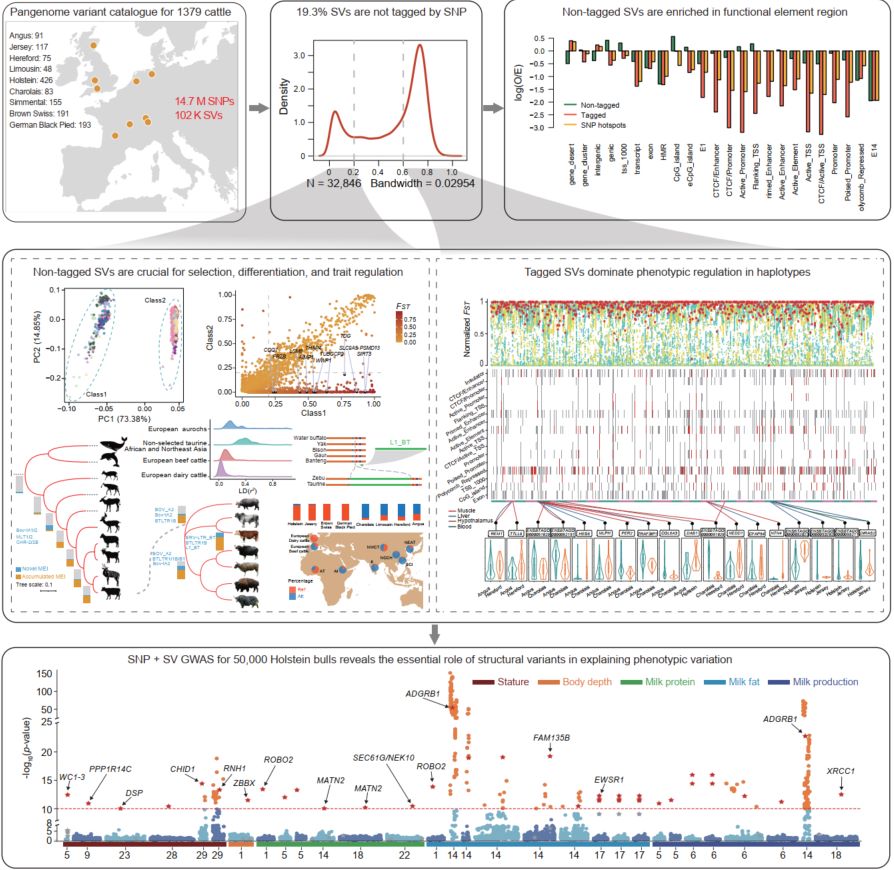
This study built a pan-genome single-nucleotide polymorphism (SNP) + structural variations (SVs) map for 1379 European cattle. It revealed that SVs not tagged by SNPs are crucial for selection, differentiation, and trait regulation, whereas SNP-tagged SVs dominate phenotypic regulation within haplotypes, collectively proving SVs' essential role in explaining phenotypic variation.
Integrated high-throughput phenomics and transcriptomics uncover the transcriptional mechanisms underlying rice responses to elevated CO2 concentration and cadmium stress
- 20 May 2026
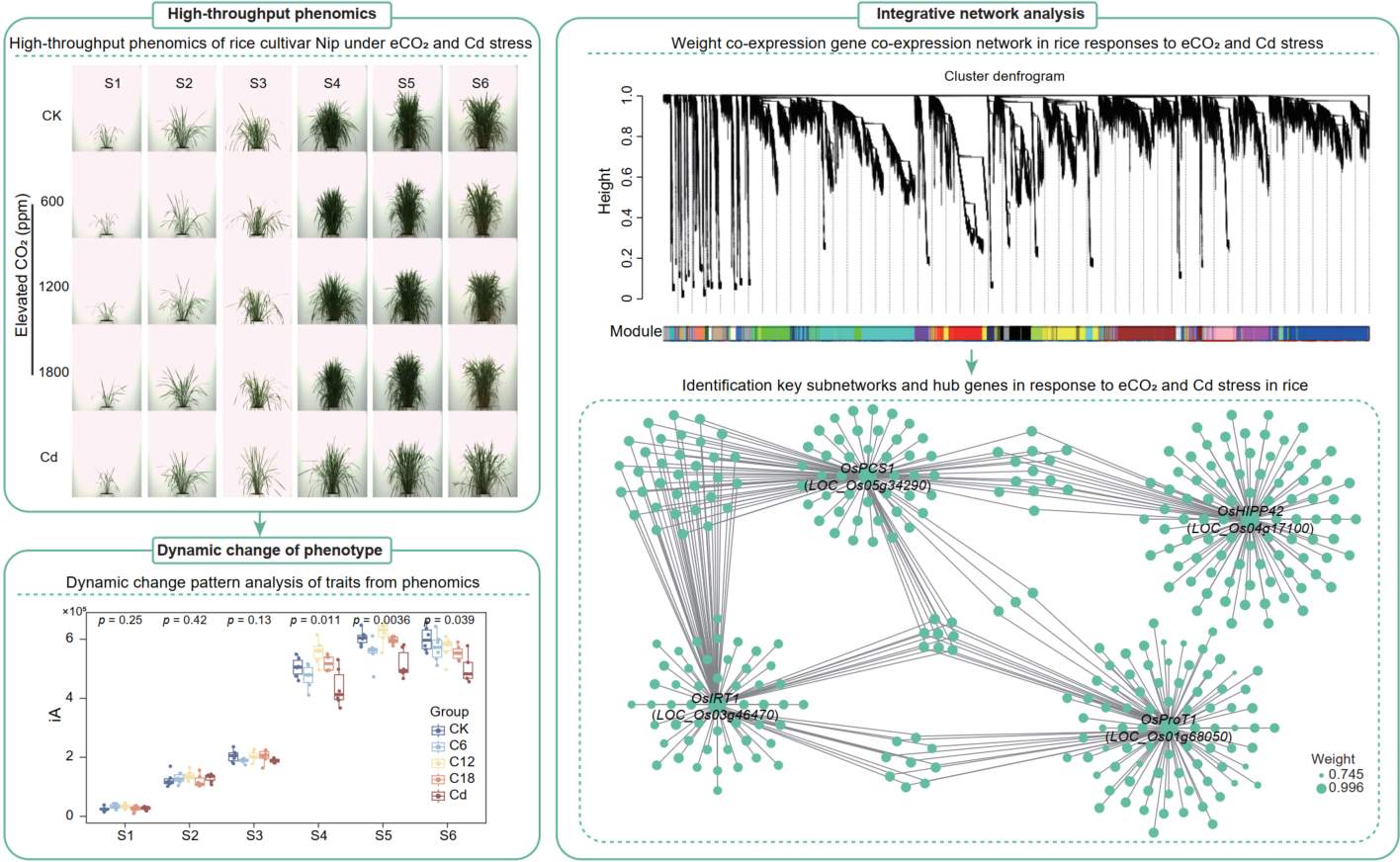
Developing crop varieties with reduced cadmium (Cd) accumulation under elevated carbon dioxide (eCO2) is a major global challenge. Identifying hub genes and elucidating the transcriptional mechanisms governing Cd stress and eCO2 responses requires integrated, multi-tissue omics approaches. Here, we conducted high-throughput phenotyping of the rice cultivar Nipponbare across six key developmental stages under Cd stress and three eCO2 concentrations. Image-based traits revealed shared and distinct phenotypic responses to these stresses. Multi-tissue transcriptome analyses showed that the differentially expressed genes (DEGs) and hormone-related genes exhibited a similar expression pattern under Cd and eCO2. We further constructed an integrative co-expression network and identified five stress-responsive subnetworks. Among these, Multiple Stress Responsive Gene 3 (OsMSR3) emerged as a hub gene, with its haplotype 2 (Hap2) frequency decreasing from low- to high-latitude regions and from southern to northeastern China, mirroring the geographic distribution of Cd-contaminated soils. Collectively, our study reveals a transcriptional regulatory network underlying rice responses to Cd and eCO2 stresses, providing mechanistic insights and valuable genetic resources for future molecular breeding of low-Cd accumulating rice varieties adapted to constant rising CO2 levels.
Integrin α5β1-mediated multicellular crosstalk in the tumor microenvironment drives bladder cancer progression and reveals targetable vulnerabilities
- 23 June 2026
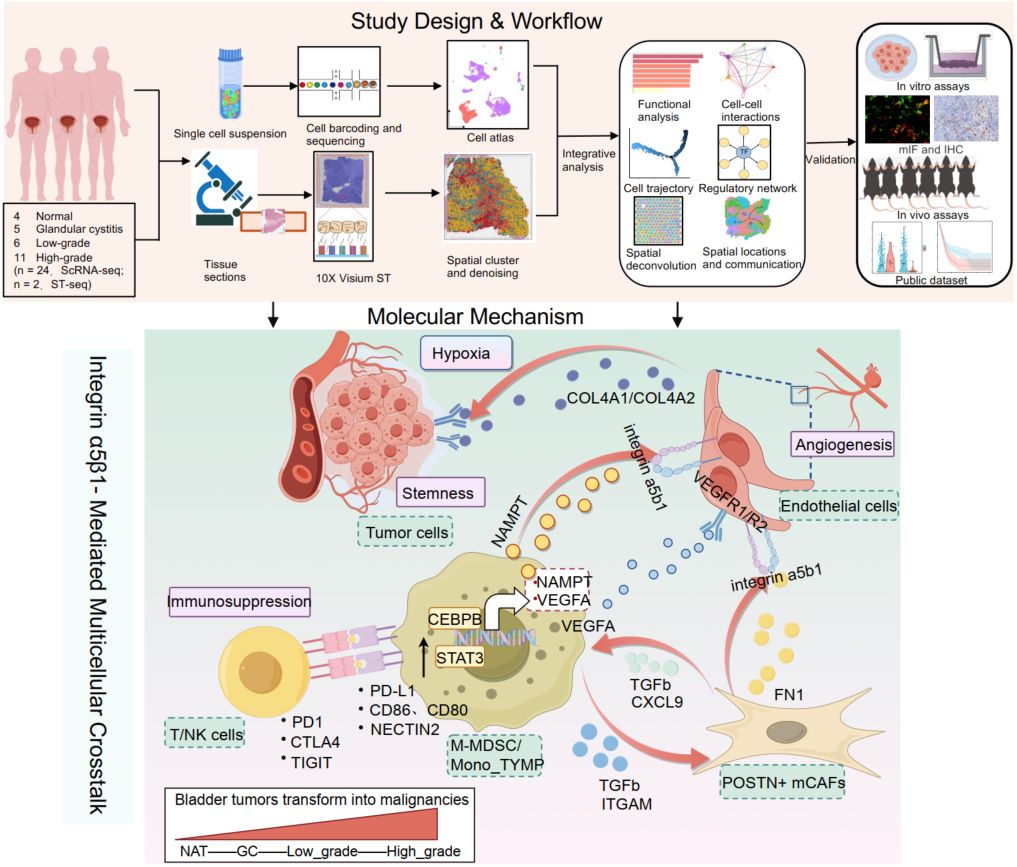
Integrating multiplexed immunofluorescence, animal models, and clinical samples, our single-cell and spatial atlas maps tumor microenvironment evolution during bladder cancer (BCa) progression. We reveal that stemness-associated tumor cells (SDC1+), POSTN+ myofibroblastic cancer-associated fibroblasts (mCAFs), and immunosuppressive monocytic myeloid-derived suppressor cells (M-MDSCs) are enriched in high-grade BCa. Mechanistically, mCAF-derived FN1 and M-MDSC-derived NAMPT engage endothelial integrin α5β1 to drive angiogenesis. Subsequently, endothelial cells sustain tumor stemness via the COL4A1/2–SDC1 axis. Therapeutically, targeting integrin α5β1 synergizes with immune checkpoint blockade, highlighting a promising stroma-directed strategy.
Changes in the gut microbiome during fasting-induced molting and its effects on gut–liver function
- 20 May 2026
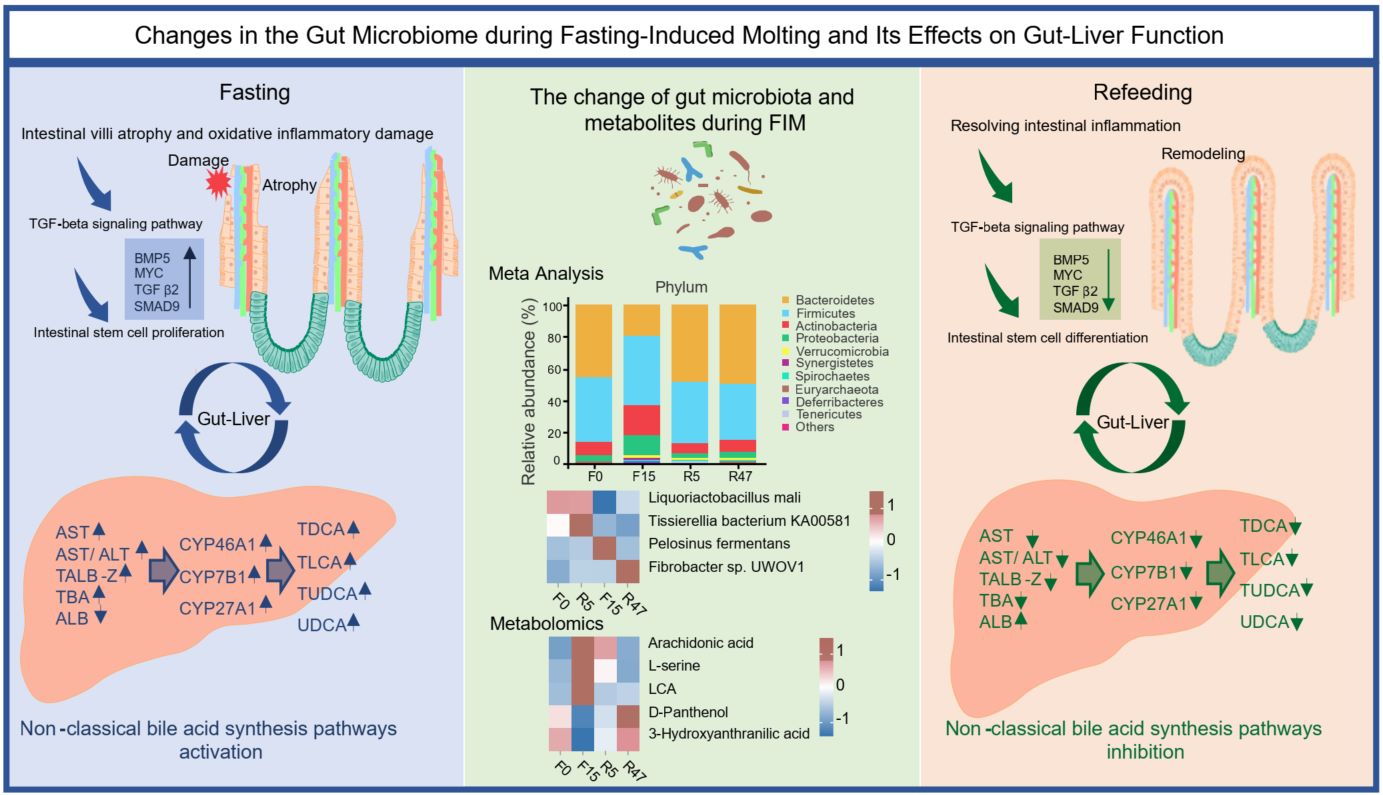
Fasting-induced molting (FIM) rejuvenates the laying cycle in hens; however, the fasting process may result in intestinal dysbiosis, which compromises host immunity and disrupts the intestine-liver function. Consequently, investigating the changes in gut microbiota during FIM and its impacts on gut-liver metabolic homeostasis is crucial for enhancing the efficiency of FIM in laying hens. Here, a total of 90 laying hens, aged 60 weeks, were selected for the FIM. Samples were collected at four time points: the day before fasting, the 15th day of fasting, the 5th day of refeeding, and the 47th day of refeeding. Metagenomic sequencing and non-targeted metabolomics were employed to investigate the roles of the gut microbiota and metabolites in the remodeling of gut–liver function, focusing on intestinal injury-repair mechanisms and changes in liver function. During the fasting period, the abundance of harmful microbiota and metabolites increase, leading to intestinal injury. This process activates the TGF-beta signaling pathway, promoting intestinal stem cell proliferation. Simultaneously, liver function dysfunction as evidenced by elevated bile acid levels in the liver and serum and activation of the non-classical bile acid synthesis pathway. During the refeeding period, the previously observed effects were reversed, leading to the remodeling of the intestinal microbiota and gut-liver function. We identified key microorganisms (Liquorilactobacillus mali and Tissierellia bacterium KA00581) and functional metabolites (d-Panthenol and 3-hydroxyanthranilic acid (3-HAA)) involved in intestinal-liver function during FIM. Notably, d-Panthenol promotes chicken small intestinal organoid branching and growth, enhances barrier function, and reduces inflammation. Our study underscores the role of gut microbiota in gut-liver injury during FIM in laying hens, suggesting potential probiotic- or metabolite-based interventions to mitigate gut-liver injury and facilitate recovery.
Genomic epidemiology and lineage-specific risk stratification of tet(X4)-mediated tigecycline resistance along the pork production chain: A One Health perspective
- 20 May 2026
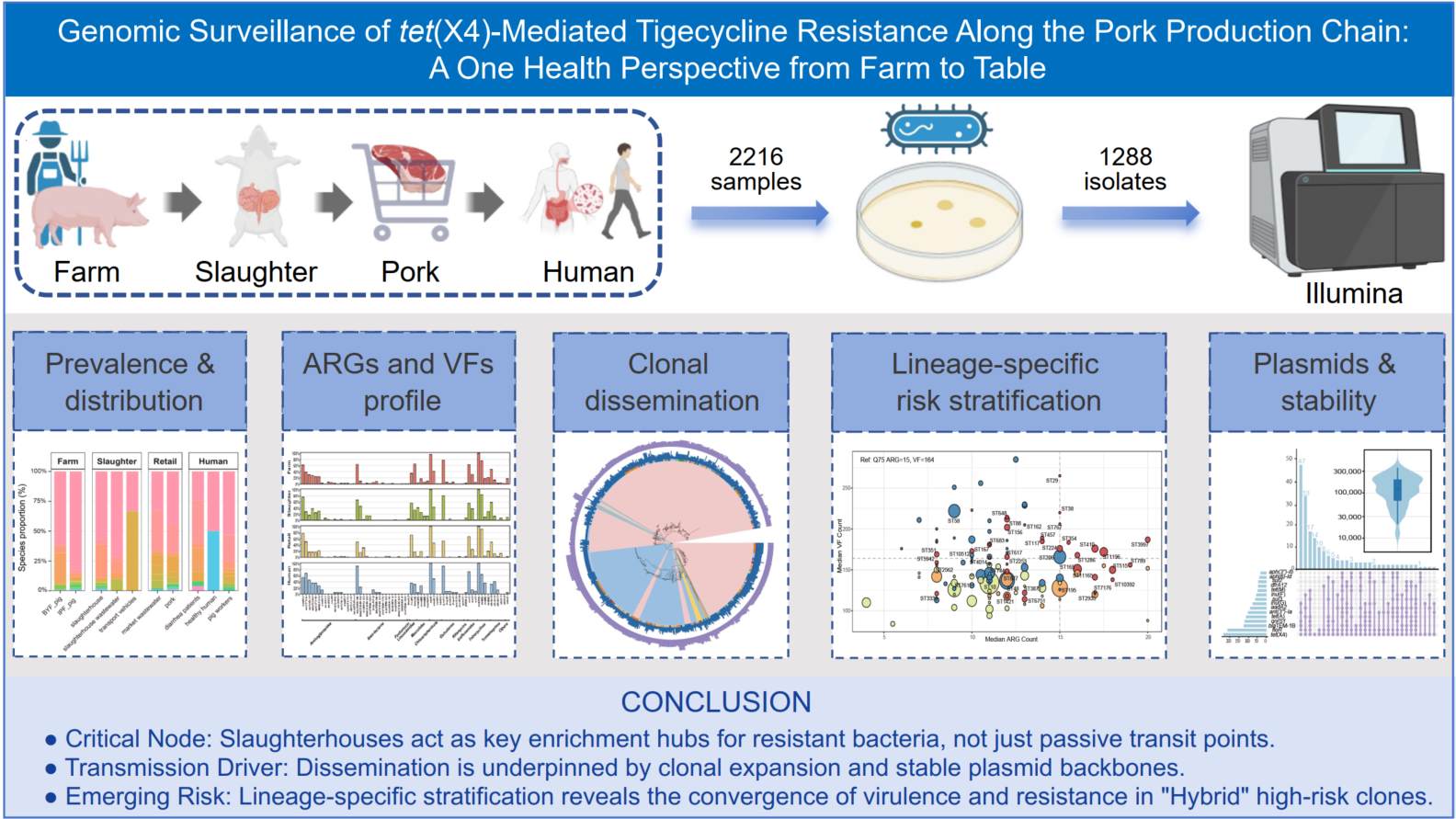
Tigecycline serves as a last-resort antibiotic, yet its efficacy is increasingly compromised by the rapid dissemination of the plasmid-borne resistance gene tet(X4). While metagenomics has broadened our understanding of resistomes, high-resolution genomic tracking of resistant clones across the entire farm-to-table continuum remains critical. In this study, we conducted a large-scale surveillance project in China, analyzing 2216 samples across the pork production chain and isolating 1288 tigecycline-resistant strains. Our genomic analysis revealed a distinct transmission dynamic: while intensive pig farms exhibited the highest recovery rate under selective enrichment, slaughterhouses acted as a critical enrichment node and served as a reservoir and potential source for the introduction of resistant strains into downstream food systems. Notably, occupational exposure emerged as an important exposure pattern, with pig farm workers showing markedly higher carriage rates than the general population. Whole-genome sequencing of 790 tet(X4)-positive Escherichia coli isolates revealed a population structure dominated by phylogroups A and B1. ST10 and ST195 were the most prevalent lineages and showed extensive putative clonal relatedness across the farm-slaughterhouse interface. We identified 2574 putative clonal relatedness events (SNPs ≤ 10), heavily concentrated in the farm-slaughterhouse interface. To assess public health threats, we developed a lineage-specific risk stratification model by integrating global datasets. This revealed two parallel risk trajectories: the enrichment of multidrug-resistant commensals in processing nodes and the convergence of hyper-virulence and resistance in specific Hybrid lineages. Furthermore, analysis of 234 tet(X4)-bearing plasmids elucidated a conserved ISVsa3-rdmC-tet(X4) genetic module carried primarily by IncF/IncHI/IncX1 backbones. We further uncovered that the stability of these plasmids is underpinned by lineage-specific Toxin-Antitoxin systems, specifically the double-lock mechanism (RelBE and Phd/Doc) in dominant IncX1 plasmids. These findings highlight farms and slaughterhouses as pivotal control points and demonstrate the power of integrated genomic surveillance in guiding One Health strategies to mitigate the spread of tet(X4).
Stratification of chronic rhinosinusitis with nasal polyps by distinct sinonasal microbial communities and their clinical and pathological correlations
- 06 January 2026
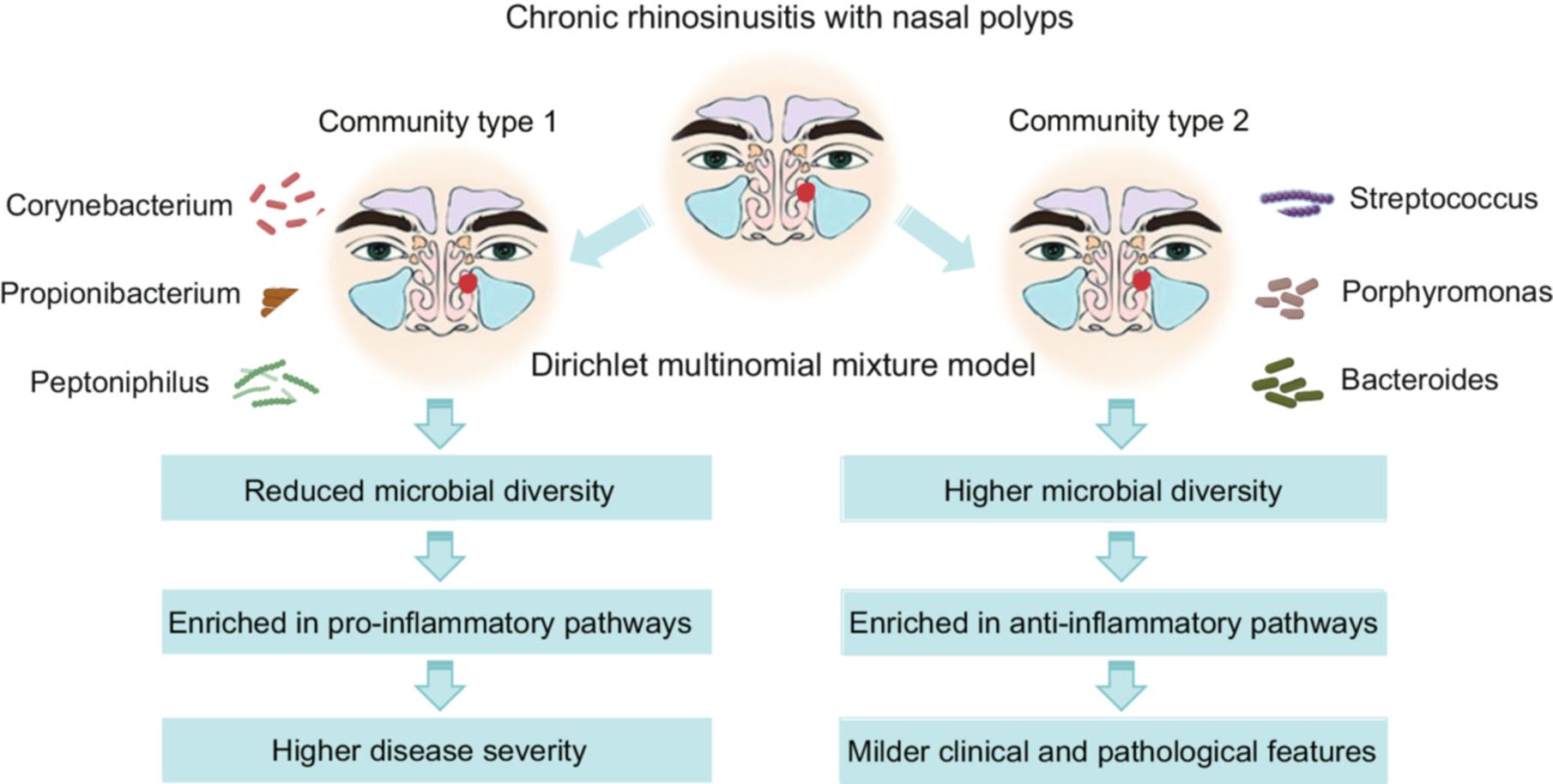
Chronic rhinosinusitis with nasal polyps (CRSwNP) is a heterogeneous inflammatory condition. Dysbiosis is commonly observed. This study identified distinct sinonasal microbial communities in CRSwNP patients and explored their clinical and pathological associations. Two distinct microbial communities were identified: community type 1 (CT1), dominated by Corynebacterium, Propionibacterium, and Peptoniphilus; and community type 2 (CT2), dominated by Streptococcus, Porphyromonas, and Bacteroides. CT1 exhibited significantly reduced microbial diversity and was enriched in pro-inflammatory pathways, whereas CT2 showed higher microbial diversity, with pathways supporting anti-inflammatory. Clinically, CT1 patients demonstrated higher disease severity and increased eosinophil infiltration, compared with CT2. CRSwNP patients can be stratified into two distinct microbial communities, each with specific clinical and pathological profiles. Microbial-based stratification may inform tailored therapeutic strategies to address the diverse clinical and pathological manifestations of CRSwNP.
L-EasyARG: A long-read metagenomics tool for rapid antibiotic-resistance-gene profiling
- 21 April 2026
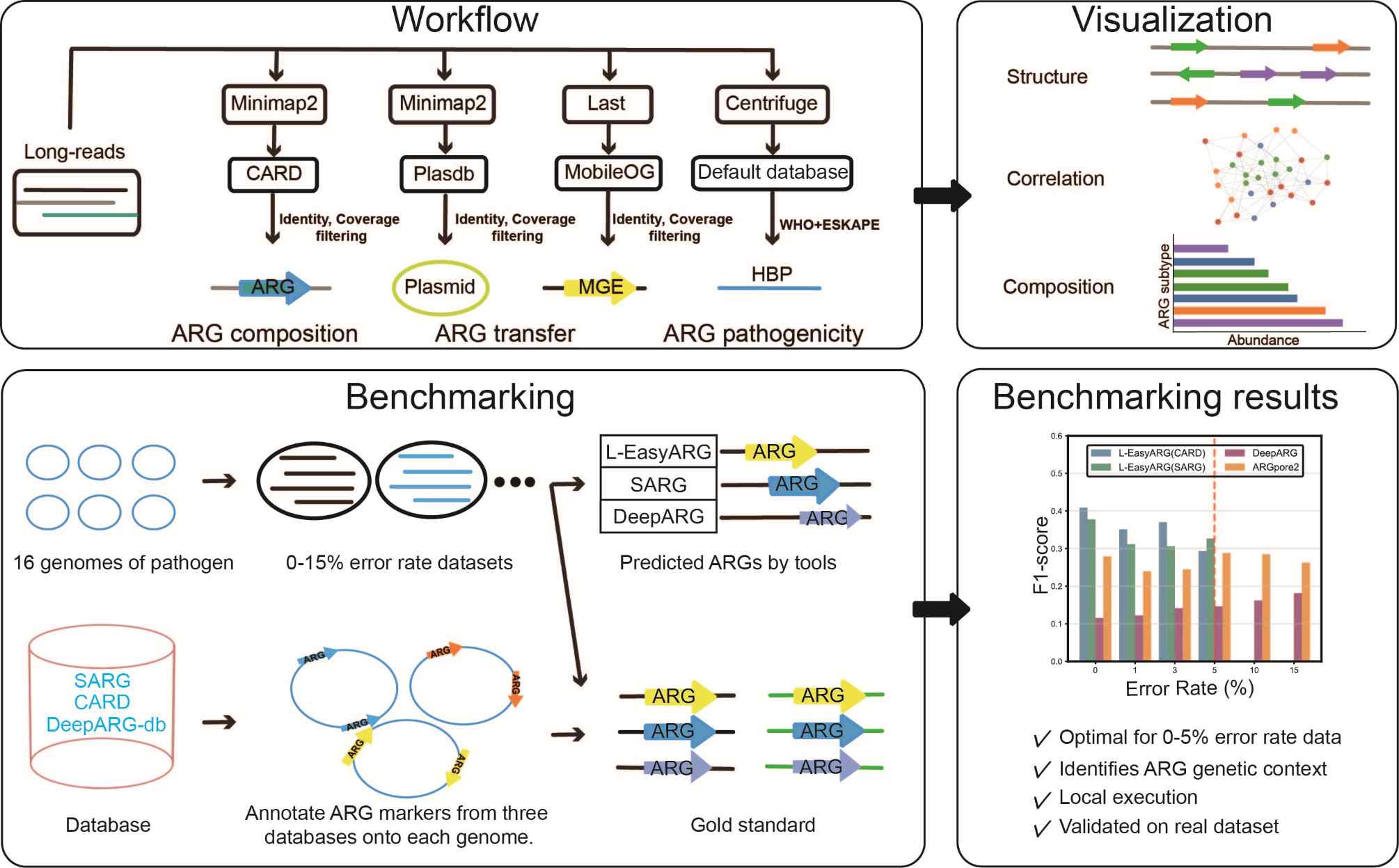
L-EasyARG is a pipeline for long-read metagenomic profiling of antibiotic resistance genes (ARGs) and their genetic context. It integrates ARG identification, plasmid and mobile genetic element (MGE) detection, taxonomic classification, and further identifies ARGs carried by human bacterial pathogens (HBPs) defined in the WHO and ESKAPE pathogen lists. Benchmarking on simulated datasets with error rates ranging from 0% to 15% demonstrates optimal F1-scores at ≤5% errors, outperforming existing tools such as ARGpore2 and DeepARG. Application to hospital wastewater samples validates its ability to capture disinfection-induced shifts in ARG composition, ARG-MGE co-occurrence, and ARG-host associations. L-EasyARG generates comprehensive outputs including abundance profiles, co-occurrence networks, and interactive visualizations, enabling efficient resistome surveillance and risk assessment. The pipeline is user-friendly and locally executable.
The mediating roles of gut microbiota in the associations of air pollution and meteorological factors with metabolic syndrome
- 07 May 2026
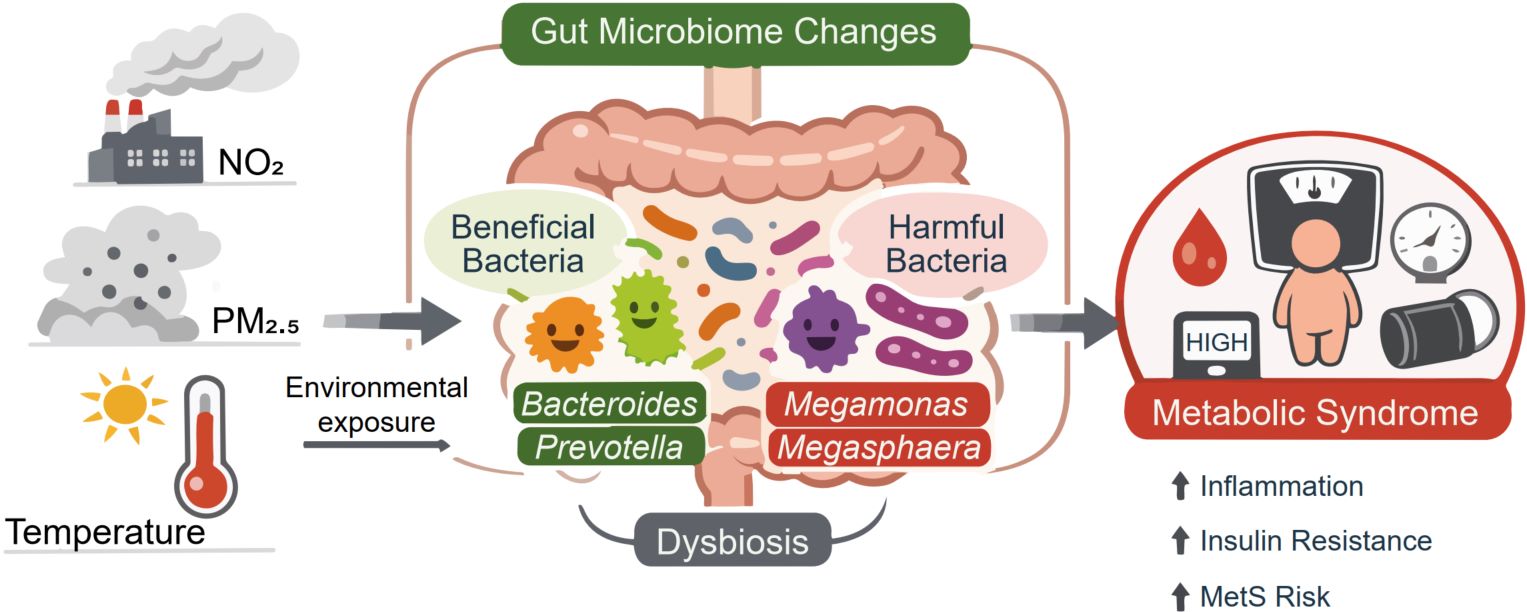
We characterized distinct gut microbial community clusters associated with metabolic syndrome (MetS) and identified key genera underlying these patterns. Health-associated clusters were dominated by beneficial genera such as Bacteroides and Prevotella with known metabolic protective functions. Environmental exposures (air pollution and temperature) were associated with gut microbiota composition, and may increase the risk of MetS. Our findings further suggest that specific bacterial genera, particularly Megamonas and Megasphaera, may statistically mediate the associations of long-term exposure to nitrogen dioxide (NO2), fine particulate matter (PM2.5), and ambient temperature with MetS risk. Integrating environmental exposure assessment with gut microbiota profiling offers a promising strategy for metabolic syndrome prevention and precision intervention.
Comprehensive spatial profiling reveals transitional microbiome dynamics and microbial heterogeneity in pediatric adenoid hypertrophy
- 10 May 2026
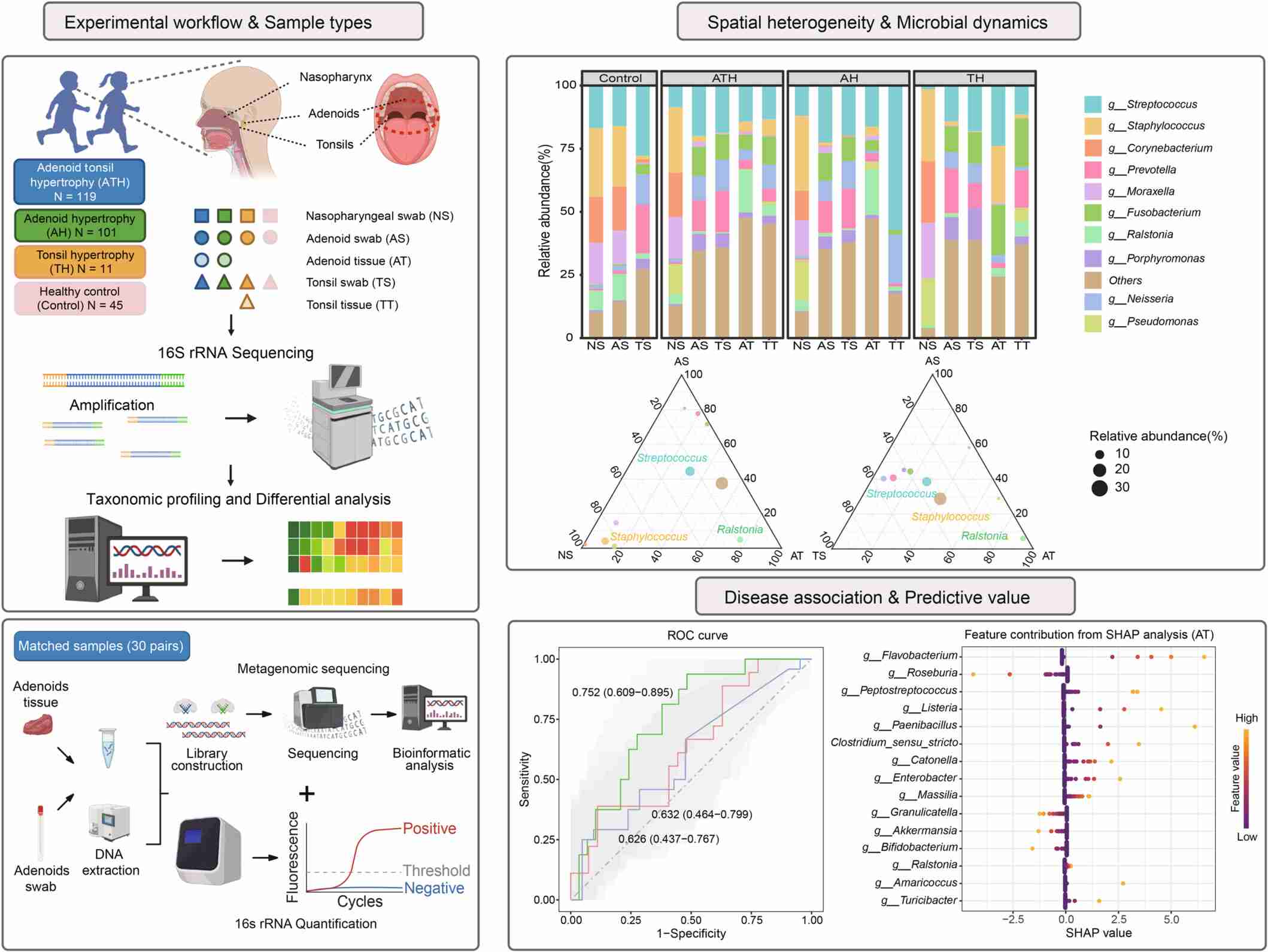
This study characterizes the upper respiratory microbiome in 276 children (101 Adenoid hypertrophy (AH) 119 Adenotonsillar hypertrophy (ATH), 11 Tonsil hypertrophy (TH), and 45 healthy controls by analyzing 1149 samples across five distinct niches: nasopharyngeal swabs (NS), adenoid swab (AS), and tonsil swabs (TS), plus adenoid tissues (AT) and tonsil tissues (TT). Utilizing a workflow of 16S rRNA sequencing, qPCR, and metagenomics, we identified significant spatial heterogeneity and niche-specific dominance, such as Staphylococcus in the nasopharynx and Streptococcus on mucosal surfaces. AT exhibited a transitional microbiome with intermediate composition and unique Ralstonia enrichment. Machine learning models demonstrate that AT microbial profiles (area under curve, AUC = 0.752) offer superior predictive power for AH severity compared to surface swabs. SHAP analysis identified key contributing genera, such as Roseburia and Flavobacterium, as primary drivers of these predictive outcomes. These findings highlight how tissue-infiltrating microbial dynamics drive chronic inflammation and pediatric hypertrophy.