
Accu16S/AccuITS: Accurate and broadly applicable amplicon sequencing for absolute microbiome quantification
- 02 March 2026
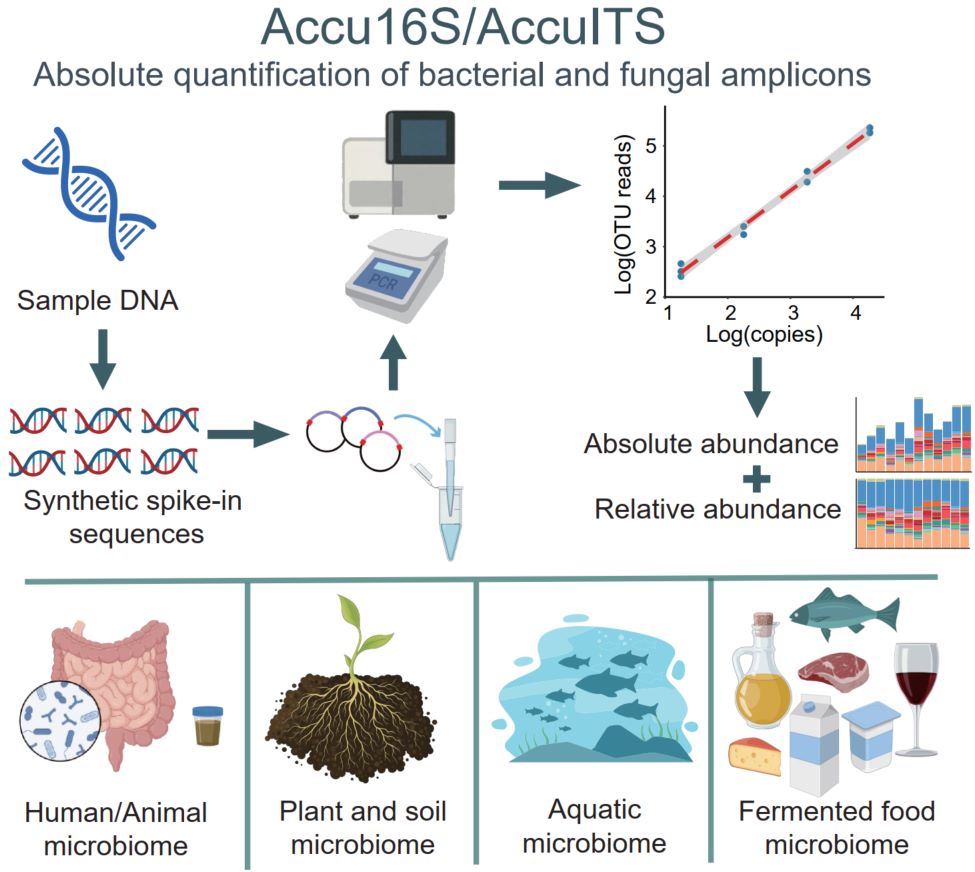
Traditional 16S rRNA gene and Internal Transcribed Spacer region amplicon sequencing provides only relative abundance, often leading to biased ecological interpretations. To overcome this limitation, we developed Accu16S/AccuITS, an absolute quantification method for bacterial and fungal amplicons based on synthetic internal spike-in DNA with known copy numbers. By adding internal standards prior to Polymerase Chain Reaction and sequencing, absolute microbial abundances can be calculated using standard curve regression. Accu16S/AccuITS exhibits sensitivity and consistency comparable to quantitative Polymerase Chain Reaction and is applicable to diverse sample types. A single sequencing run simultaneously yields relative abundance, total absolute abundance, and taxon-specific absolute abundance. Case studies across diverse ecosystems demonstrate that absolute quantification provides ecologically and functionally meaningful insights beyond those obtained from relative abundance analyses.
Spatial multi-omics identifies a NOTCH3-mediated capillary–mCAF crosstalk driving immune exclusion in hepatocellular carcinoma
- 17 March 2026
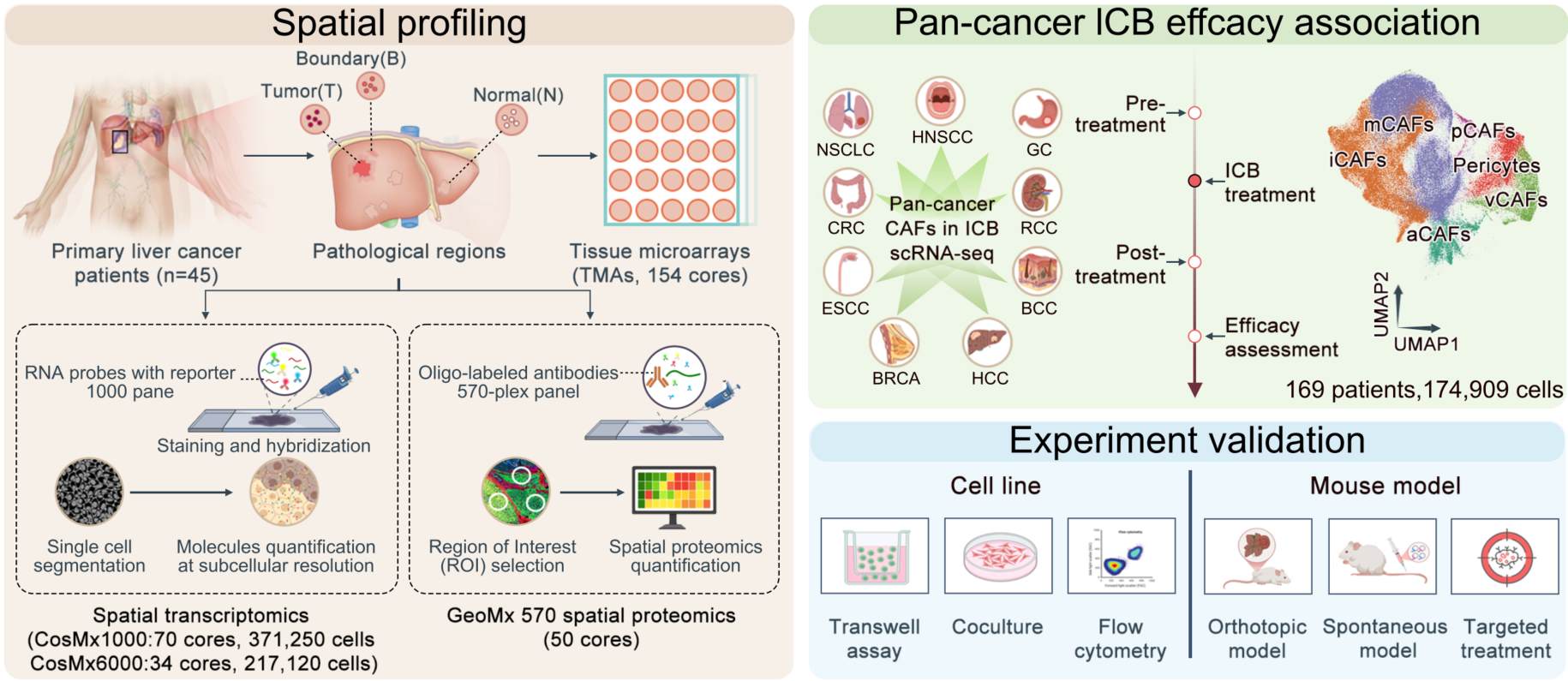
Spatial multi-omics defines a DLL4–NOTCH3–driven capillary–mCAF axis orchestrating fibrotic remodeling and immune exclusion in hepatocellular carcinoma tumor cores, conferring immune checkpoint blockade resistance. Targeting stromal NOTCH3 disrupts this pro-fibrotic niche, enhances T cell infiltration, and synergizes with anti-PD-1 therapy, highlighting a translatable strategy to overcome immunotherapy resistance.
Chondroitin sulfate restores muscle mass via gut–muscle axis remodeling through sugar–bile acid metabolism reprogramming
- 12 March 2026
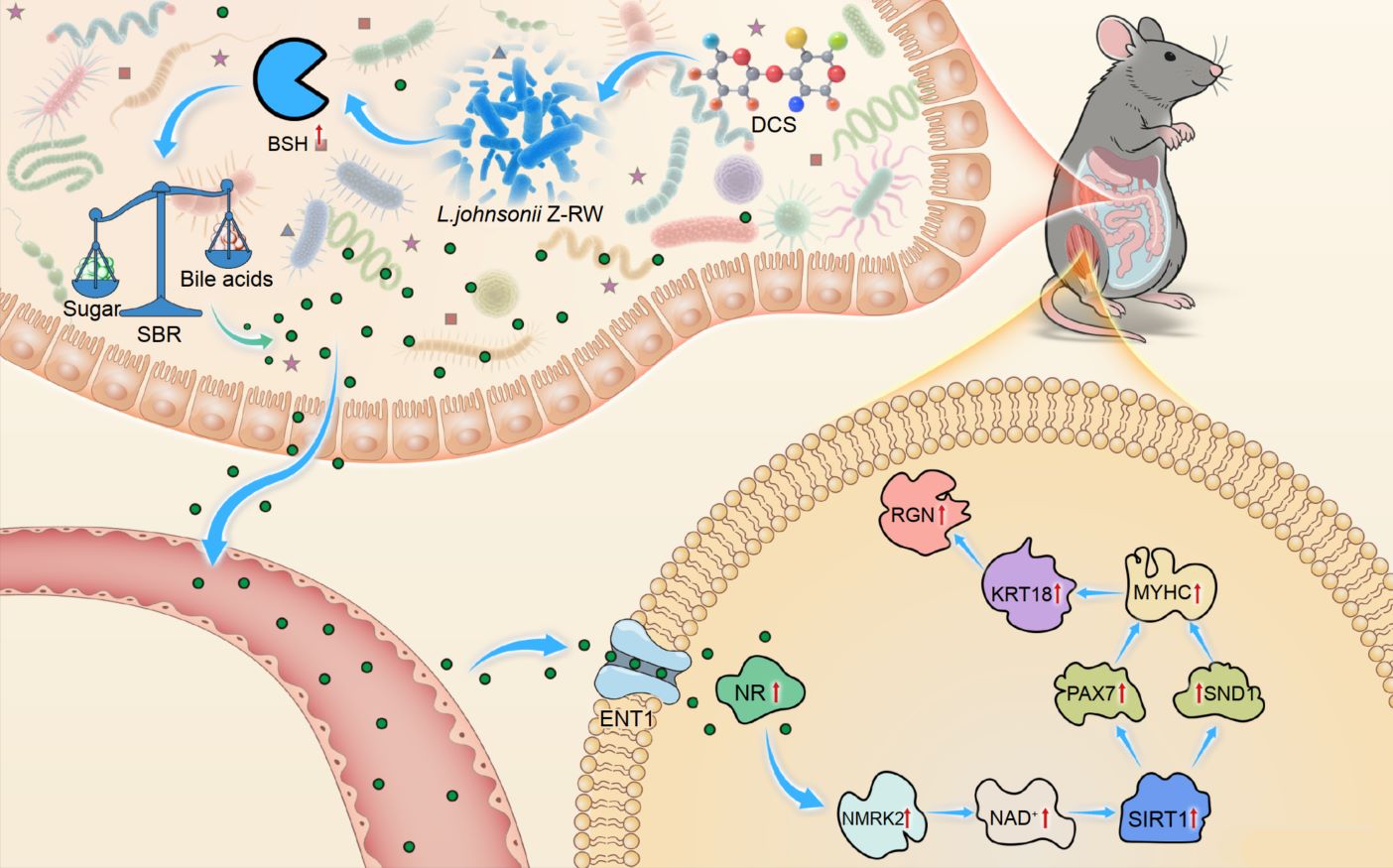
The graphical abstract illustrates the molecular mechanism by which chondroitin sulfate (DCS) alleviates glucocorticoid-induced myopathy through the gut–muscle axis. DCS selectively enriches L. johnsonii Z-RW, enhancing bshA-encoded BSH activity to promote bile acid deconjugation and reduce the sugar–bile acid ratio, thereby re-establishing intestinal metabolic homeostasis. The resulting secondary bile acids cross the intestinal barrier and reach muscle tissue, where they activate NMRK2-mediated NAD⁺ biosynthesis and PAX7 signaling, upregulating myogenic proteins such as KRT18, MYHC, and RGN. These coordinated molecular events restore energy metabolism and muscle function.
Chromatin unwinding state for in situ identification and lineage tracing of circulating tumor cells
- 09 March 2026
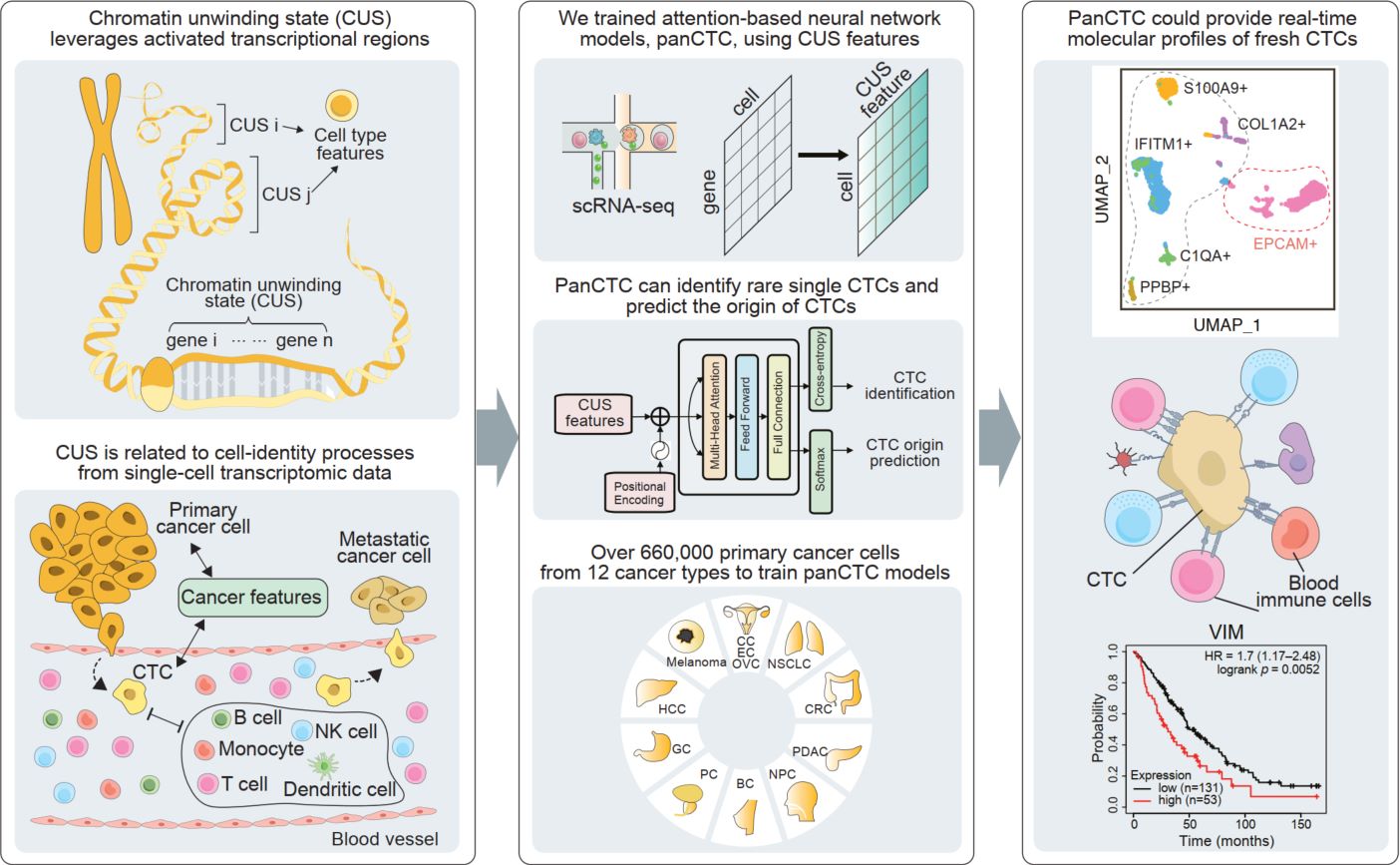
The detection of circulating tumor cells (CTCs) through liquid biopsy offers a non-invasive approach for accurately monitoring cancer dissemination and evaluating therapeutic efficiency. However, their rarity and heterogeneity limit conventional tumor antigen labelling-based methods in identifying and tracing CTCs. Here, we developed a novel metric, termed chromatin unwinding state (CUS), which leverages activated transcriptional regions related to cell-identity processes from single-cell transcriptomic data while overcoming technical variances. Using CUS features, we trained attention-based neural network models, panCTC, to in situ identify and lineage trace rare single CTCs directly from 5 mL of peripheral blood mononuclear cells scRNA-seq without enrichment. We benchmarked panCTC on various in silico-simulated, public, and in-house sequenced data, demonstrating its robustness across sample types and platforms. PanCTC could provide real-time scRNA-seq profiles of fresh CTCs, supporting early cancer detection and targeted anti-metastatic therapy.
Targeting DGKα/PA axis inhibits tumor immune evasion and augments sensitivity to immunotherapy in gastrointestinal cancers
- 12 March 2026
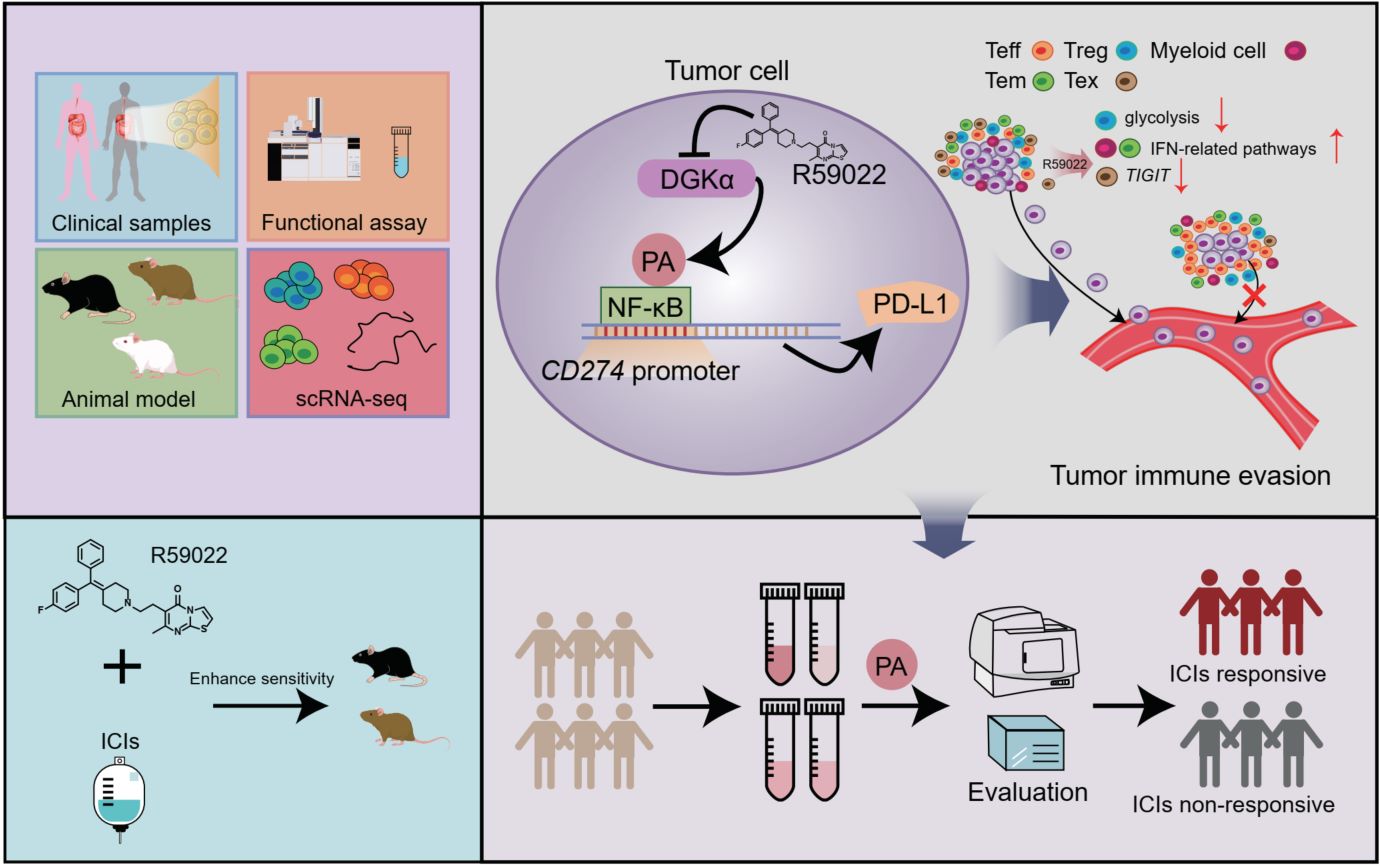
Immune checkpoint inhibitors (ICIs) have shown promising antitumor efficacy in certain types of solid tumors. However, the efficacy of ICIs remains unsatisfactory owing to the dysregulation of signaling pathways in local tumor tissues. Here, we reveal that diacylglycerol kinase α (DGKα)-derived phosphatidic acid (PA) directly binds to nuclear factor-κB (NF-κB) and enhances the transcriptional activity of NF-κB to increase the expression of programmed cell death 1-ligand 1 (PD-L1) and facilitate the immune evasion of tumor cells and orchestrate immune microenvironment. Inhibition of DGKα activity decreases the intratumoral PD-L1 level and induces cytotoxic T lymphocytes (CTLs) infiltration and resultantly enhances the antitumor efficacy of ICIs. Plasma PA can function as a biomarker to evaluate the efficacy of ICIs in gastrointestinal cancers. Overall, our results identify the DGKα/PA axis as a metabolic driver of immune evasion and CTLs exclusion, representing a promising target to enhance ICIs' efficacy in gastrointestinal cancer treatments.
A large-scale single-cell transcriptomic atlas indicates the immune panorama of influenza A infection
- 25 March 2026
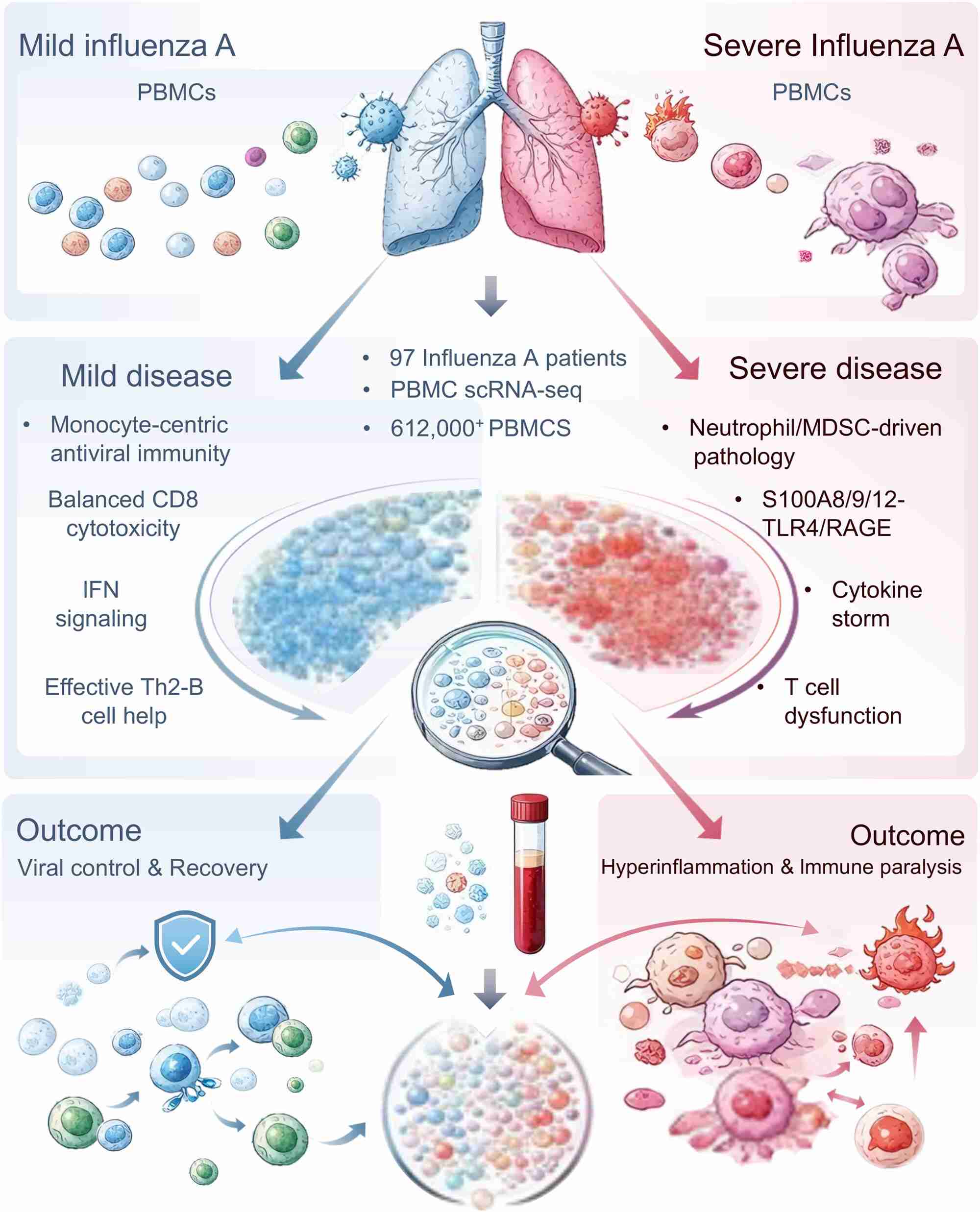
The study presents a large-scale single-cell transcriptomic atlas profiling over 612,010 peripheral immune cells from 97 individuals to decode the heterogeneity of influenza infection. These findings indicate a fundamental immune dichotomy determining clinical trajectories: a protective, monocyte-centric antiviral state in mild disease versus a pathological, neutrophil- and myeloid-derived suppressor cell (MDSC)-driven hyperinflammatory state in severe infection. Mechanistically, severe disease is orchestrated by the S100A8/9/12–TLR4/RAGE axis and MDSC expansion, driving a “double hit” of cytokine storm and immune paralysis. This dysregulated environment precipitates metabolic collapse in effector T cells and the pathogenic conversion of regulatory T cells. Collectively, these results define the cellular checkpoints governing influenza outcomes and highlight host-directed therapeutic targets.
Two stable gut microbiome guilds predict liver tumor class and treatment responses
- 02 April 2026
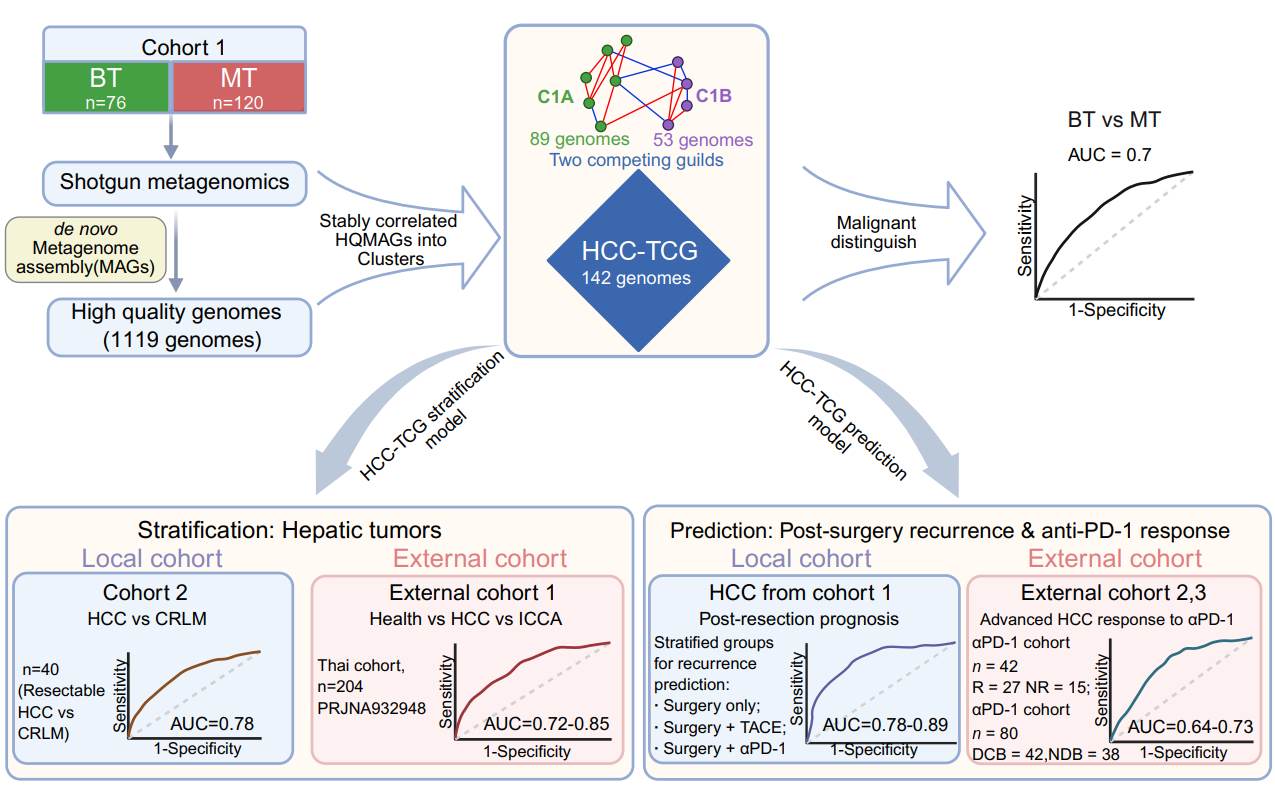
Gut microbiome alterations are linked to hepatocellular carcinoma (HCC), yet taxon-based biomarkers often lack reproducibility. Using shotgun metagenomics from 120 resectable HCC (MT) and 76 benign hepatic tumor controls (BT), we reconstructed a stable interaction-based Two Competing Guilds model (HCC-TCG) comprising 142 genomes organized into two antagonistic guilds. The ecological guild balance distinguished HCC from benign and other hepatic tumor types, generalized across external cohorts, and predicted post-resection recurrence and adjuvant therapy response. Validation in advanced HCC immunotherapy cohorts further supported its transferability, establishing a genome-resolved ecological signature for tumor stratification and noninvasive risk prediction.
Microbial synthetic community ARC prevents aflatoxin and increases rhizobia-legume nodulation couplingly
- 29 April 2026
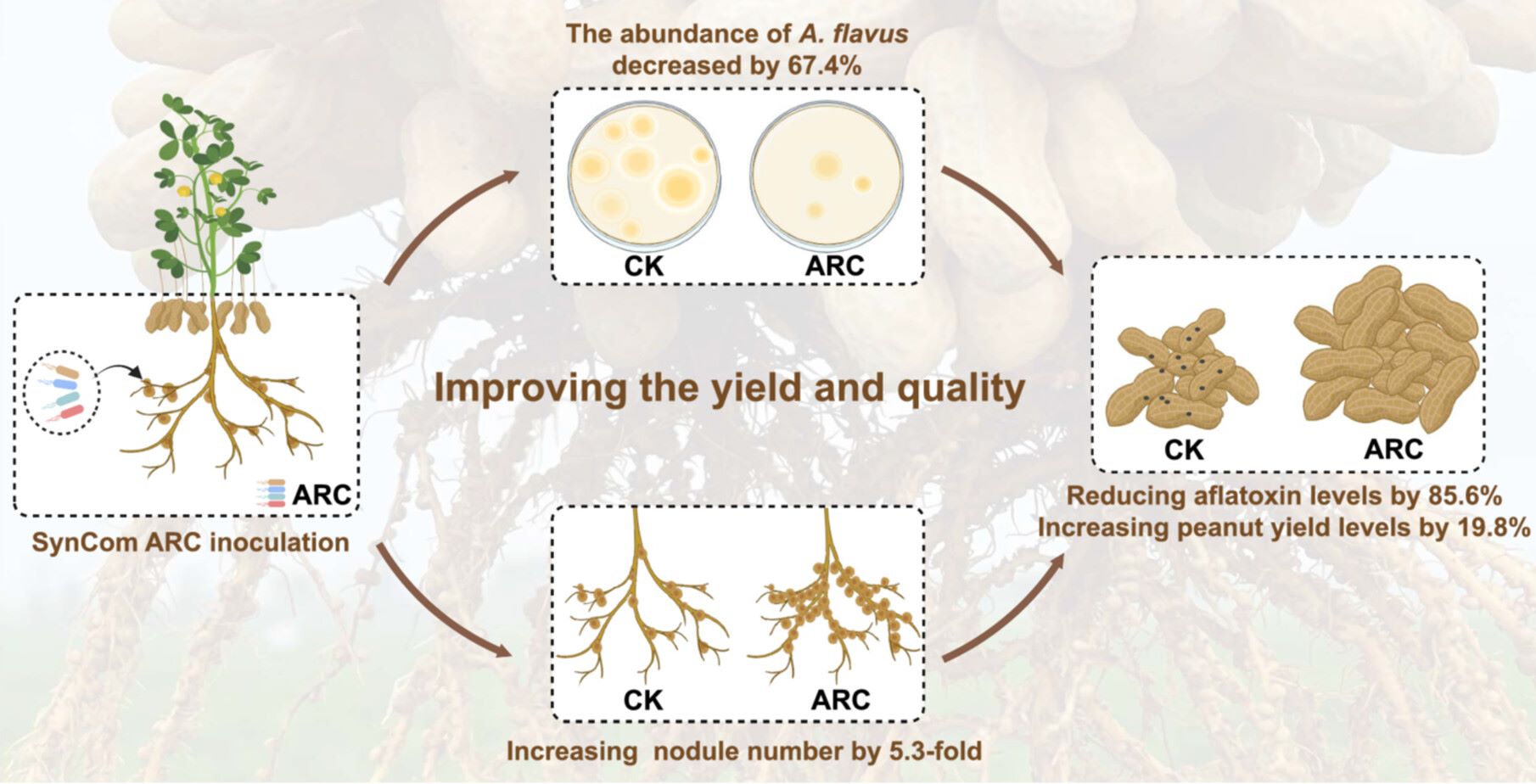
Develop a novel strategy for exploring a dual-functional microbial synthetic community. Invent the SynCom ARC, which achieves aflatoxin control and rhizobia nodulation induction coupling in peanut. SynCom ARC inhibits A. flavus growth and reduces peanut aflatoxin levels by 85.6% in 4 year field trials. SynCom ARC enhances peanut nodulation and nitrogenase activity, retains active nodules at harvest, and boosts yield without super nodulation penalty in 325 sites of 19 provinces. SynCom ARC inhibits multiple targets in A. flavus, recruits and activates nodulation and nitrogen fixation in rhizobia and peanut, and improves photosynthesis and carbon supply for aflatoxin prevention and nodulation induction, balancing yield increase.
Intratumoral Enterobacter hormaechei drives gemcitabine resistance in pancreatic cancer via cddL-mediated drug inactivation
- 29 April 2026
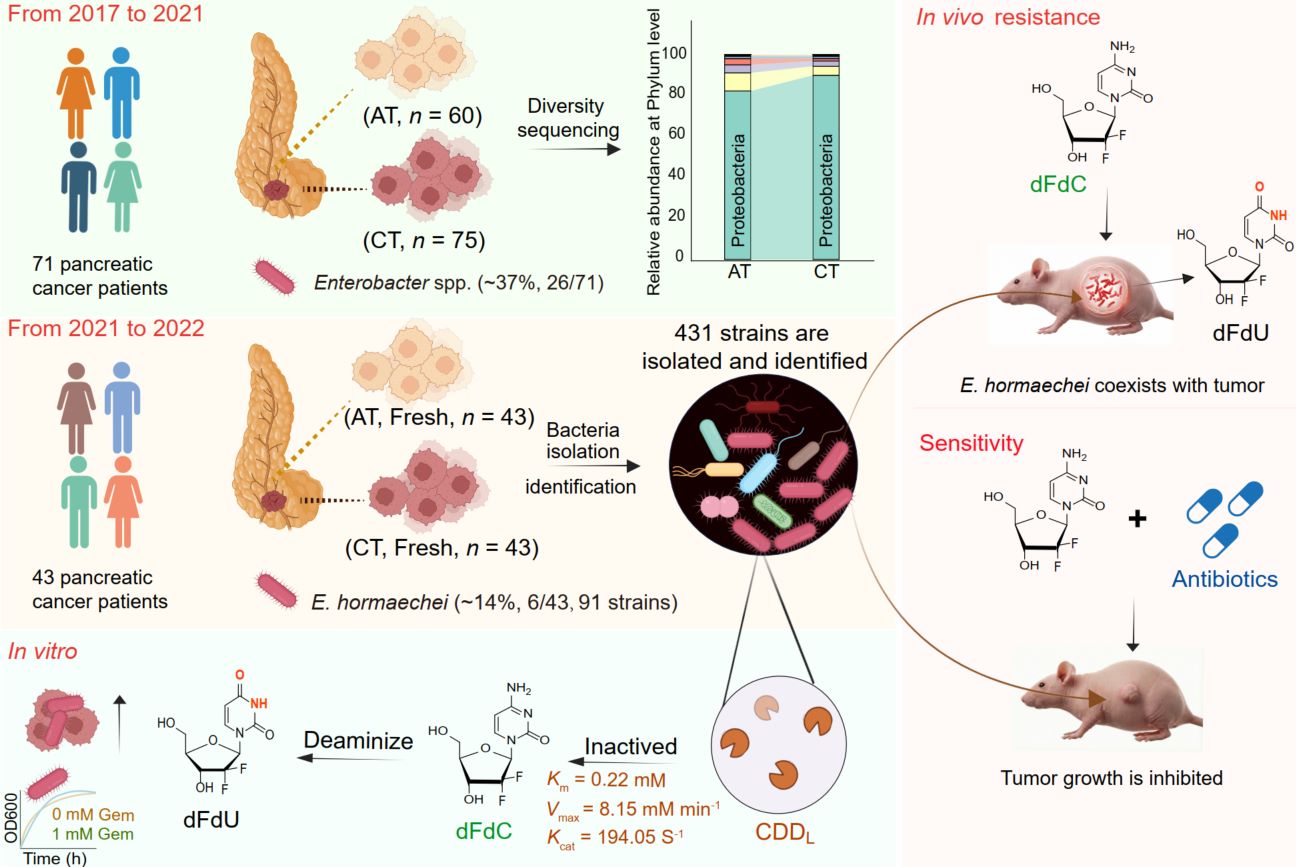
Gemcitabine resistance poses a critical barrier to improving survival in pancreatic cancer, yet the microbial drivers remain elusive. By integrating 16S rRNA amplicon sequencing with large-scale culturomics across 114 clinical samples, we identified Enterobacter hormaechei as a key intratumoral pathogen. We demonstrate that E. hormaechei confers resistance by enzymatically converting the drug to its inactive metabolite dFdU via a unique long-isoform cytidine deaminase encoded by cddL. Kinetic analysis revealed exceptional catalytic efficiency (Km = 0.22 mM, kcat = 194.05 s−1), and genetic ablation of cddL fully restored drug sensitivity. In vivo, antibiotic co-treatment eliminated intratumoral bacteria and potentiated gemcitabine efficacy, enabling a 50% dosage reduction without comprising therapeutic outcome. Pan-cancer analysis further confirmed the broad prevalence of Enterobacter across multiple solid tumor types. These findings elucidate a cddL-mediated mechanism of chemoresistance and identify intratumoral E. hormaechei as a tractable therapeutic target for optimizing gemcitabine-based regimens and improving patient outcomes.
FluNexus: A versatile web platform for antigenic prediction and visualization of influenza A viruses
- 02 May 2026
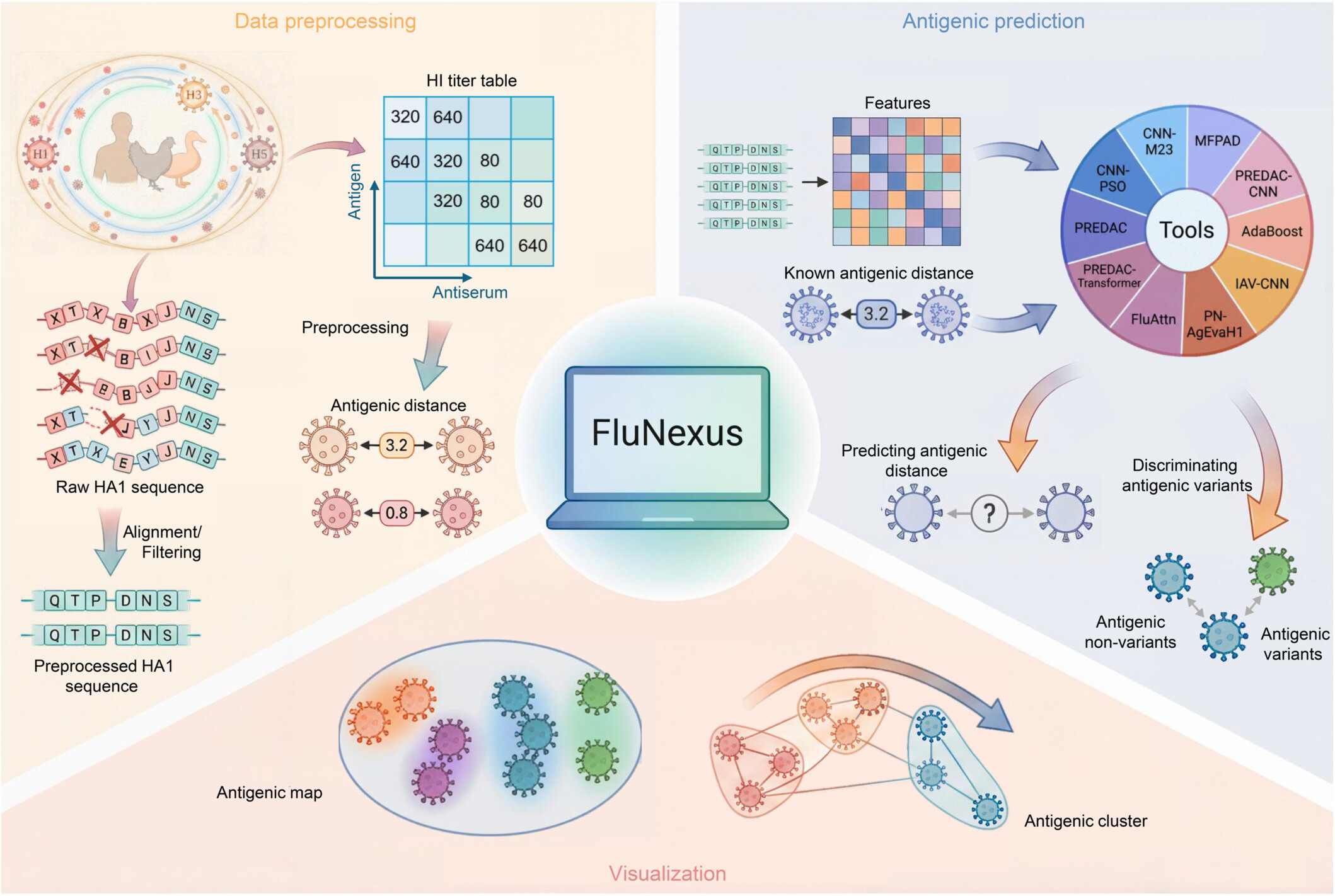
FluNexus is a versatile platform for the antigenic prediction and visualization of influenza A viruses, including: (i) Online data preprocessing module. (ii) Online antigenic prediction module. (iii) Visualization module for mapping antigenic evolution.
Spinal cord injury induces acute microbiome shock and system-wide transcriptomic reprogramming
- 03 May 2026
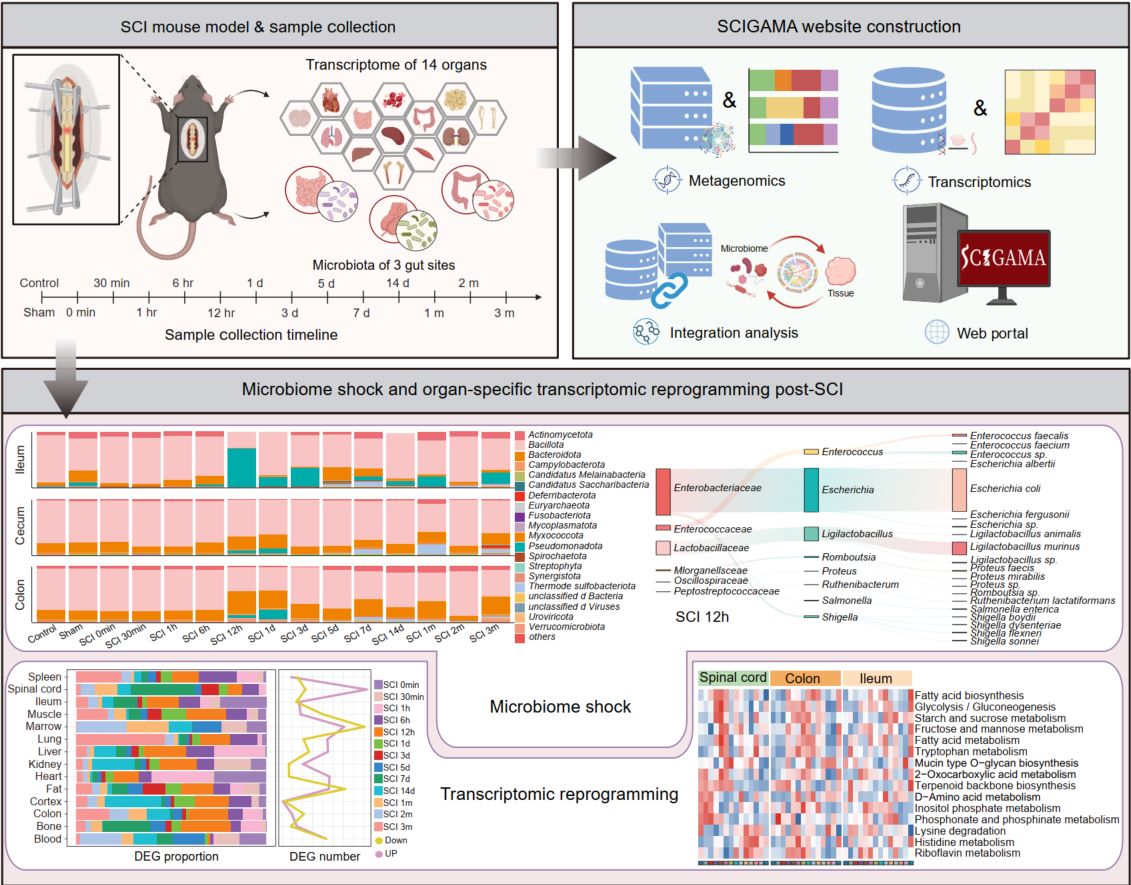
This study investigates the systemic consequences of spinal cord injury (SCI), with a particular focus on alterations in the gut microbiome and multi-organ transcriptomic responses. We identify a rapid and severe disruption of the gut microbiota—termed “microbiome shock”—that emerges within 12 h post-SCI and persists before gradually resolving by 5 days post-injury. To support further research in this field, we established an open-access resource, the Spinal Cord Injury Gut Microbiome and Multi-Organ Gene Expression Atlas (SCIGAMA).