
Microbial metabolites in tumor epigenetic regulation
- 13 March 2026
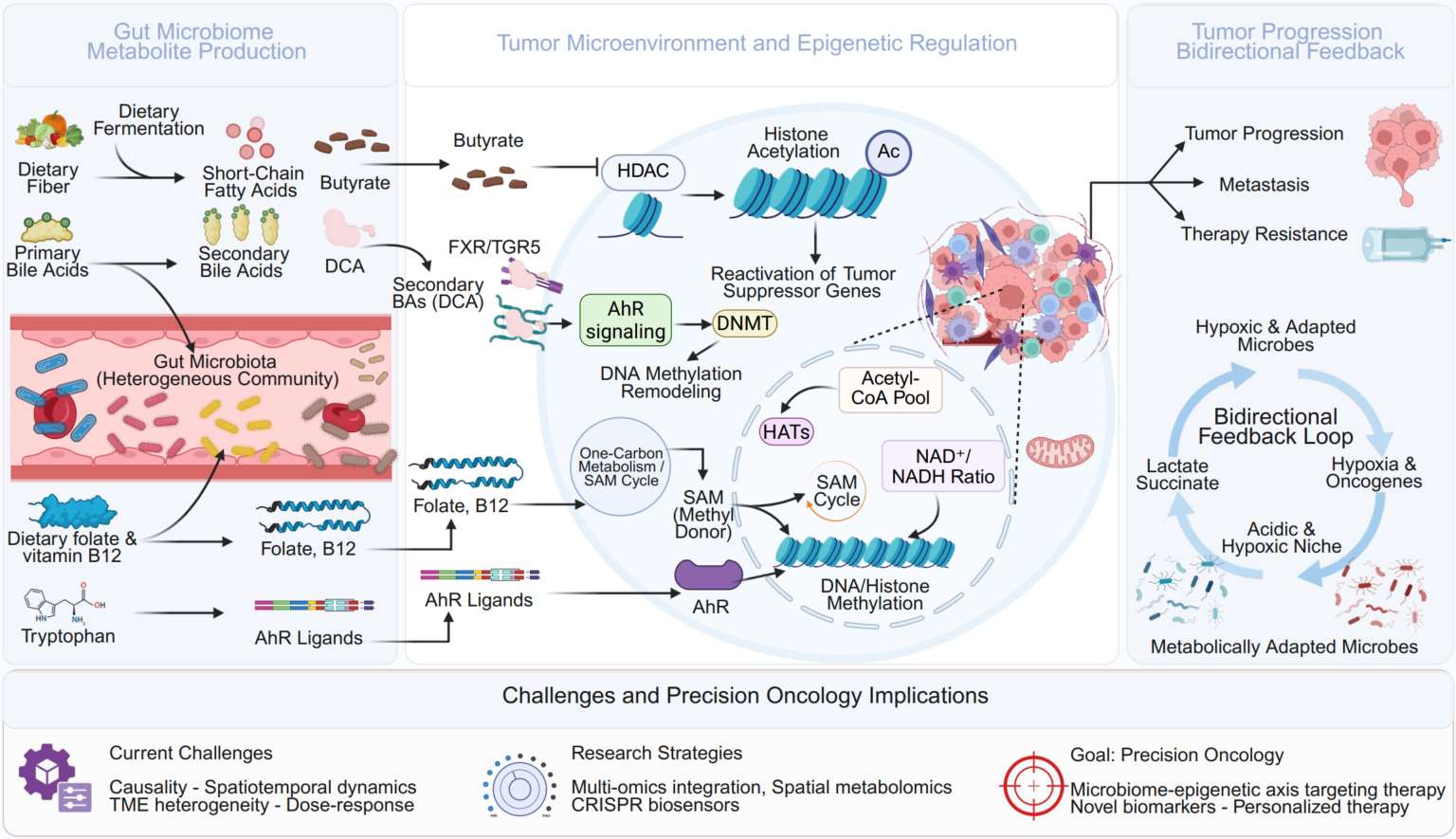
The gut microbiome modulates tumor epigenetic regulation through bioactive metabolites derived from dietary substrates. Microbiota-produced SCFAs, secondary BAs, one-carbon metabolites, and tryptophan-derived ligands regulate histone acetylation, DNA methylation, and chromatin remodeling via HDAC, DNMT, AhR, and metabolic cofactor-dependent pathways. These epigenetic alterations reshape tumor metabolism, microenvironmental heterogeneity, and tumor suppressor gene activity. Conversely, tumor hypoxia, oncogenic signaling, and metabolic stress alter microbial composition and function, forming a bidirectional feedback loop that promotes tumor progression, metastasis, and therapy resistance. This microbiome–epigenetic axis reveals key mechanistic challenges and highlights opportunities for precision oncology through multi-omics profiling and microbiome-targeted therapeutic strategies. Abbreviations: AhR, aryl hydrocarbon receptor; BAs, bile acid(s); DNMT, DNA methyltransferase(s); HDAC, histone deacetylase(s); SCFAs, short-chain fatty acid(s); TSG, tumor suppressor gene(s).
Oral proton-reprogrammed nanomedicine to break the inflammatory bowel disease-Clostridium difficile infection vicious cycle
- 20 February 2026
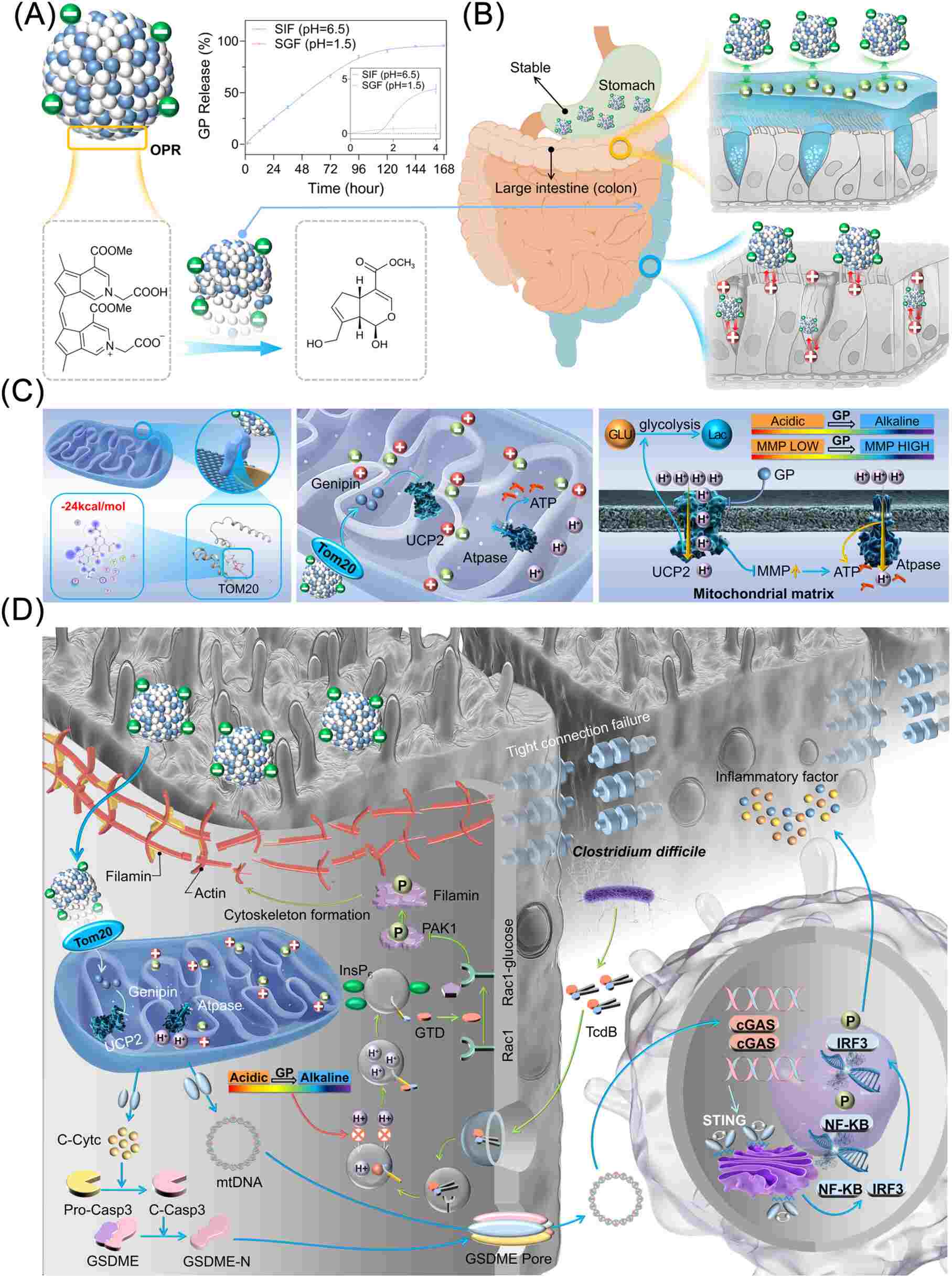
Research on the mechanism of OPR restoring intestinal epithelial cell (IEC) structure and function in inflammatory bowel disease (IBD) treatment. (A) Schematic diagram of OPR structure and the rate of GP release under different conditions. (B) Schematic diagram of OPR targeting IBD colonic lesions through charge interaction. (C) After entering cells, OPR targets outer mitochondrial membrane (OMM) proteins and releases GP. The released GP restores MMP by inhibiting UCP2 protein, thereby restoring mitochondrial function. (D) ① ROS is activated during mitochondria damage through GSDME signal and promotes pyroptosis in IECs. ② Mitochondrial damage and release of mtDNA from IECs are sensed by macrophages, and activate the STING pathway. ③ Clostridium difficile disrupts the cytoskeletal network of IECs through the release of TcdB, which mediates the glycosylation of Rac1. ④ OPR targets (OMM) proteins to clear ROS while releasing UCP2 inhibitor (GP) to restore mitochondrial function and inhibit cytoplasmic acidification to resist the toxic effects of TcdB.
The role of the gut microbiome in the regulation of high-altitude adaptation
- 19 January 2026
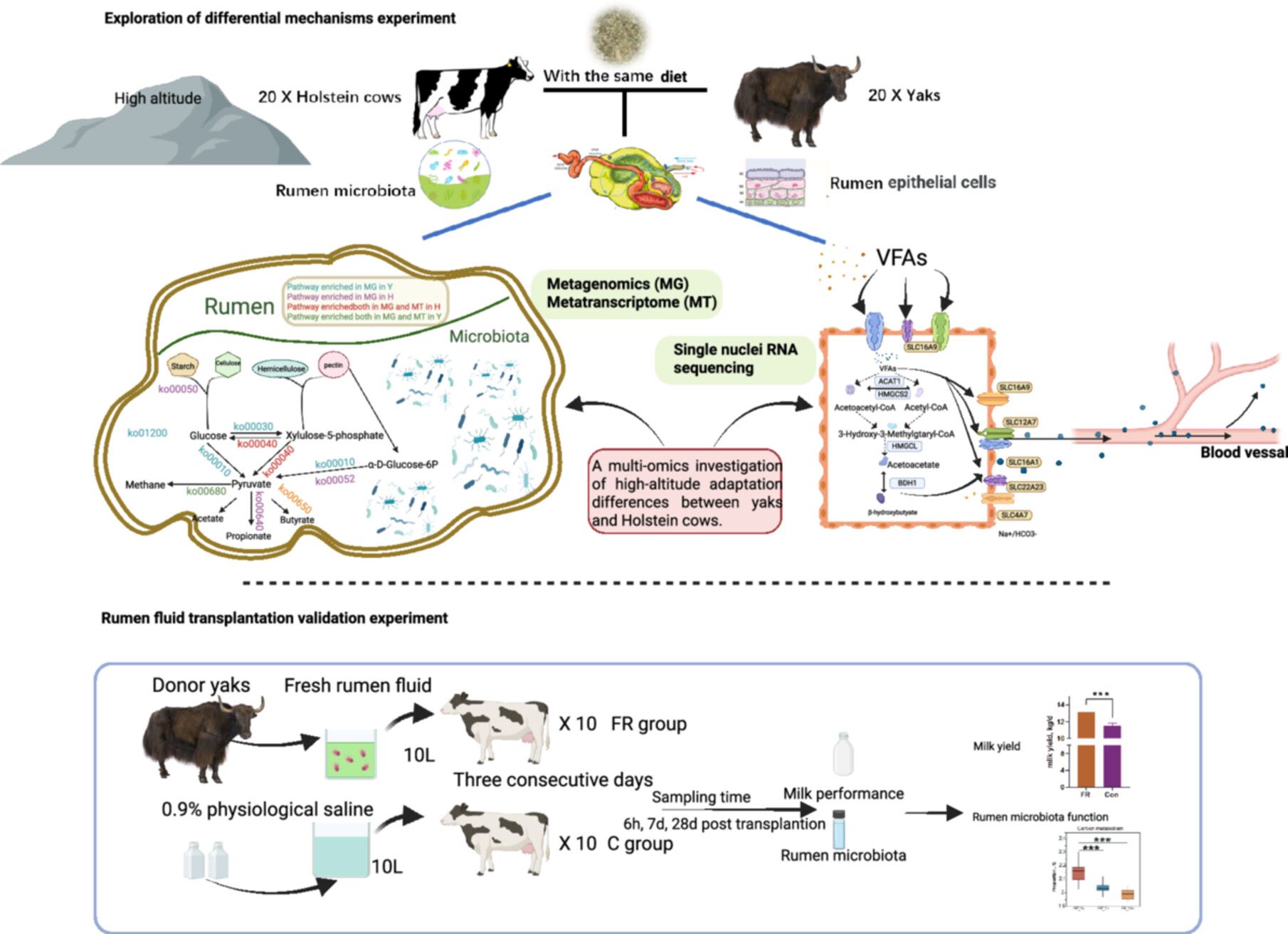
This study is the first to elucidate mechanisms of high-altitude adaptation from the perspective of the rumen ecosystem by using indigenous yaks and Holstein cows that have lived at high altitude since birth as comparative models. Through a systematic comparison of their rumen ecology using multi-omics approaches—including rumen metagenomics, metatranscriptomics, and single-nucleus transcriptomics—we identified distinct adaptive strategies employed by the two species under extreme plateau environments. Specifically, the rumen microbiota of yaks was enriched in central carbon metabolism pathways, whereas the microbiota of Holstein cows was enriched in pathways related to the degradation of specific complex carbohydrates. Concurrently, yak rumen epithelial cells exhibited increased expression of genes associated with ketone body metabolism, along with higher pathway activity scores for ketone body biosynthesis and fatty acid beta-oxidation. Moreover, we introduced rumen fluid transplantation from yaks for the first time and observed that, under the conditions of this study, yak microbiota transplantation increased milk yield in Holstein cows. After transplantation, the carbon metabolism of the rumen microbiota gradually declined, further confirming the key role of the rumen microbiota in regulating host energy supply in the context of yak high-altitude adaptation. Overall, this study deciphers the mechanisms by which gastrointestinal microbiota contributes to high-altitude adaptation in ruminants and provides a new perspective for addressing challenges related to adaptation to high-altitude environments.
Fast bootstrap and reliable readout using hidden references for DNA data storage
- 11 January 2026
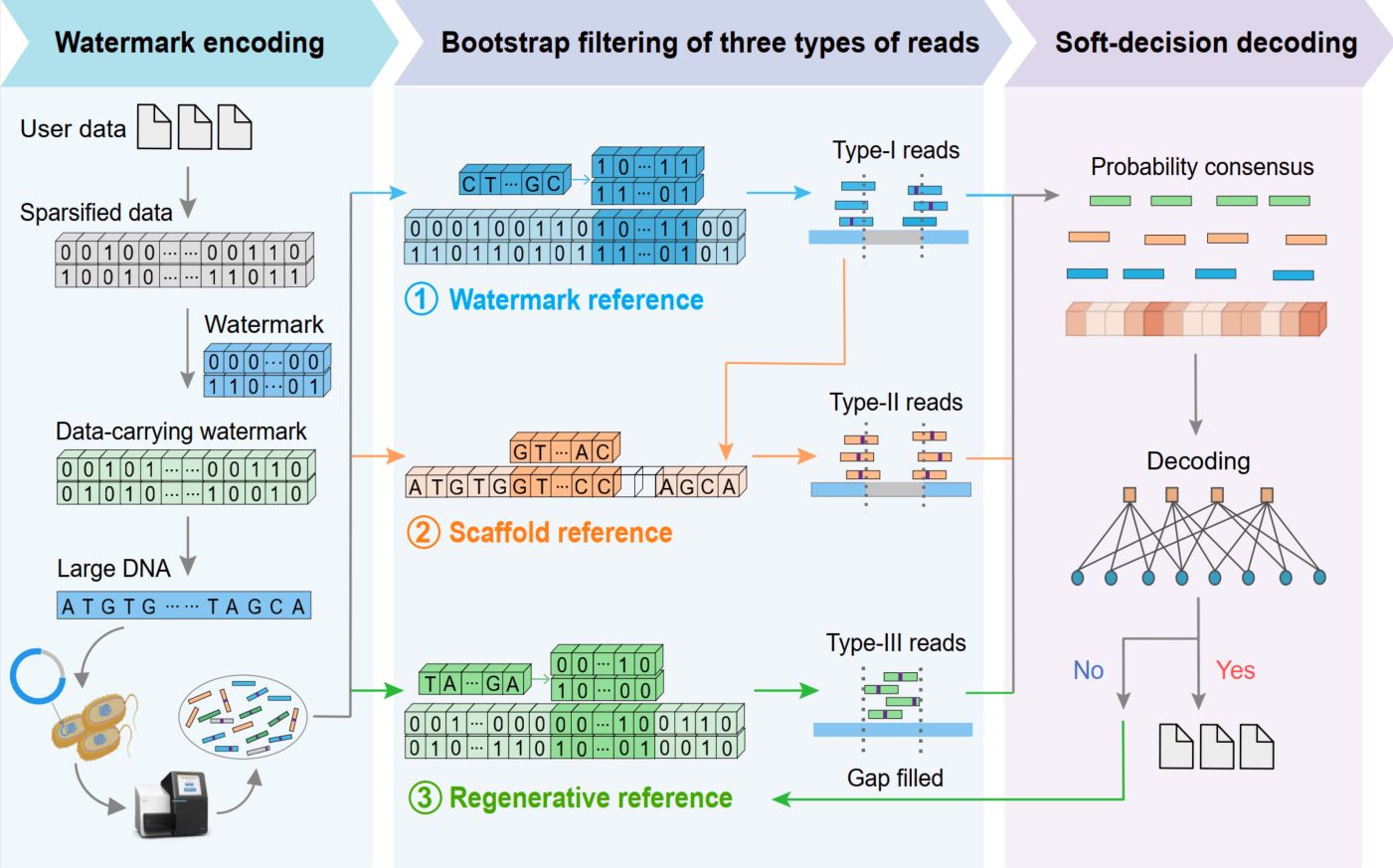
This study provides a bootstrap readout framework for DNA data storage based on multiple-fold hidden references. We employ a multi-stage alignment and error correction strategy, transforming the de novo readout into a resequencing-like workflow. Correlation to the hidden watermark reference identifies low-error-rate reads, and bit-wise consensus generates soft-decision information, enabling fast data recovery. In the presence of indels, the read-by-read forward–backward algorithm corrects indel errors, and alignment to the regenerative reference fills in low-coverage regions, enabling reliable data recovery.
Construction of a clickable probe-based protein chip platform for discovering covalent mIDH1 inhibitors from natural medicinal extracts
- 12 February 2026
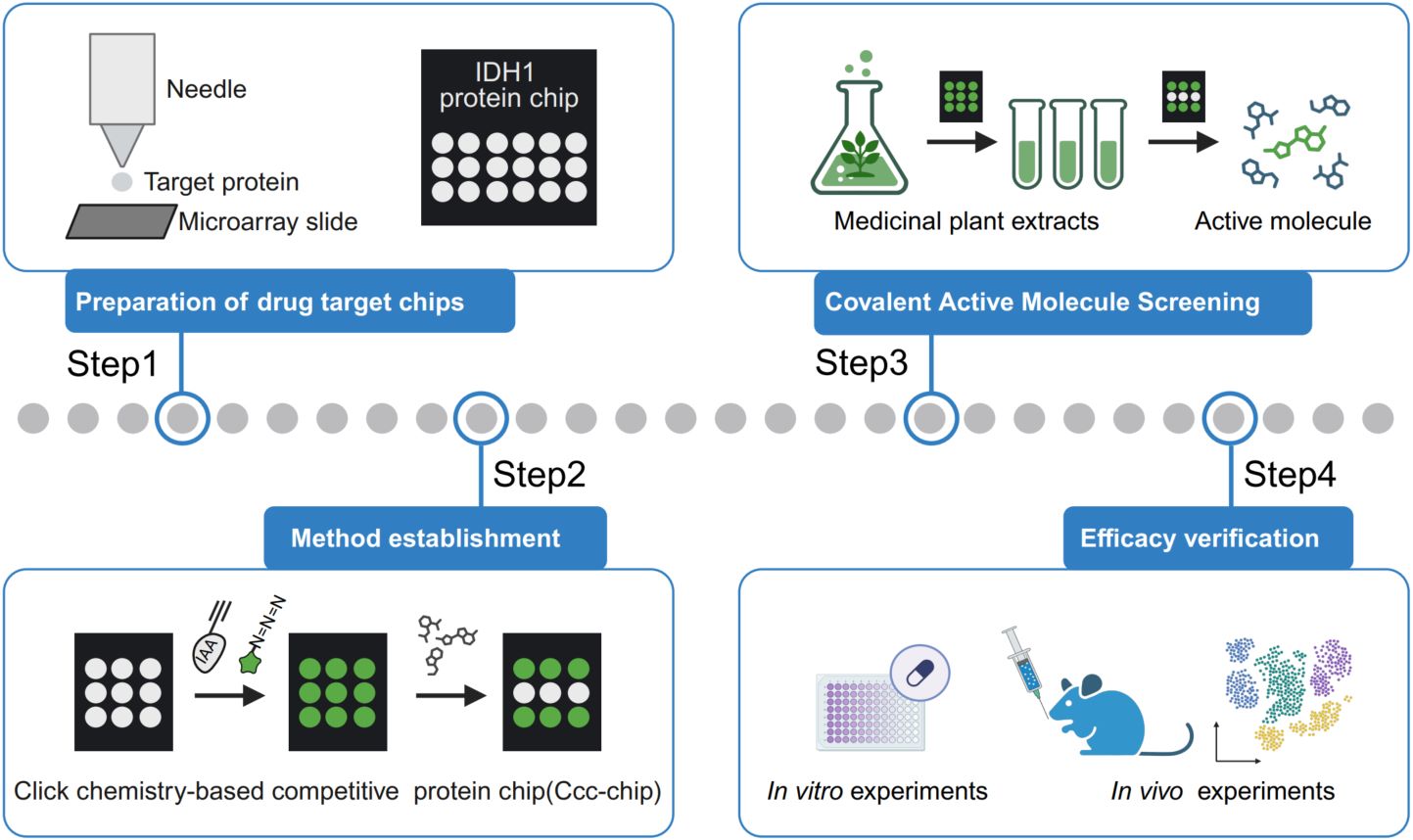
In this study, we develop a flexible Ccc-Chip (protein microarray + bioorthogonal click chemistry) for high-throughput screening of natural covalent active molecules from medicinal plant extracts, identifying flavokawain C from Piper methysticum Forst as a novel covalent mIDH1 inhibitor.
Curcuminoids amplify host innate antiviral immunity via the CRYAB-RBM26 axis in viral infection
- 24 February 2026
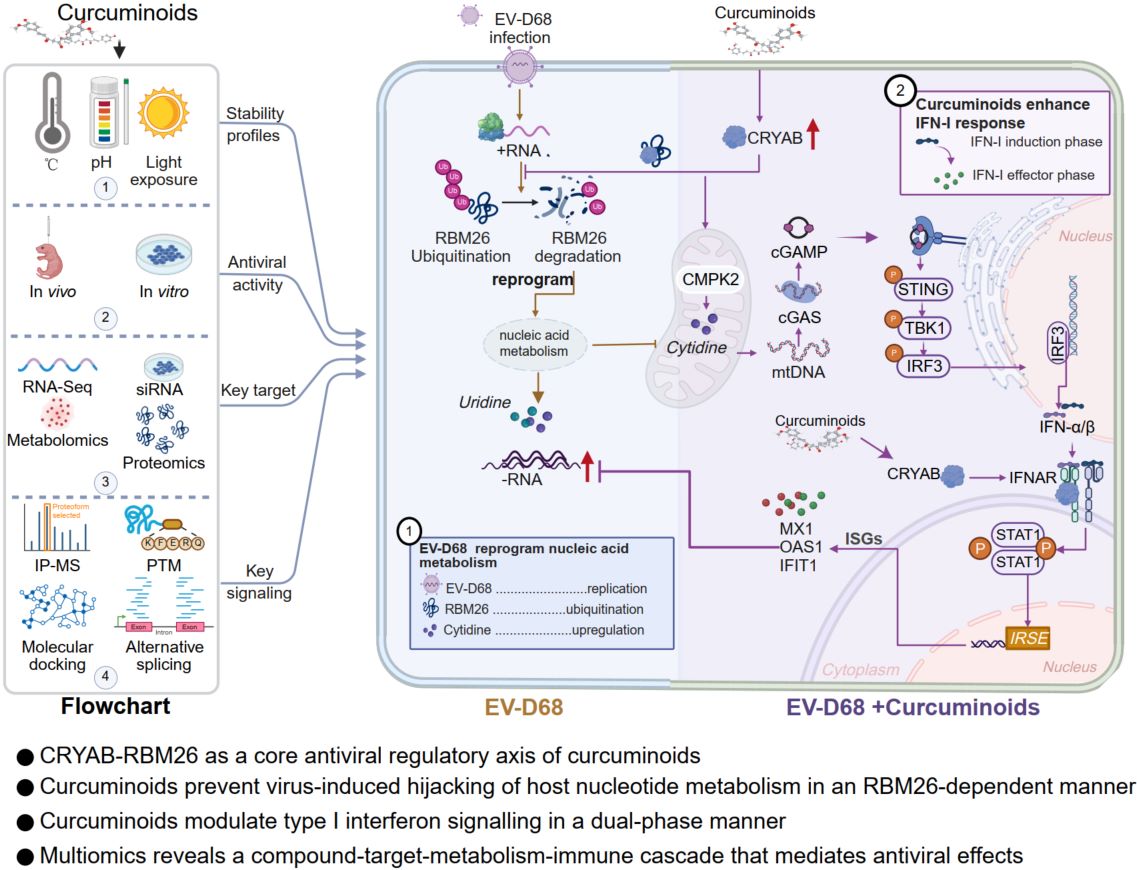
DMC/CUR antagonize viral hijacking of host nucleic acid resources and finely regulate the induction and effector phases of the type I interferon (IFN-I) pathway through the CRYAB-RBM26 axis. This molecular axis serves as a key downstream regulator for DMC/CUR activation of the IFN-I pathway.
Inhibition of ferroptosis by microbiota-derived lithocholic acid underlies the intestinal radioprotection of a host defensin-derived oligopeptide
- 19 February 2026
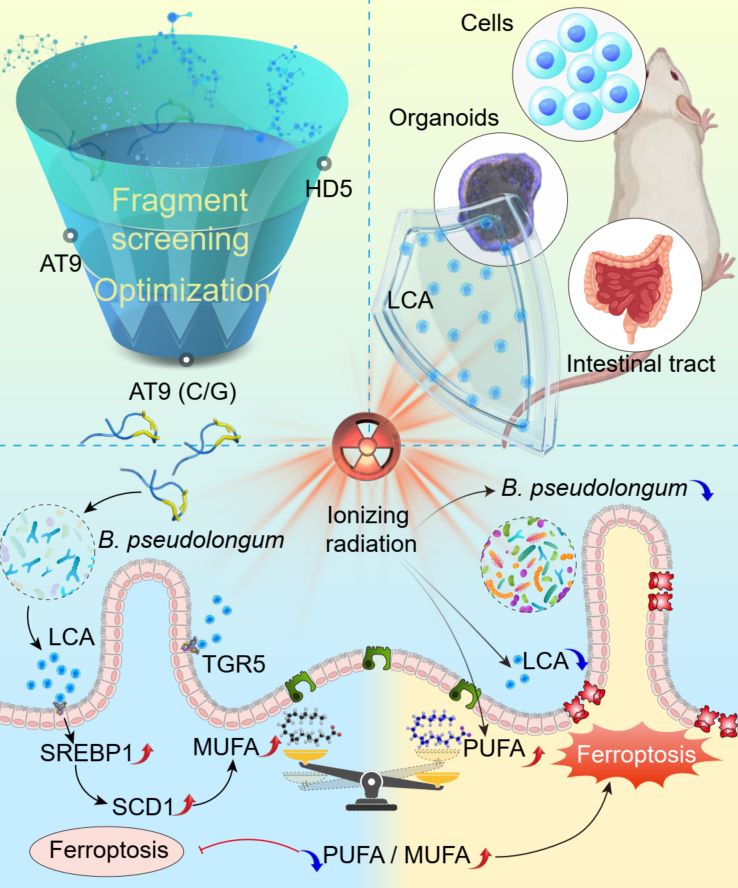
AT9(C/G), an oligopeptide derived from human defensin 5, enriches Bifidobacterium pseudolongum and increases lithocholic acid (LCA) levels in the intestine. Reduced levels of LCA link to increased severity of ionizing radiation-induced intestinal injury (IRIII) in both murine and clinical studies. Administration of LCA confers radioprotection across cells, mouse models, and human small intestinal organoids. Mechanistically, LCA activates Takeda G protein-coupled receptor 5 (TGR5) and leads to the upregulation of sterol regulatory element-binding protein 1 (SREBP1), which transcriptionally modulates stearoyl-CoA desaturase 1 (SCD1) to catalyze monounsaturated fatty acid production, thereby suppressing ferroptosis in irradiated cells. Leveraging the radioprotective properties of LCA, AT9(C/G) effectively mitigates IRIII.
A bioactive ginsenoside alleviates hepatocellular ferroptosis induced by oxidized phospholipid accumulation in nonalcoholic steatohepatitis
- 03 March 2026
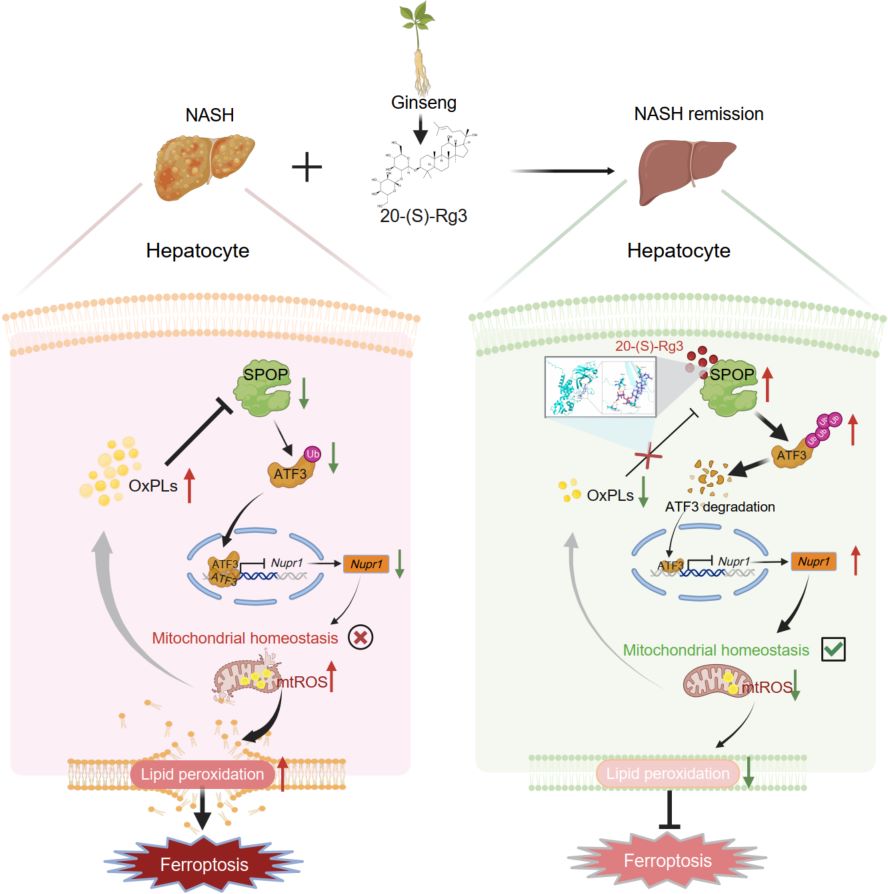
Schematic representation showing that 20 (S)-Rg3 improves mouse NASH. 20(S)-Rg3 reduces OxPLs levels and ameliorates ferroptosis in the liver of NASH mice. Mechanistically, 20(S)-Rg3 activates SPOP. Meanwhile, SPOP attenuates the ATF3-mediated transcriptional repression of NUPR1 by enhancing the K48-linked ubiquitination of ATF3. Upregulated NUPR1 rescues redox balance and reduces lipid peroxidation, ultimately inhibiting hepatocellular ferroptosis.
CAT-BLAST: Engineered bacteria for robust targeting and elimination of cancer-associated fibroblasts
- 05 January 2026
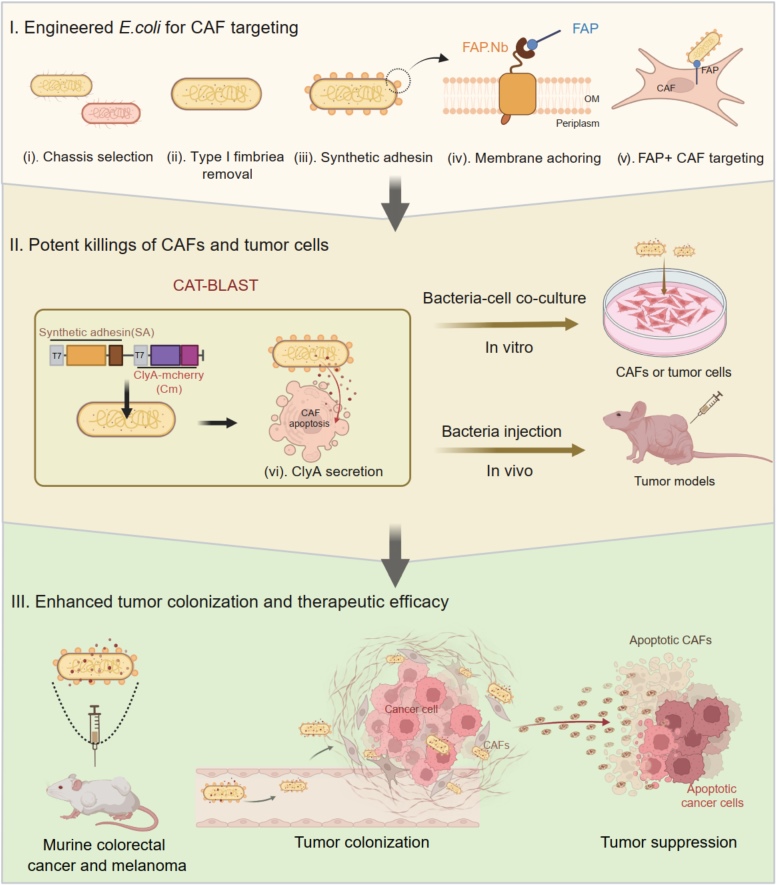
Cancer-associated fibroblasts (CAFs) construct a protective stromal barrier that promotes tumor growth and resistance to therapy. To dismantle this, we developed CAT-BLAST, an engineered bacterial platform designed to potently eliminate these cells. We engineered a safe, high-expression E. coli chassis, arming it with a FAP-specific synthetic adhesin for precise CAF targeting and the ability to secrete the ClyA cytotoxin to induce apoptosis in both CAFs and adjacent tumor cells. This platform demonstrated robust, FAP-specific targeting across diverse human tumor xenograft models and achieved significant tumor suppression in both murine colorectal cancer and melanoma.
Host-driven hepatic conversion of gut microbiota-derived putrescine to spermidine mediates mannose's protective effects against hepatic steatosis in zebrafish
- 20 December 2025
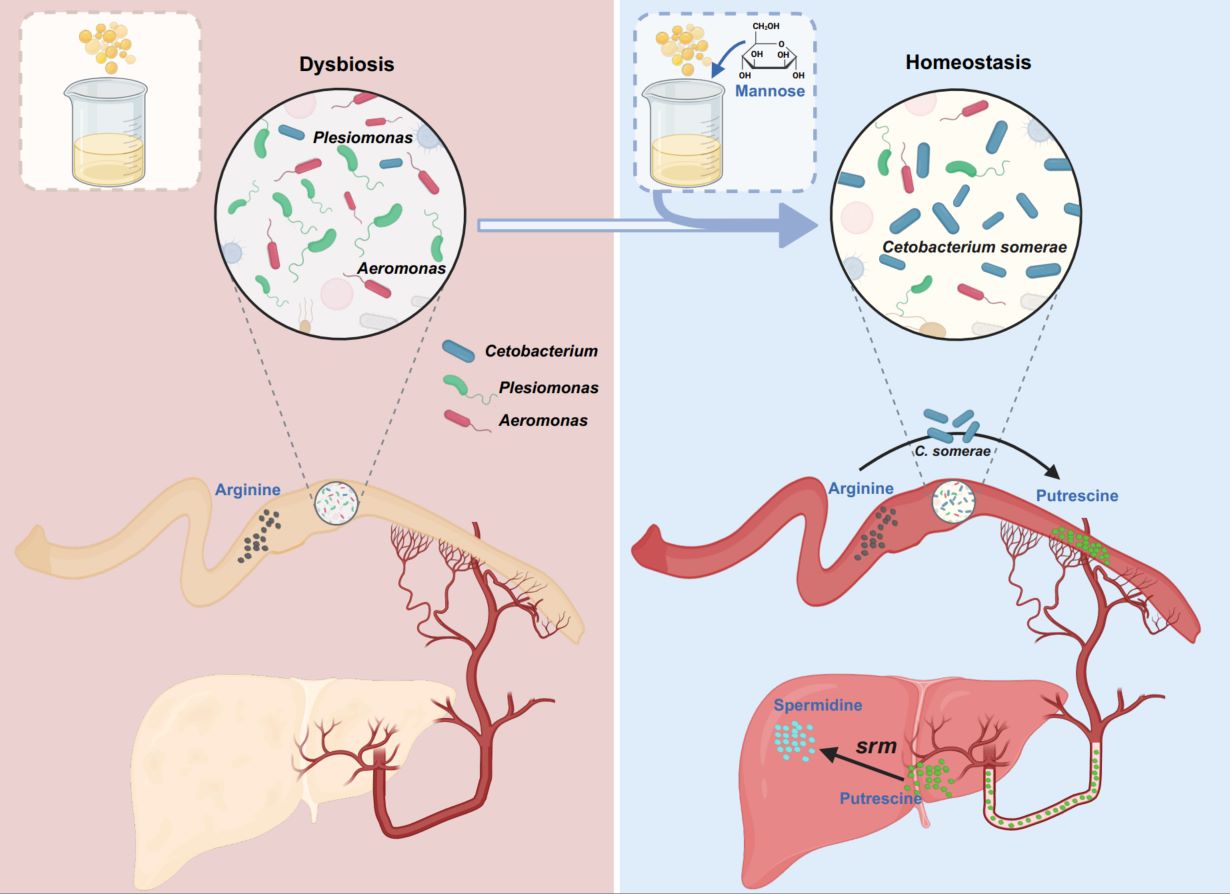
Evidence for liver metabolism of gut-derived microbial compounds into beneficial secondary metabolites has been lacking. Here, we demonstrate that Cetobacterium somerae (C. somerae), enriched by mannose supplementation under high-fat diet conditions, convert arginine into putrescine. The liver subsequently converts this microbial-derived putrescine to spermidine, which functions as an effector molecule to reduce hepatic lipid accumulation. These findings uncover a novel host-microbiota collaborative mechanism in which the arginine-putrescine-spermidine metabolic pathway is completed through inter-kingdom cooperation to ameliorate hepatic steatosis.
Nano-plastics disrupt systemic metabolism by remodeling the bile acid–microbiota axis and driving hepatic–intestinal dysfunction
- 31 December 2025
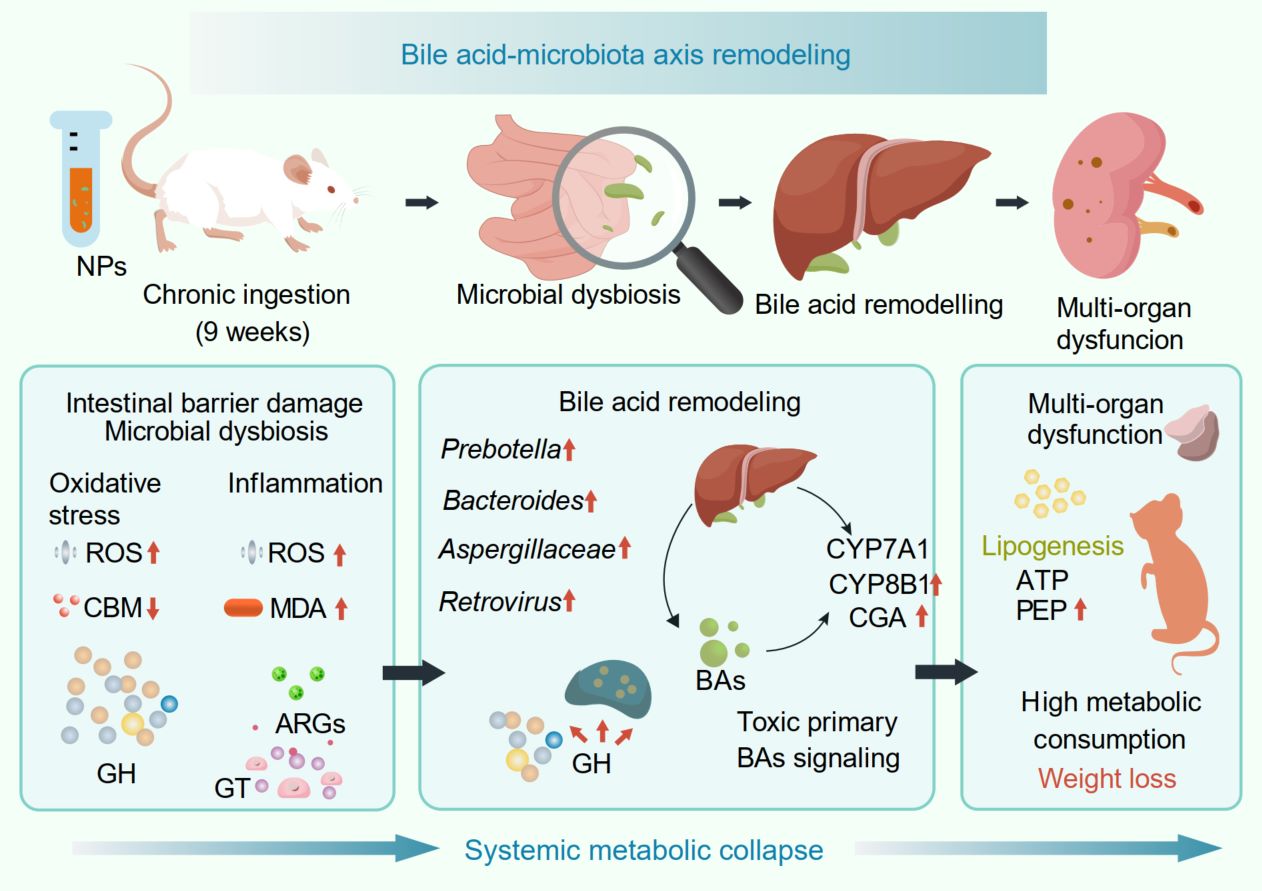
The pervasiveness of microplastic pollution poses a growing health risk, yet its long-term metabolic consequences remain poorly defined. Here, we exposed mice to polyethylene terephthalate nanoparticle (NP) and combined histopathology, biochemistry, metabolomics, and metagenomics to resolve their interactions. NP ingestion induced a severe systemic phenotype characterized by weight loss, organ atrophy, dyslipidemia, and gut barrier collapse. Mechanistically, NPs disrupted bile acid (BA) homeostasis by hyperactivating hepatic synthesis pathways while suppressing microbial 7α-dehydroxylation. This accumulation of cytotoxic BAs drove hepatic lipogenesis and aggravated mucosal inflammation. Crucially, metagenomics uncovered significant gut microbiota dysbiosis, where the enrichment of bile salt hydrolase-encoding taxa and depletion of 7α-dehydroxylating clades reinforced this BA imbalance. Furthermore, the microbiota exhibited functional deterioration, shifting toward glycan degradation with a concurrent loss of antibiotic resistance genes, signaling reduced ecological resilience. These findings identify BA dysregulation and specific microbiota functional losses as primary drivers of NP-induced systemic metabolic collapse.
BIOME cohort: Multi-system microbiome dynamics and clinical outcomes in massive burn injury patients
- 29 January 2026
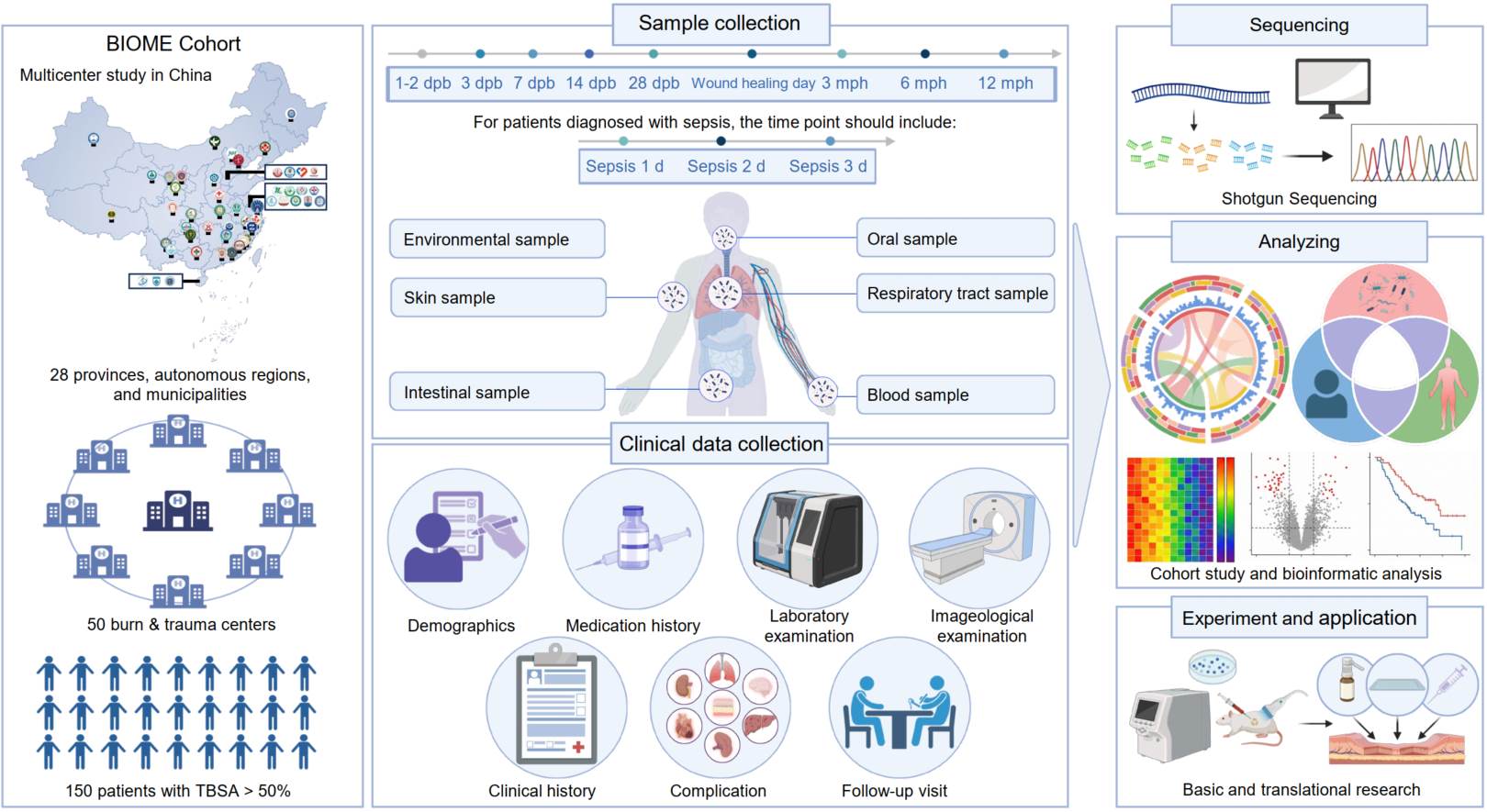
Massive burn injuries (MBIs) are associated with high mortality and disability rates, primarily due to microbial-driven sepsis from extensive skin barrier loss and subsequent scar formation. This makes MBI a compelling model for studying multi-system microbial dysbiosis following skin barrier destruction. We launched the Burn & Trauma Injury Organisms and Microbiome Ecology (BIOME) project, planning to enroll at least 150 MBI patients from 50 hospitals across 28 provinces, autonomous regions, and municipalities in China. The cohort includes skin swabs, intestinal and oral samples, and longitudinal clinical data collected from within 72 h post-injury through 1 year of follow-up. This multicenter, prospective, longitudinal cohort will establish a comprehensive clinical microbiota resource for patients with MBI. By integrating multi-system microbiome profiling with clinical outcomes, the BIOME project aims to elucidate the translational role of microbiota reconstruction as a potential target for diagnosis, prognosis, and therapeutic intervention in severe burn care.
Climate factors drive the local adaptation of Old World cattle
- 09 February 2026
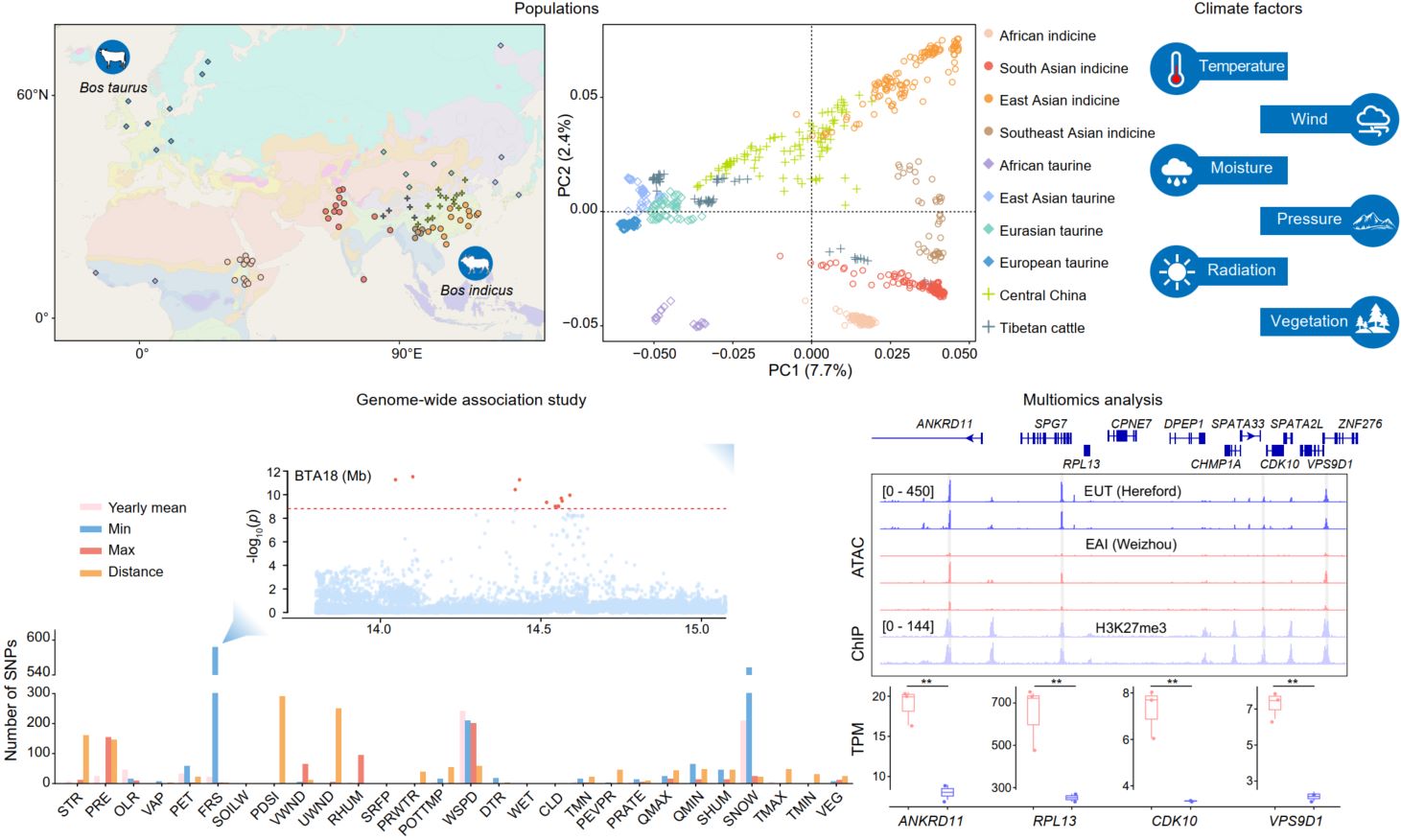
Climate adaptation genomics of cattle. We comparatively analyzed genomic data from 85 Old World cattle breeds/populations of Eurasia and Africa to identify genetic factors associated with climate factors. Environmental genome-wide association studies revealed 3165 single-nucleotide polymorphisms (SNPs) with strong correlations between climate factors and allele frequencies. We also identified loci that were significantly associated with temperature factors in the regulatory regions, such as promoter regions, of genes (ANKRD11, RPL13, CDK10, and VPS9D1) under strong selection pressure on Bos taurus autosome 18, which might regulate the expression of these genes. These significantly associated SNPs could be used as potential resources for marker-assisted breeding programs aimed at climate resilience and sustainable cattle production under changing environmental conditions.
Majorbio Cloud 2026 provides comprehensive analysis workflows for microbiome
- 05 February 2026
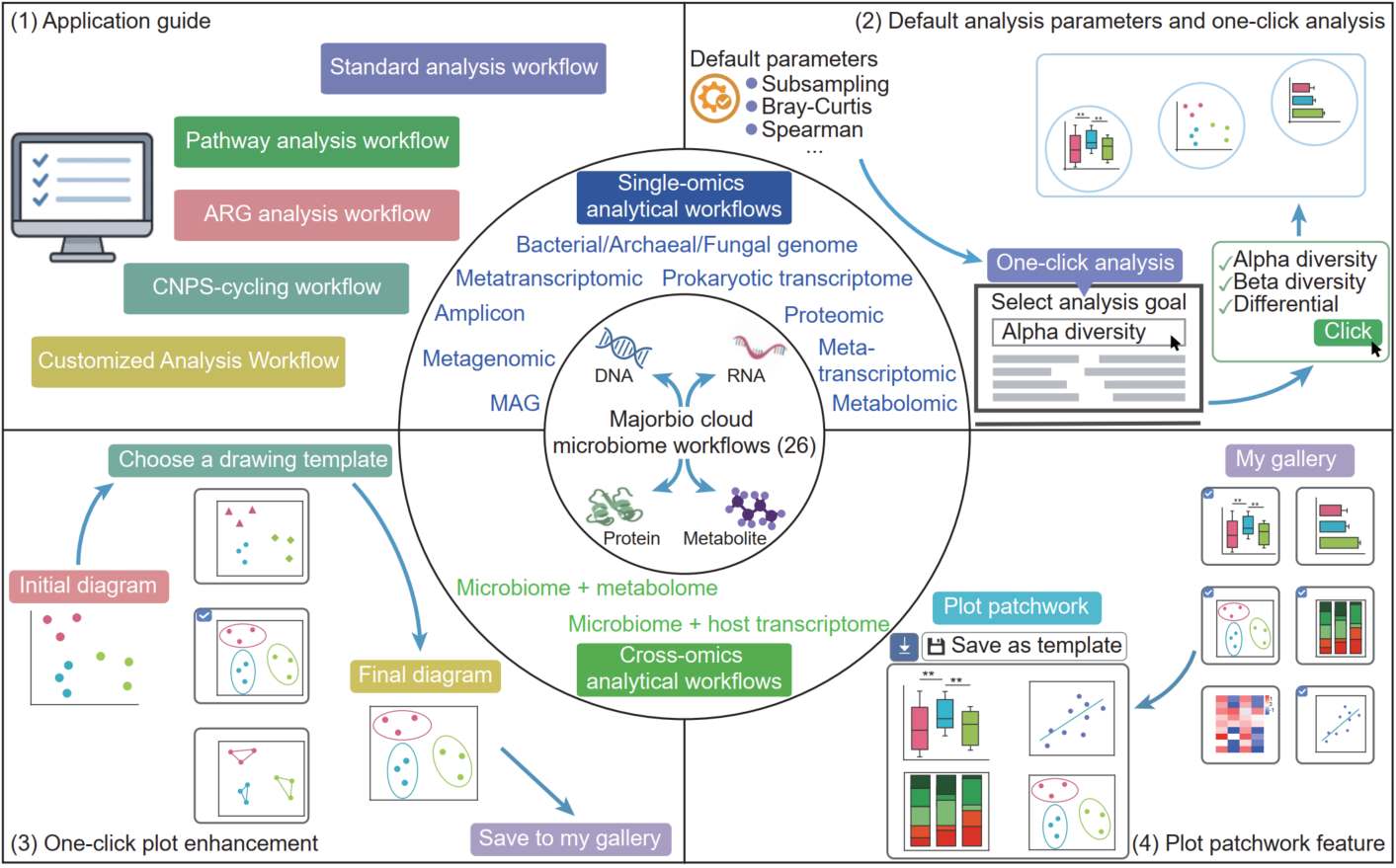
The integrated microbiome data analysis platform on Majorbio Cloud (https://cloud.majorbio.com/) encompasses 26 analytical workflows, with a core architecture of two modules: single-omics workflows and cross-omics integration and correlation workflows. The platform supports multi-scale microbiome research (strain to community levels) and cross-omics analyses spanning DNA, RNA, protein, and metabolite layers. The platform features four key functions: (1) Application guide, streamlines analytical workflows for user convenience; (2) Default analysis parameters and one-click analysis, enables one-step data processing; (3) One-click plot enhancement, optimizes figures to meet academic publication standards; (4) Plot patchwork feature, stores optimized images in my gallery, facilitates the creation of publication-ready image composites, supports composite downloads in PDF/PNG/SVG formats, and allows the preservation of patchwork templates for subsequent applications. By late 2025, the platform has facilitated over 5,050 scientific publications, accelerating microbiome research advances.