
A spatiotemporal single-cell atlas of porcine development reveals regulatory dynamics and cellular targets of domestication
- 04 June 2026
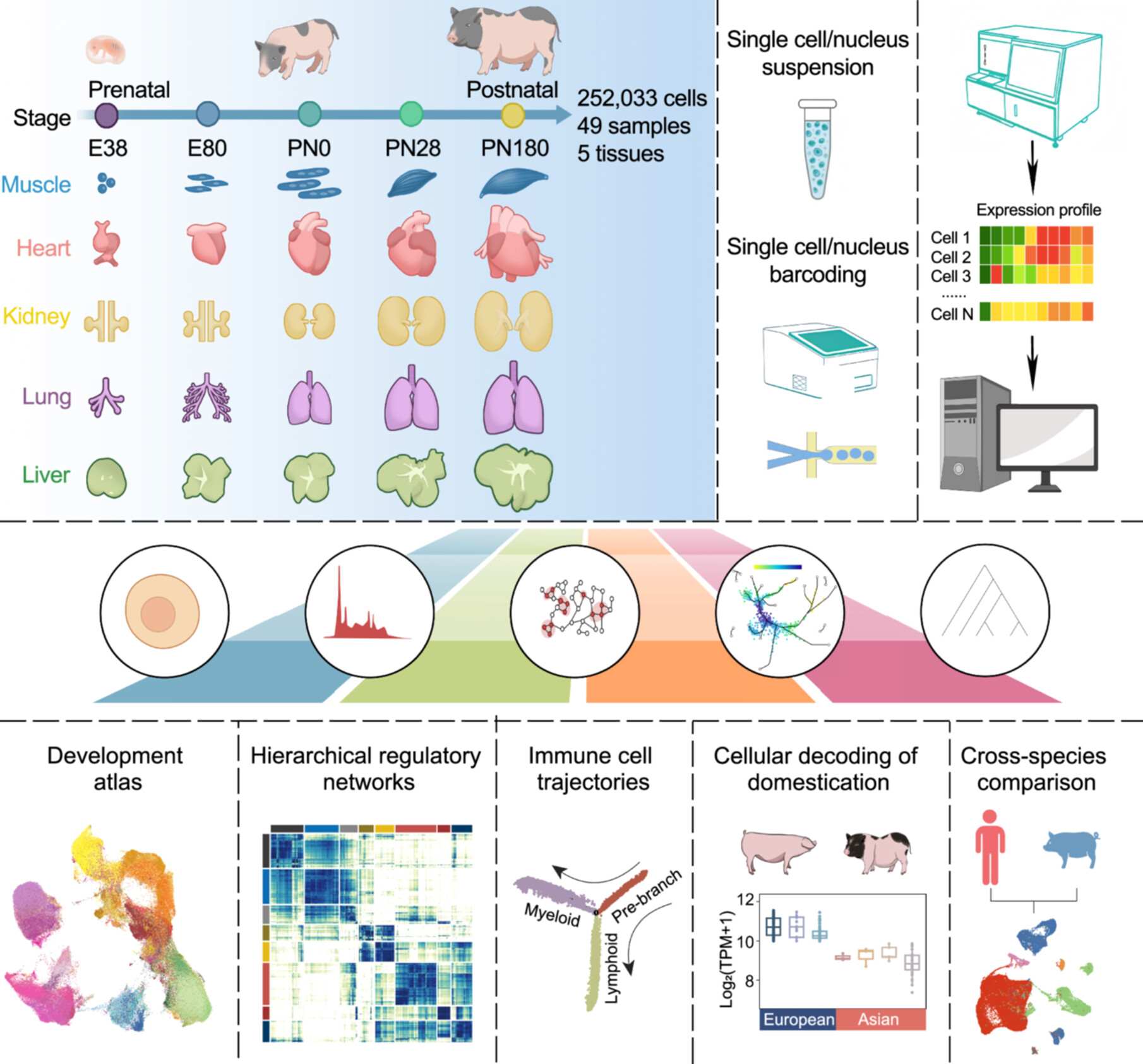
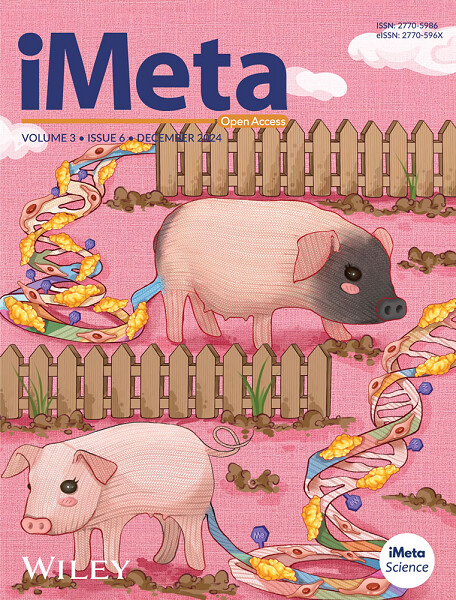
This study presents a cross-tissue, single-cell/single-nucleus transcriptomic atlas spanning from prenatal to postnatal developmental stages in pig, characterizing 83 distinct cell types from 252,033 cells. Through the construction of cross-tissue transcriptional regulatory networks and pseudotime trajectories, we revealed that organogenesis is driven by the coordinated processes of stem/progenitor cell proliferation, lineage specification, and functional maturation. Trajectory analysis further uncovered a conserved transcriptional bifurcation pattern associated with immune cell diversification. By integrating population genomics data, a muscle-specific enhancer near the MYOT gene was identified that shows signatures of selection and is associated with divergence in meat quality. Cross-species comparisons confirmed substantial cellular conservation with humans. Collectively, this atlas serves as a key resource for understanding mammalian development, informing precision breeding strategies, and advancing the pig as a biomedical model.
microeco 2: A comprehensive R package for downstream analysis of microbiome omics data
- 16 May 2026
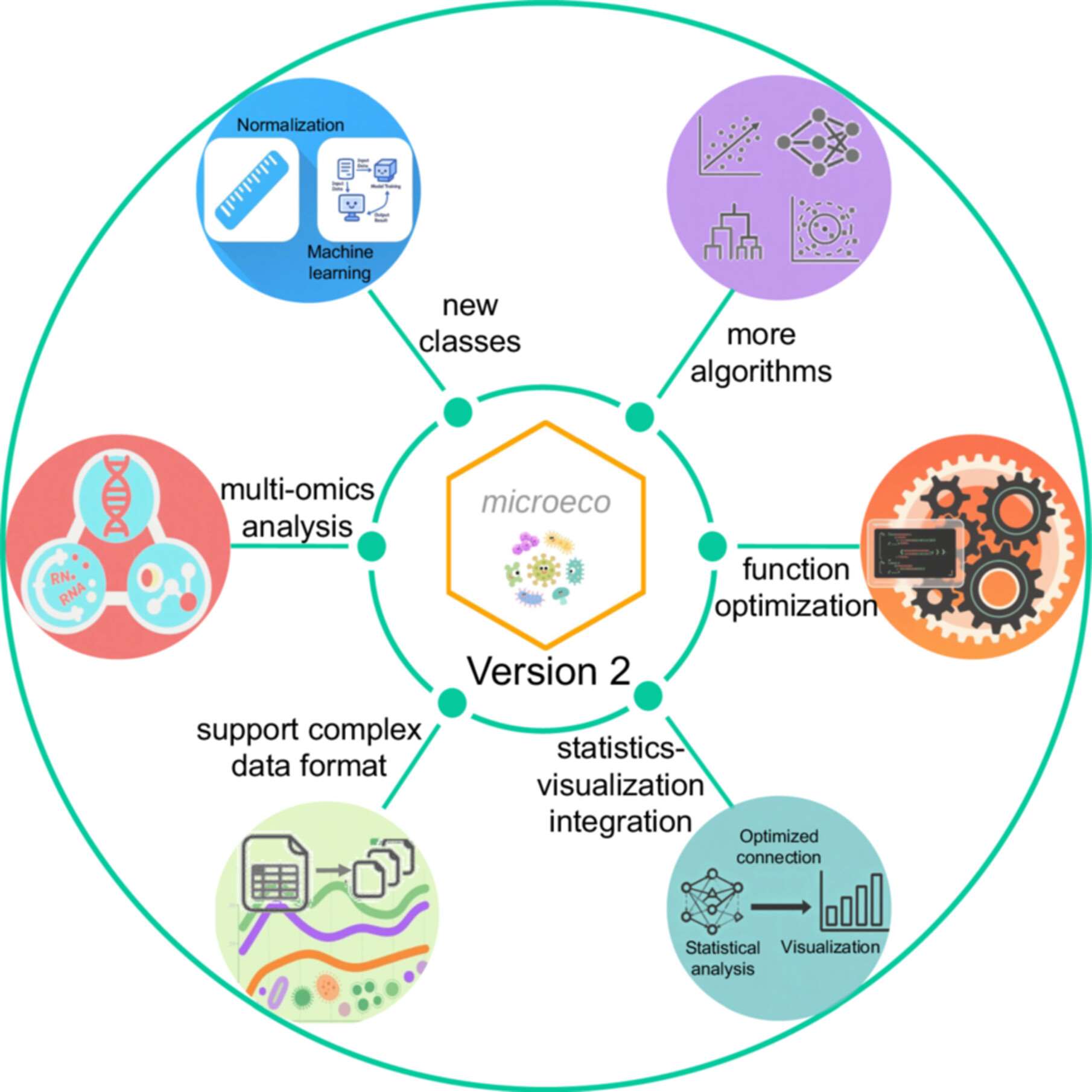
The current version 2.0 of the microeco package represents a substantial update compared to the previously published version. Key enhancements include the addition of new classes, integration of a broader suite of analytical methods, a comprehensive overhaul of the parameter system, improved connectivity between statistical analysis and visualization functions, enhanced capability to process complex-format metagenomic bioinformatics data files, and support for multi-omics data analysis.
Microbial keystone taxa and metabolic signatures in centenarians regulate intestinal homeostasis during aging
- 19 May 2026
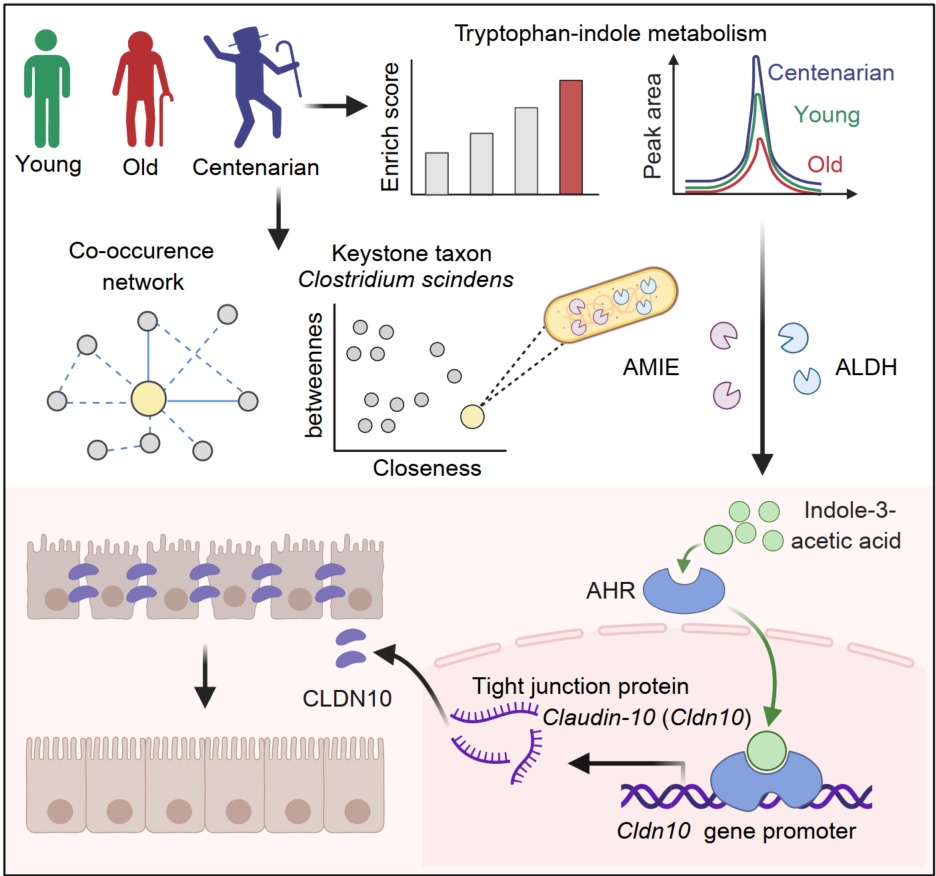
Clostridium scindens and its metabolite indole-3-acetic acid (IAA) are identified as a keystone taxon and metabolic signature in centenarians. Clostridium scindens enhances microbial network stability and produces IAA via its own amidase (AMIE) and aldehyde dehydrogenase (ALDH), thus promoting intestinal homeostasis by activating the aryl hydrocarbon receptor (AHR)-mediated Claudin-10 signaling in aged mice.
Decidual macrophage-mediated ferroptosis in trophoblasts leads to recurrent spontaneous abortion
- 14 June 2026
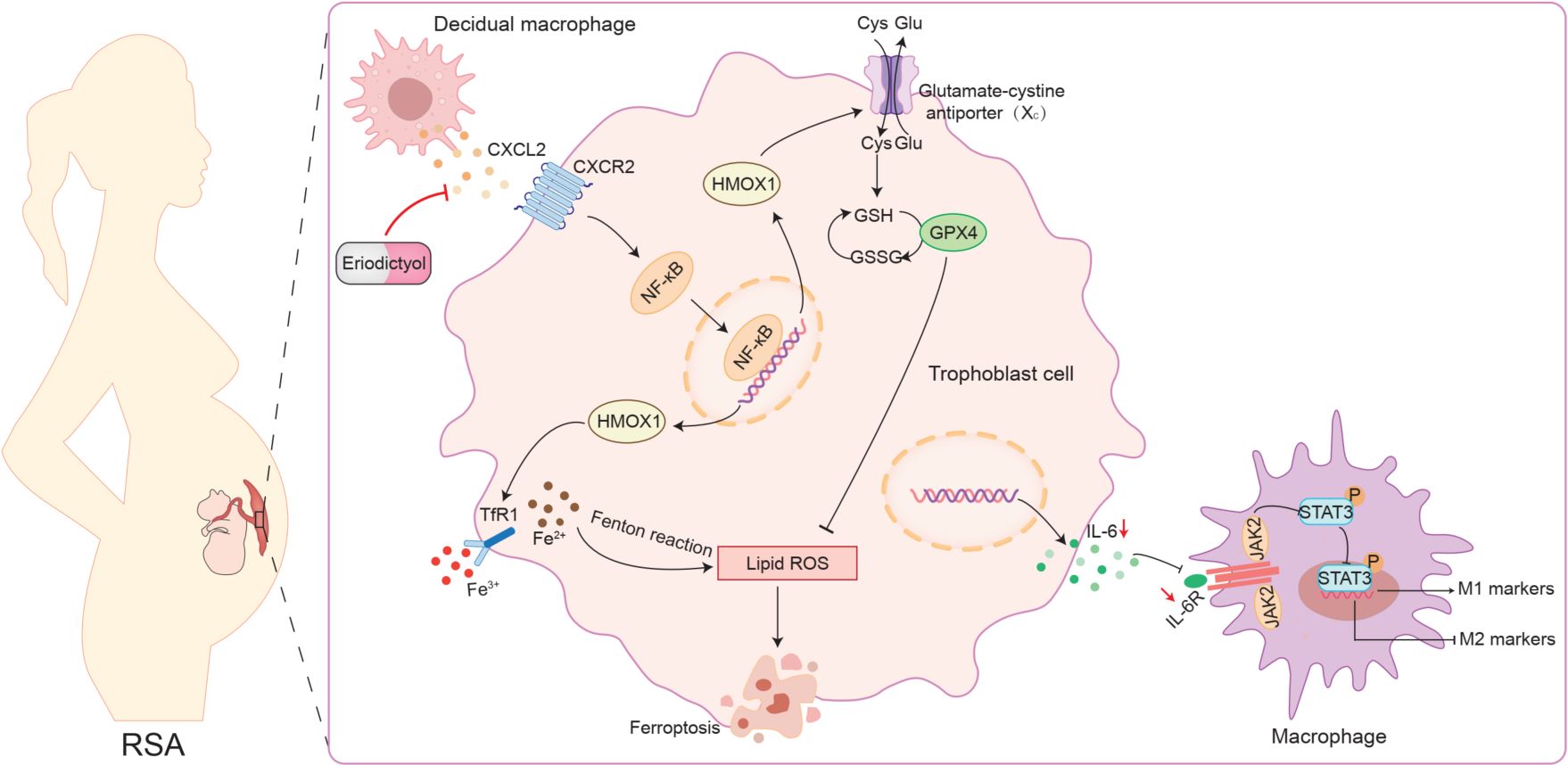
Decidual macrophages from recurrent spontaneous abortion (RSA) patients promote trophoblast ferroptosis and impair trophoblast cell function. Mechanistically, the CXCL2/NF-κB/HMOX1 axis mediates this effect. Conversely, trophoblasts co-cultured with RSA decidual macrophages induce pro-inflammatory macrophage polarization through IL-6/JAK2/STAT3 signaling. Eriodictyol exhibits CXCL2-axis-associated protective effects in RSA. These findings identify decidual macrophage-induced trophoblast ferroptosis as a key driver of RSA and suggest targeting this pathway may restore maternal-fetal tolerance.
Metal-dependent regulated cell death: Molecular architecture and translational frontiers
- 06 July 2026
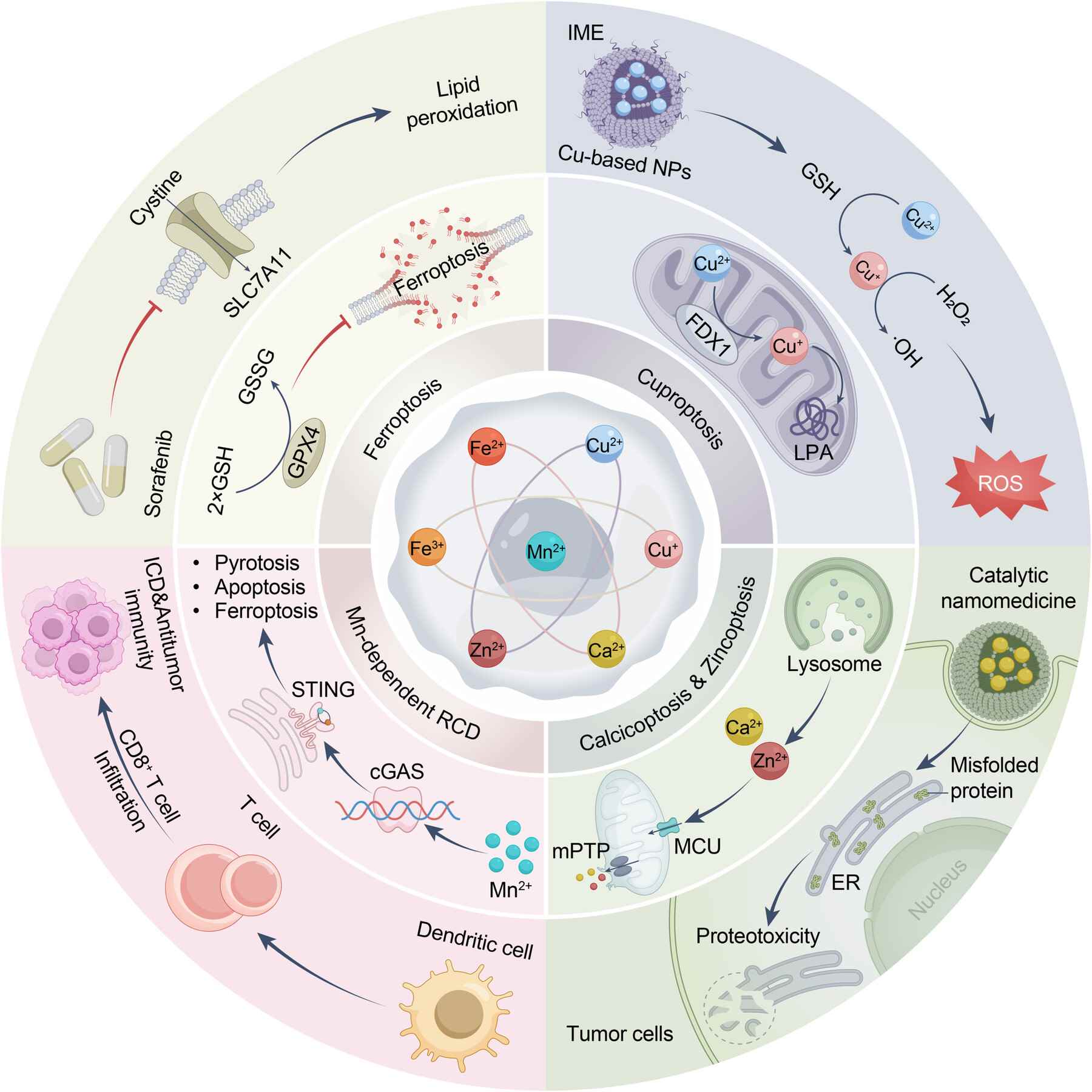
Intracellular metal dyshomeostasis orchestrates distinct regulated cell death programs, including iron-driven ferroptosis, copper-mediated cuproptosis, calcicoptosis, newly designated zincoptosis, mnoptosis, and coptosis. This review systematically delineates their molecular architectures—spanning from Sorafenib-induced lipid peroxidation and lipoylated proteotoxic stress, to mitochondrial calcium uniporter (MCU)-gated mitochondrial permeabilization. We further evaluate targeted bidirectional therapeutic strategies, highlighting how catalytic bioresponsive nanomedicines spatiotemporally amplify tumor-specific oxidative flux. Crucially, we examine how metal-induced immunogenic cell death and Mn2+-driven cyclic GMP-AMP synthase (cGAS)-stimulator of interferon genes (STING) hyperactivation systemically reshape immunosuppressive microenvironments, boosting CD8+ T cell infiltration to provide a definitive blueprint for translating next-generation precision metalloimmunotherapeutics.
Nanopore direct RNA sequencing and the epitranscriptome: Advances in mapping native RNA landscapes
- 01 July 2026
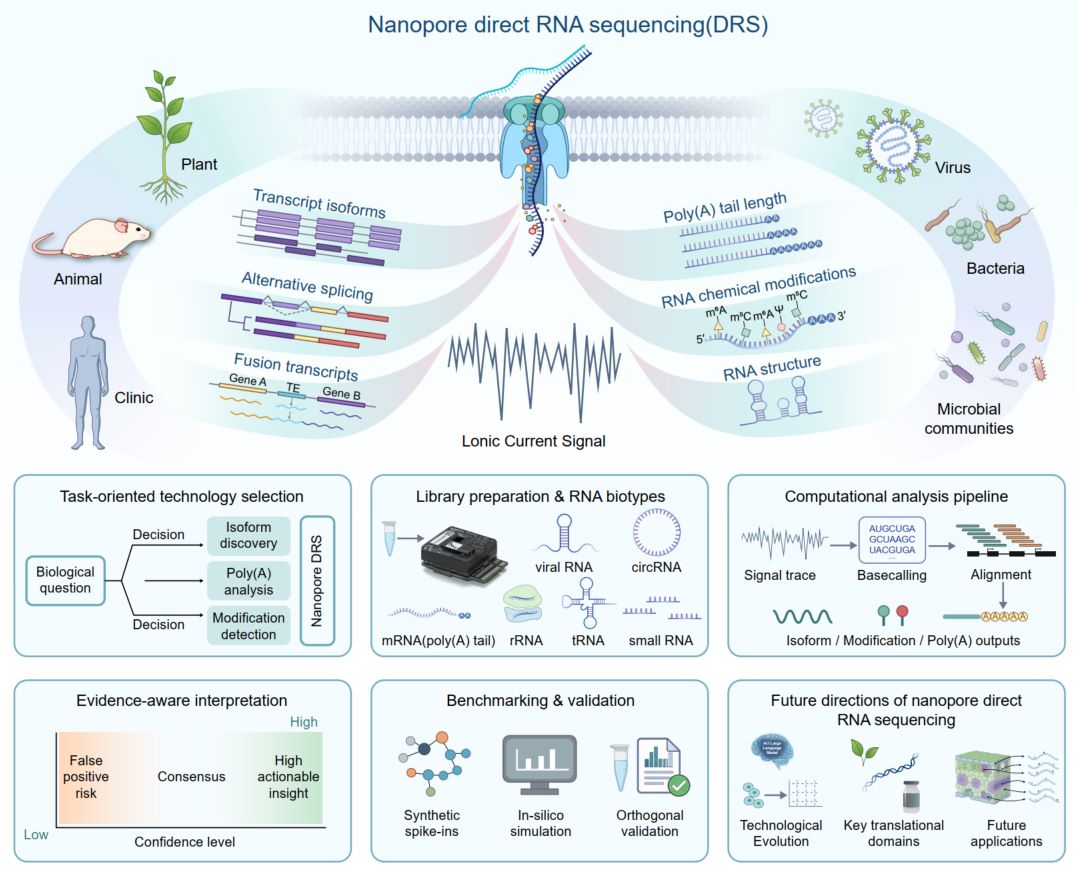
Nanopore direct RNA sequencing advances transcriptomics by capturing full-length transcripts and multiple RNA modifications; this review details its principles, workflows, tools, applications, challenges, and future research potential.
Spatial omics in the AI era: Technologies, algorithmic ecosystems, biological applications, and large model perspectives
- 06 July 2026
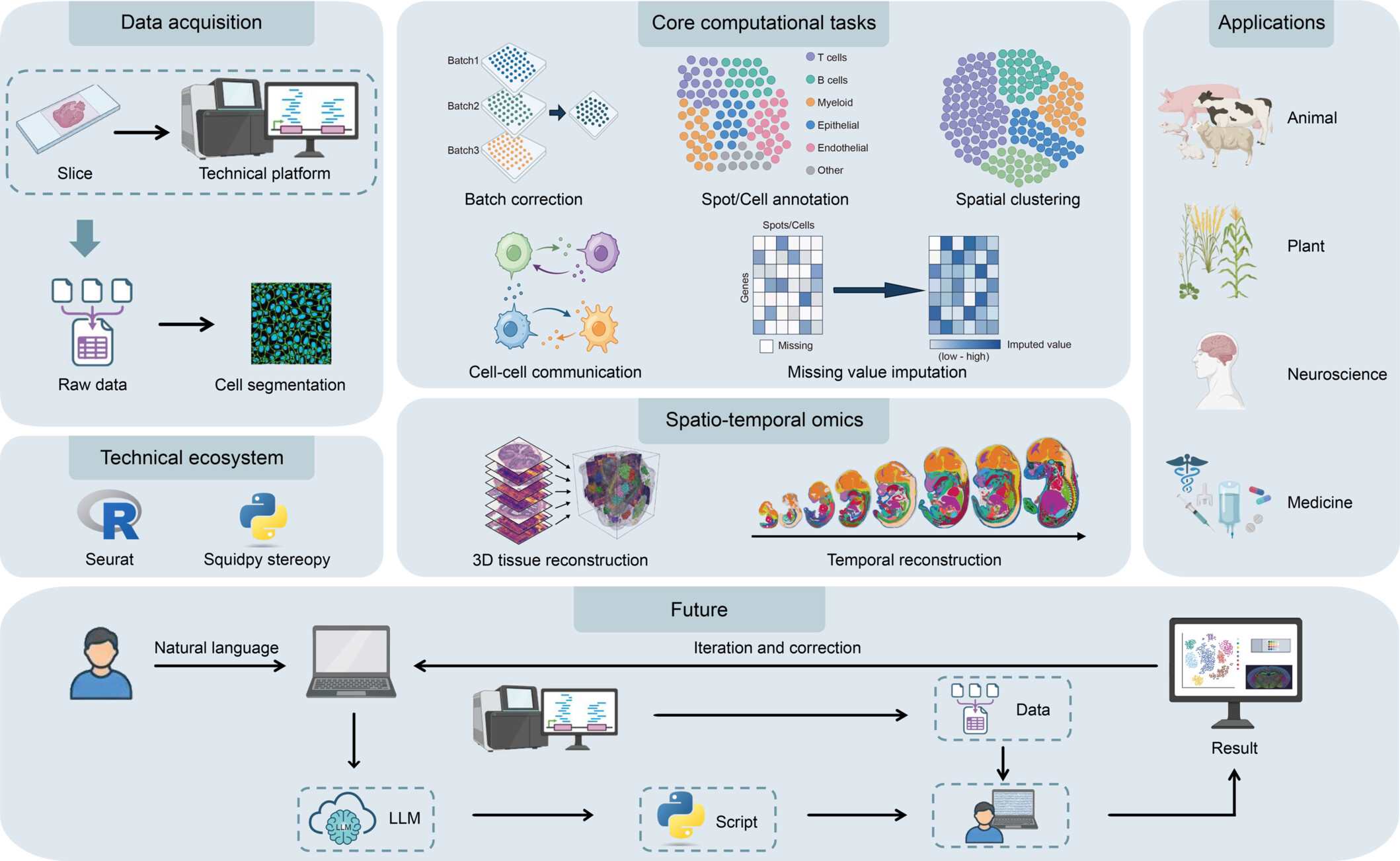
This review focuses on spatial omics, covering the introduction and comparison of technology platforms, explanation and recommendation of algorithm ecology, demonstration of biological applications, and prospect of large models. It aims to help researchers in the interdisciplinary field of spatial omics quickly understand the current situation and research pain points, and establish a comprehensive perspective on spatial omics.
Synthetic microbial communities for engineering climate-smart biofertilizers
- 11 June 2026
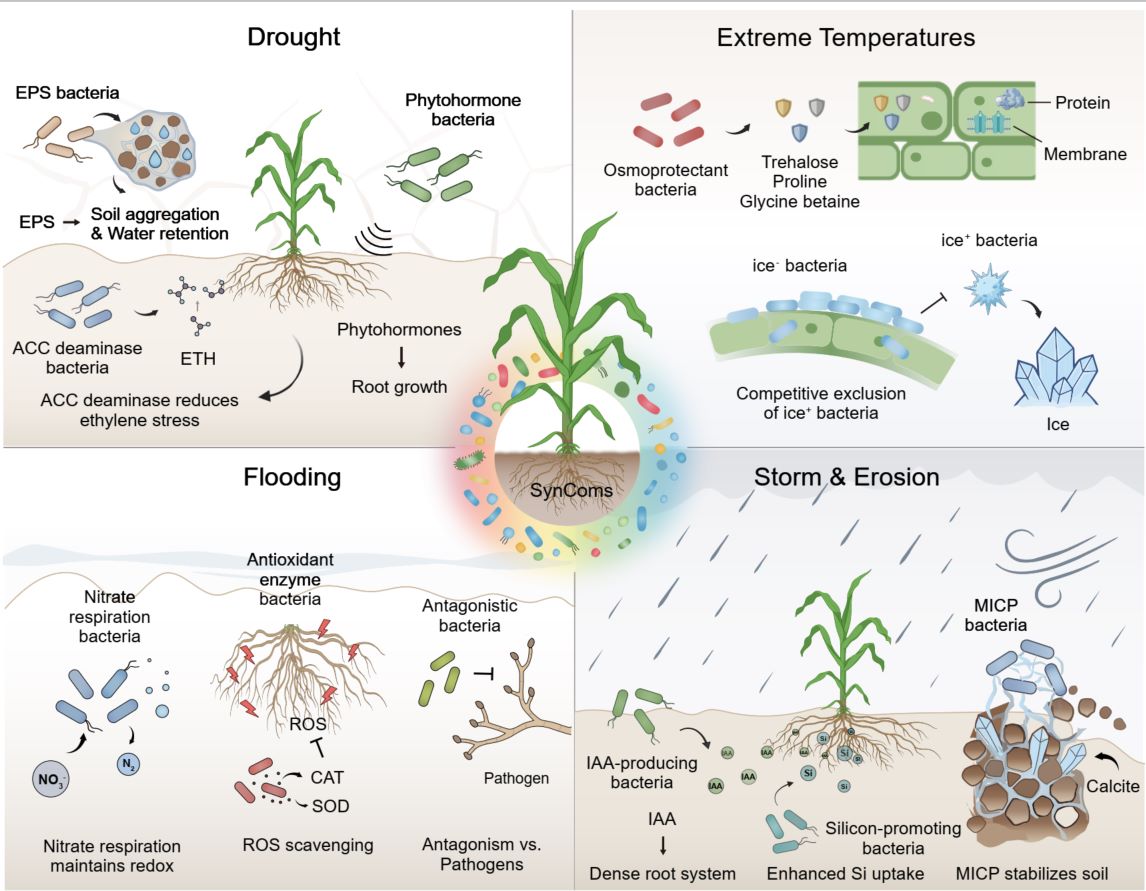
Global agricultural productivity is increasingly destabilized by climate change—driven droughts, floods, extreme heat, and severe storms. Although the climate-smart agriculture (CSA) framework addresses these challenges, implementation has focused mainly on plant genetics and agronomic inputs, leaving the adaptive potential of the crop microbiome underexplored. Here, we examine the agricultural use of synthetic microbial communities (SynComs) through the “crop holobiont” concept, in which plants and their associated microbiota function as an integrated, responsive system rather than through plant genomes alone. Pioneer plants in extreme environments may serve as reservoirs of stress-adapted microbes and provide a strategic toolkit for advancing CSA. SynComs assembled from these microbes can act not only as nutrient suppliers but also as dynamic physiological modulators that enhance crop phenotypic plasticity under climatic stress. We propose a roadmap for crop microbiology that integrates synthetic ecological engineering, with broad implications for CSA.
Antiviral defense systems drive persistence of antimicrobial-resistant bacteria but limit the transfer of antimicrobial resistance genes in anaerobic digestion
- 27 June 2026
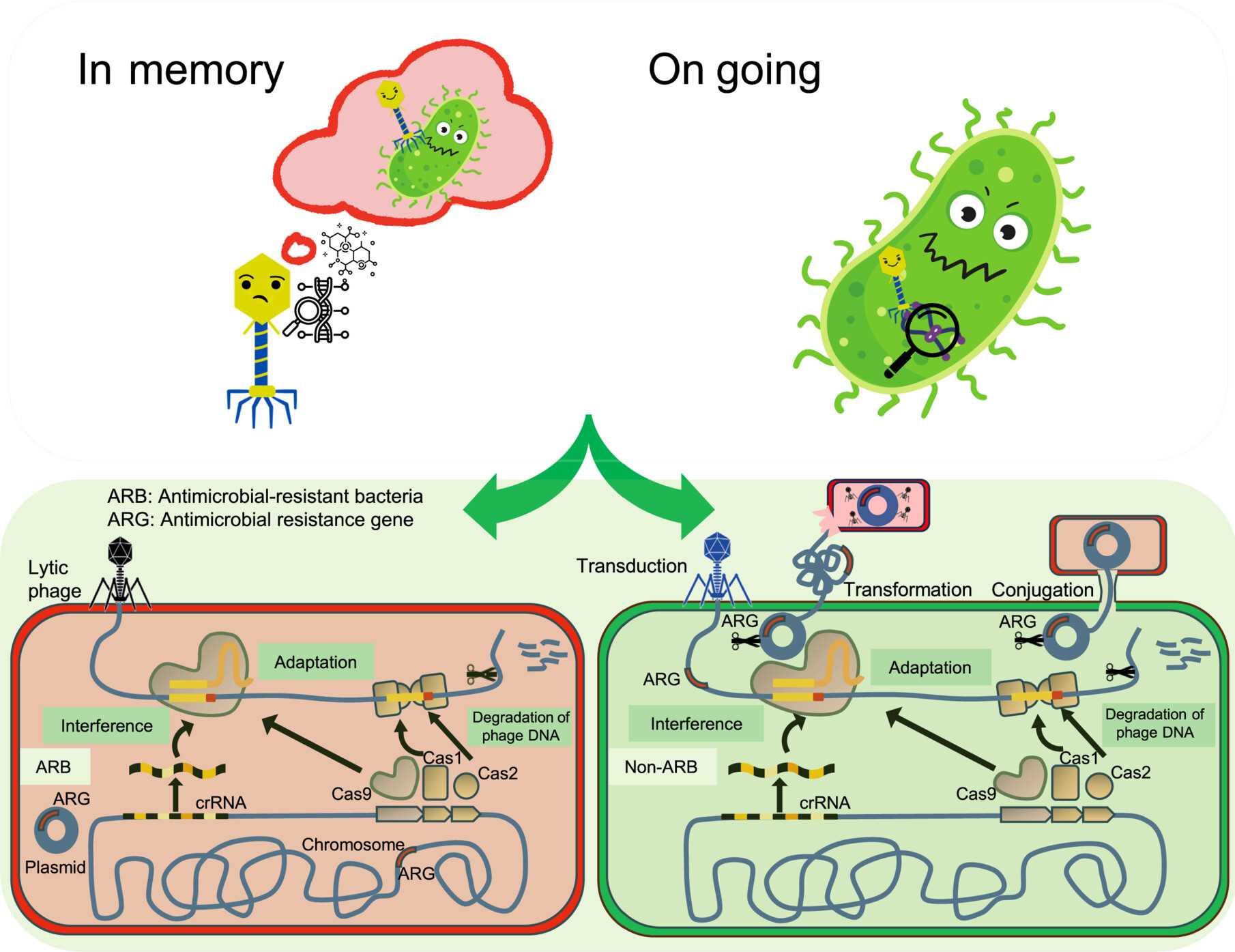
Phage–host interactions critically shape environmental antimicrobial resistance (AMR). Using swine manure anaerobic digestion and multi-omics (metagenomics, meta-transcriptomics, and Hi-C), we mapped the phage–bacteria arms race and its impact on AMR dynamics. We revealed that phage-mediated lysis overwhelmingly dominates transduction, while phages rarely carry antimicrobial resistance genes (ARGs), and phage-borne ARGs showed no expression, challenging the paradigm of phages as primary vectors of ARGs. Crucially, the intense on-going phage–host arms race drives the widespread presence and expression of antiviral defense systems (ADSs) in antimicrobial-resistant bacteria (ARB). These ADSs exhibit a vital ecological dual role: they protect ARBs from phage lysis promoting persistence while simultaneously suppressing horizontal gene transfer (HGT, e.g., conjugation), as validated by in vitro conjugation assays. Our findings elucidate this duality, offering a novel framework to harness phage lytic pressure and ADS-mediated HGT suppression for environmental AMR mitigation.
Navigating the future of nano-pesticides: A perspective on design, efficacy, mechanisms, and environmental stewardship
- 29 April 2026
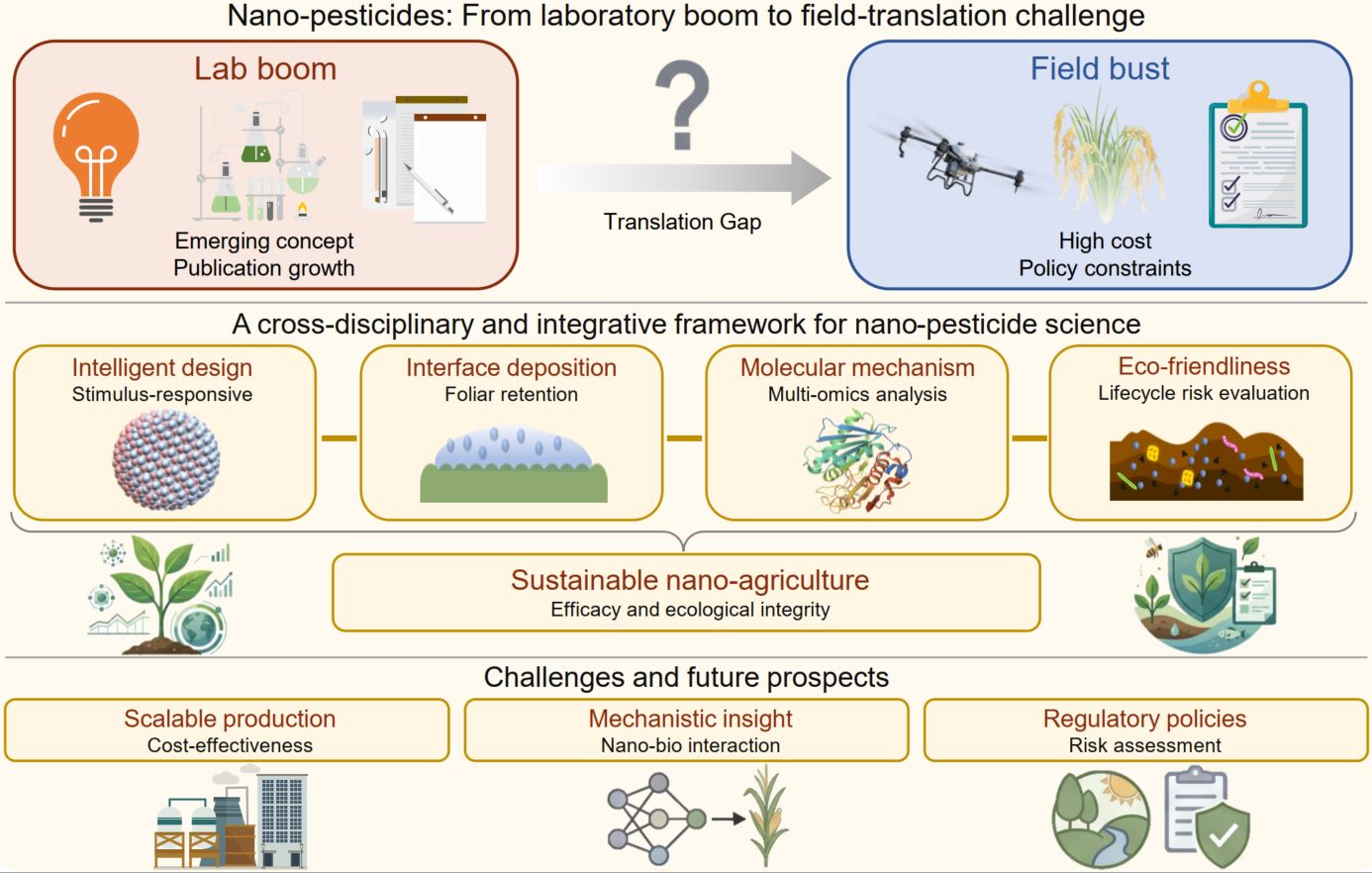
Nano-pesticides are driving a paradigm shift toward sustainable plant protection. This review systematically synthesizes recent advances across four interconnected domains: (i) intelligent formulation design for targeted delivery and controlled release; (ii) interfacial behavior regulation to enhance foliar deposition; (iii) multi-omics elucidation of synergistic efficacy and molecular interactions; and (iv) environmental fate management, including risk mitigation and microbiome remediation. By integrating these multiscale innovations, the field is advancing nano-enabled crop protection from laboratory research toward field application. Collectively, this convergence provides a scientific foundation and interdisciplinary roadmap needed to build next-generation agricultural systems that are resource-efficient and ecologically compatible.
Patient-derived organoid-immune co-cultures integrated with multi-omics reveal immunotherapy resistance mechanisms in urothelial carcinoma
- 07 May 2026
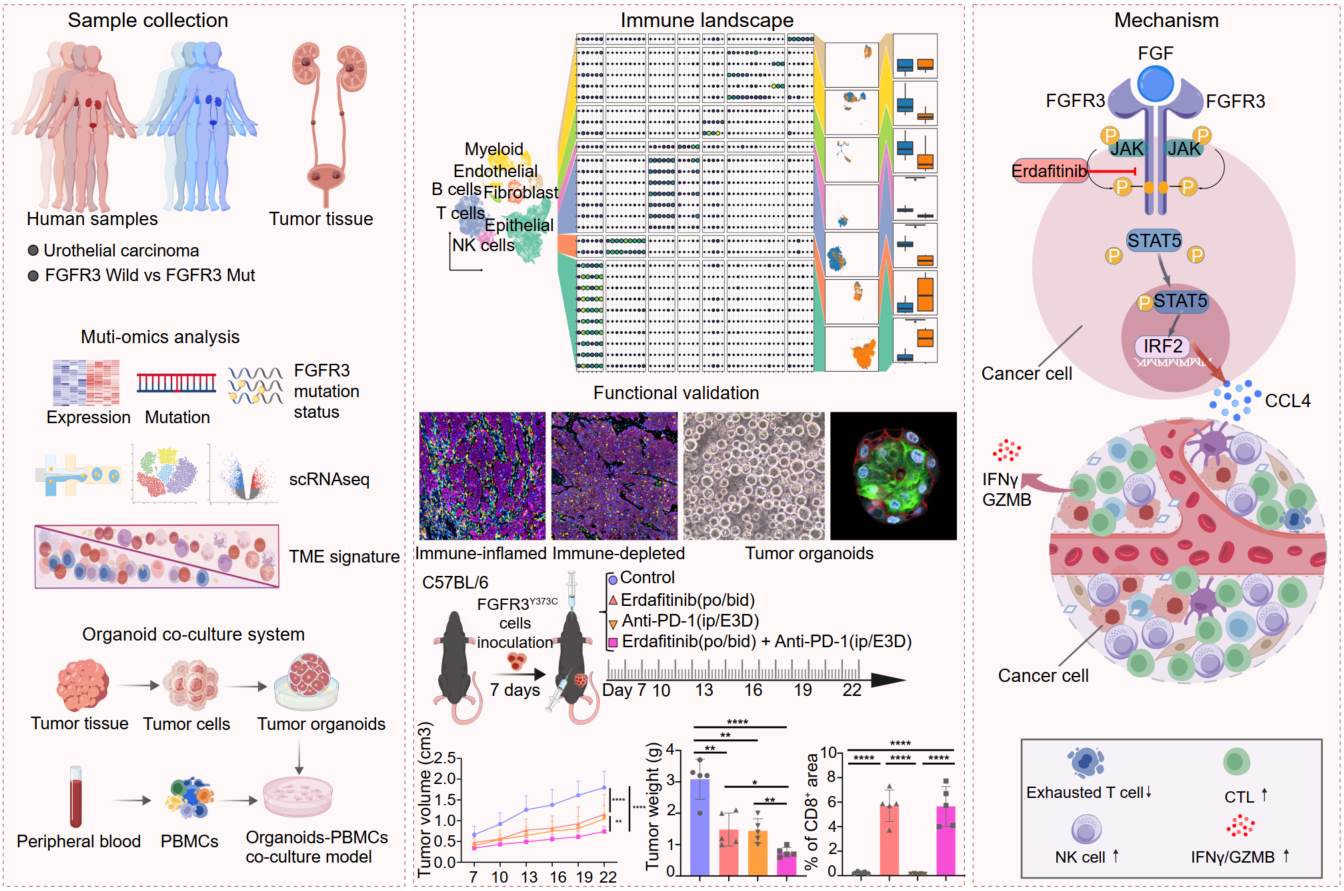
Immunotherapy resistance presents a formidable challenge in tumor biology. While fibroblast growth factor receptor 3 (FGFR3) serves as a pivotal oncogenic driver in a multitude of cancers, the exploration of its role in immune checkpoint inhibitor (ICI) resistance remains scarce, thus impeding a deeper understanding of the tumor immune microenvironment (TIME) in the era of immunotherapy. Employing patient-derived urothelial carcinoma (UC) organoids and co-cultured systems, along with single-cell RNA sequencing (scRNA-seq), whole-exome sequencing (WES), bulk RNA-seq, and CUT& Tag epigenomics in UC cohorts, we identified and characterized the key downstream mediators of FGFR3. The TIME associated with FGFR3 mutations exhibited a depletion of NK and CD8+ T cells, while simultaneously harboring an accumulation of exhausted effectors, correlating with diminished ICI response. Erdafitinib reprogrammed this “cold” TME into an inflamed state through a novel FGFR3–STAT5–IRF2 signaling cascade. These findings, corroborated by a wealth of evidence, advocate for the combination of FGFR3-targeted therapy with immunotherapy for UC, bridging critical pre-clinical and clinical insights.
Integrative host–microbiome modeling uncovers the implication of oral–gut translocation in advanced cirrhosis
- 29 April 2026
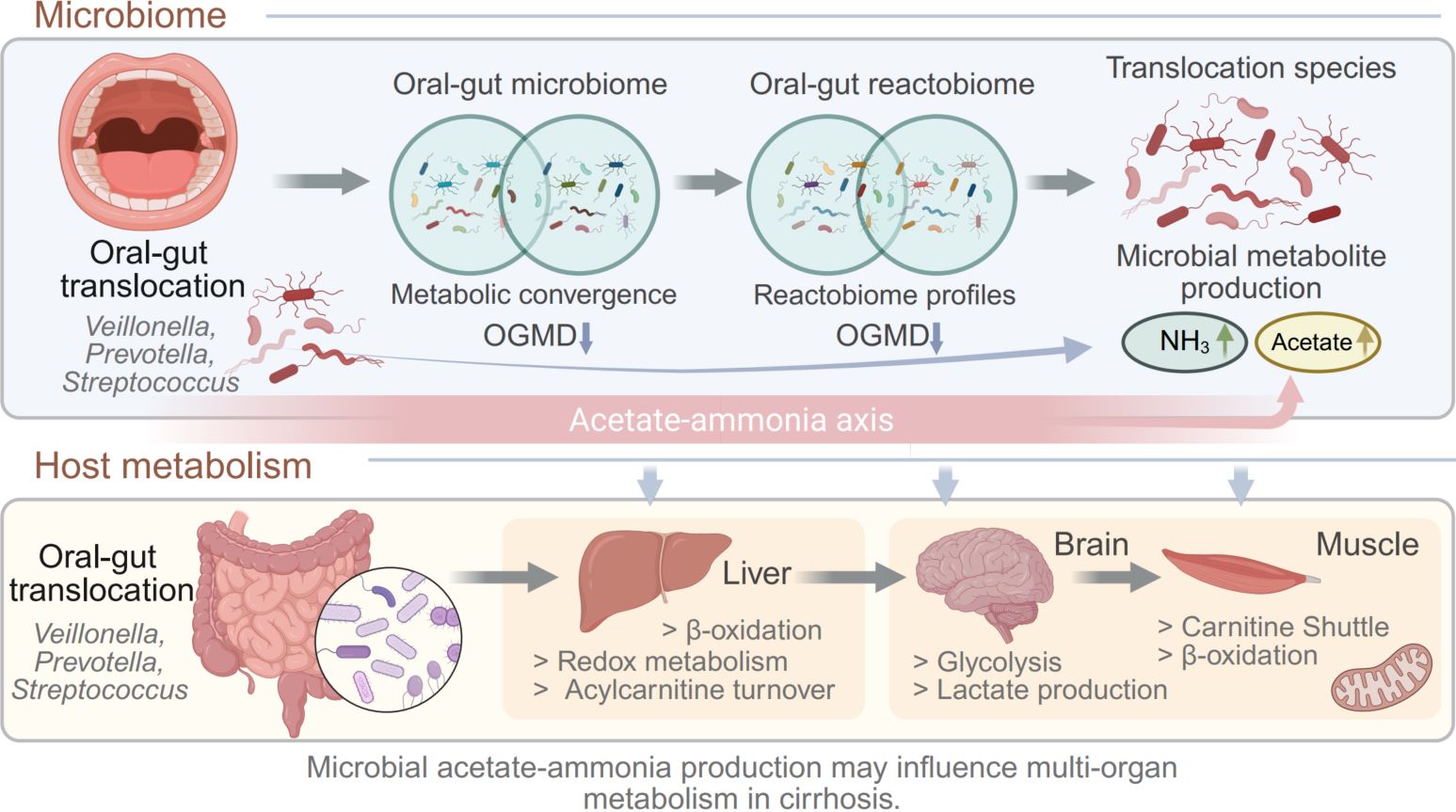
Liver cirrhosis is associated with profound disruption of host–microbiome metabolic interactions. Using paired oral and fecal metagenomics combined with genome-scale metabolic modeling, we investigated how microbial translocation along the oral–gut axis influences microbial metabolism at different cirrhosis severities. Reactobiome-based functional profiling revealed progressive metabolic convergence between oral and gut microbiomes, quantified by a decrease in oral–gut metabolic distance. Translocation-associated microbial species enriched in patients with cirrhosis were predicted to have elevated capacities for ammonia and acetate production. Microbial-community and host metabolic modeling further suggested that these microbial metabolic shifts may influence host energy metabolism and redox balance across the liver, brain, and skeletal muscle. Together, these findings suggest a potential acetate-ammonia metabolic axis linking oral–gut microbial translocation with systemic metabolic stress in advanced cirrhosis.
Early gut microbial and metabolic dysregulation with subclinical cardiac alterations in a nonhuman primate model of Rett syndrome
- 09 June 2026
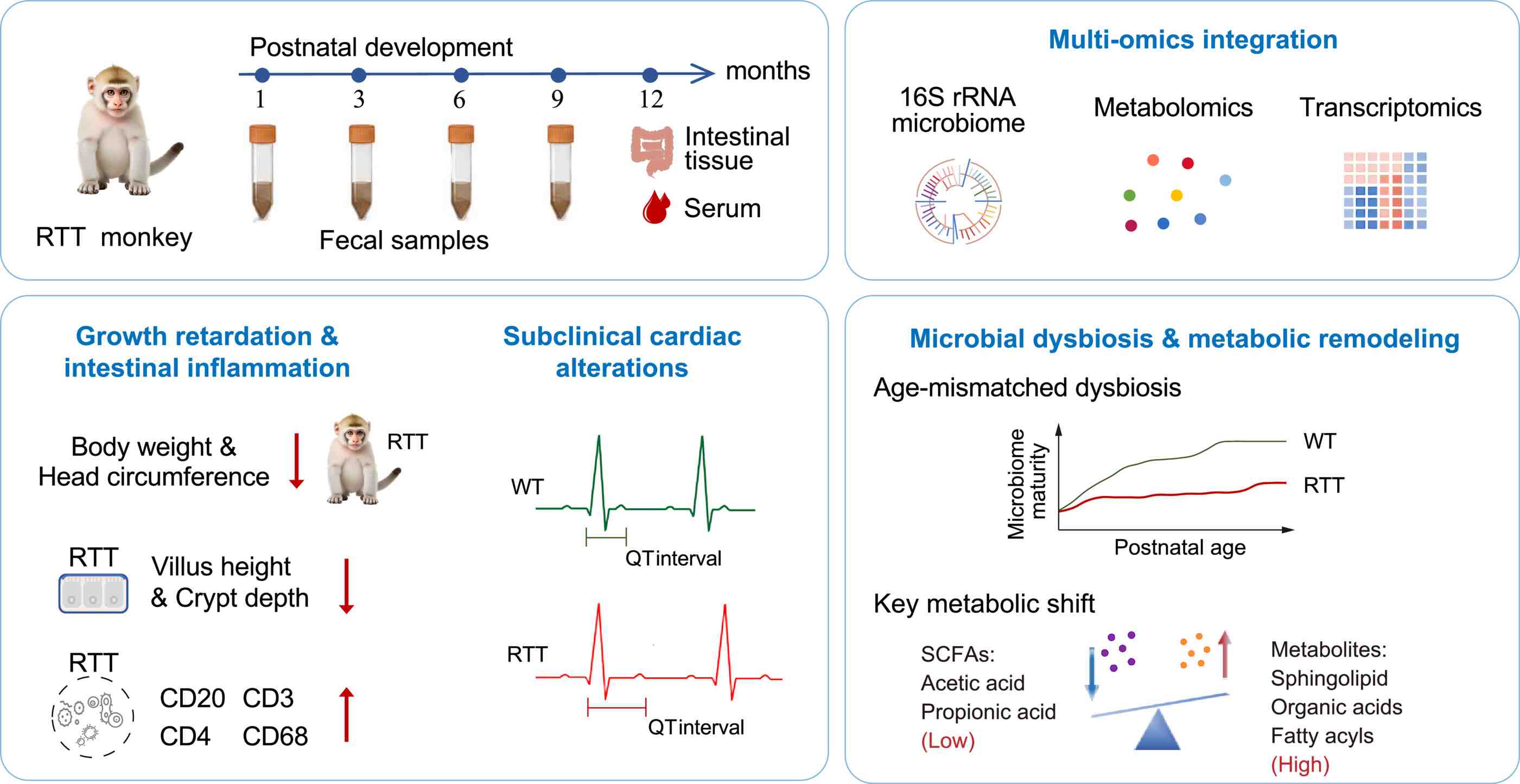
Longitudinal multi-omics profiling of a nonhuman primate Rett syndrome (RTT) model reveals early systemic alterations. RTT monkeys exhibited postnatal growth retardation, intestinal structural abnormalities, and low-grade systemic inflammation. Gut microbiome analysis showed delayed microbial maturation and age-discordant dysbiosis, including altered Firmicutes/Bacteroidetes ratios and persistent community restructuring. Fecal metabolomics revealed reduced short-chain fatty acids (SCFAs), disrupted microbe–metabolite networks, and broad alterations in lipid, amino acid, and energy metabolism. Electrocardiogram (ECG) identified prolonged corrected QT interval (QTc) and subclinical cardiac electrophysiological changes. Integrated multi-omics analyses indicate that RTT involves early, coordinated dysregulation across gut microbial, metabolic, immune, and peripheral physiological systems, supporting its characterization as a systemic disorder from the early postnatal stage.
From prediction to actionable mechanisms: Explainable multi‑omics AI for farm‑to‑fork postharvest preservation
- 09 June 2026
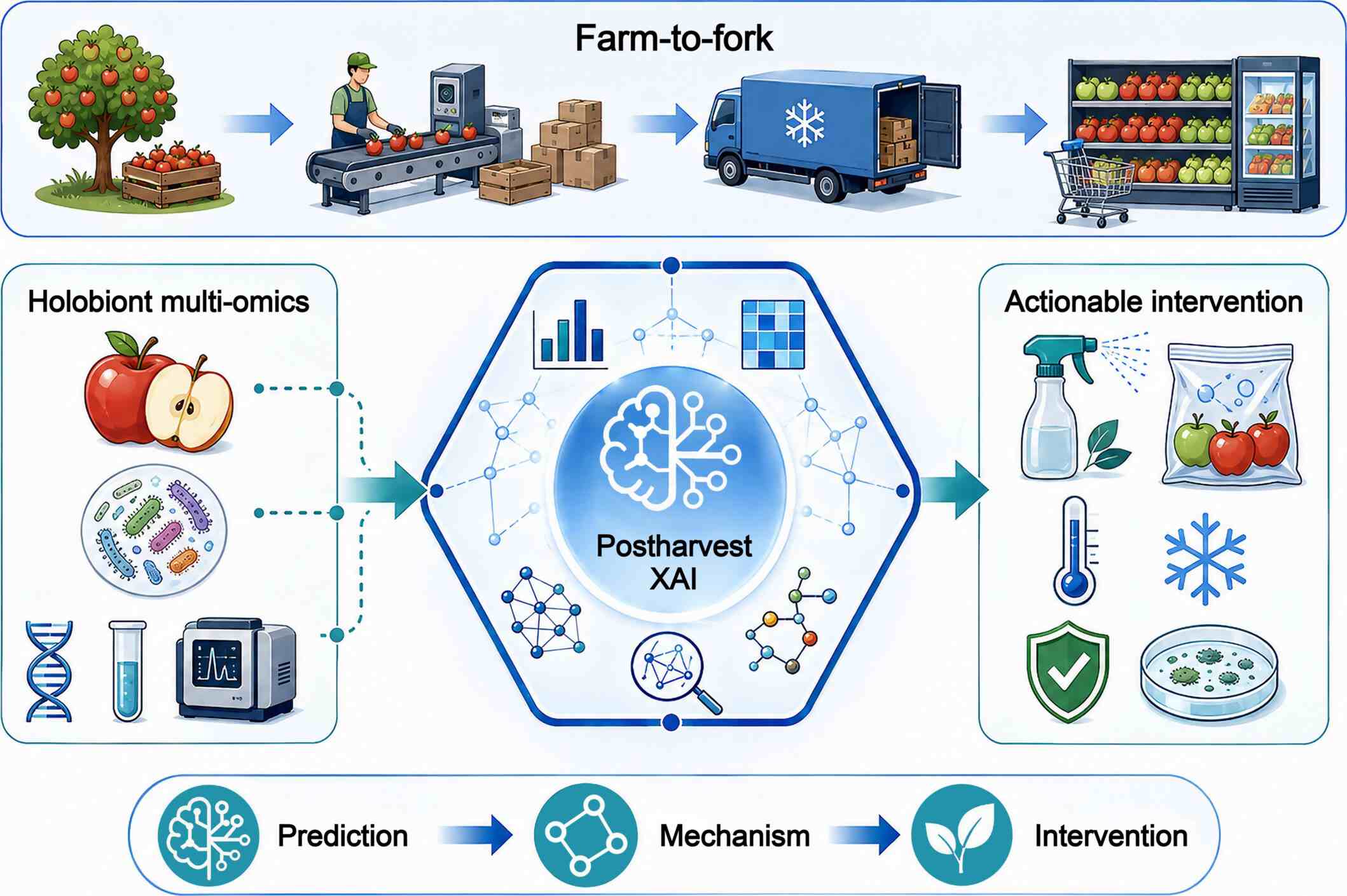
Graphical overview of explainable artificial intelligence (XAI) for farm-to-fork postharvest preservation. Postharvest deterioration accumulates across orchard, packhouse, refrigerated transportation, warehouse, and distribution stages under fluctuating temperature, humidity, atmosphere, and mechanical stress. Multimodal data streams, including host omics, microbiome profiles, environmental sensing, RGB/hyperspectral/thermal imaging, spectroscopy, key genes, and logistics records, are integrated through a data lakehouse and analyzed by postharvest XAI models. Explainable modules, including SHapley Additive exPlanations (SHAP)/local attribution, graph neural network (GNN) explanation, pathway-constrained models, counterfactual reasoning, and stability/faithfulness auditing, convert black-box spoilage-risk prediction into interpretable biological mechanisms. These mechanisms guide actionable interventions such as antioxidant coating, elicitor spray, biocontrol consortia, packaging optimization, and gene-targeted strategies. Validation through storage trials, sensory evaluation, microbial testing, and sequencing closes the loop from prediction to explanation, intervention, and validated decision support.