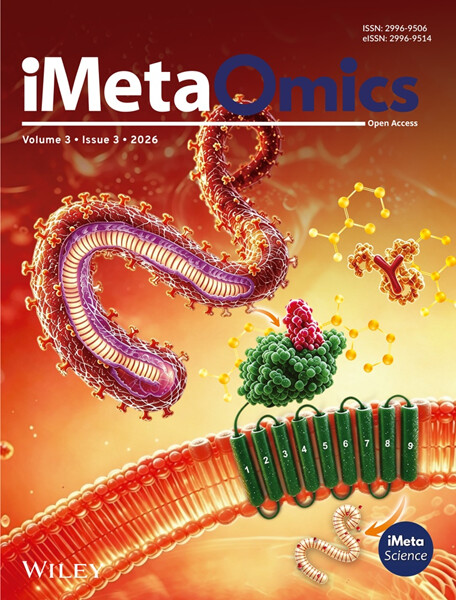
A multiplex interactome of Ebola virus proteins reveals TM9SF2 as a cell-surface attachment factor that promotes viral entry
- 02 July 2026
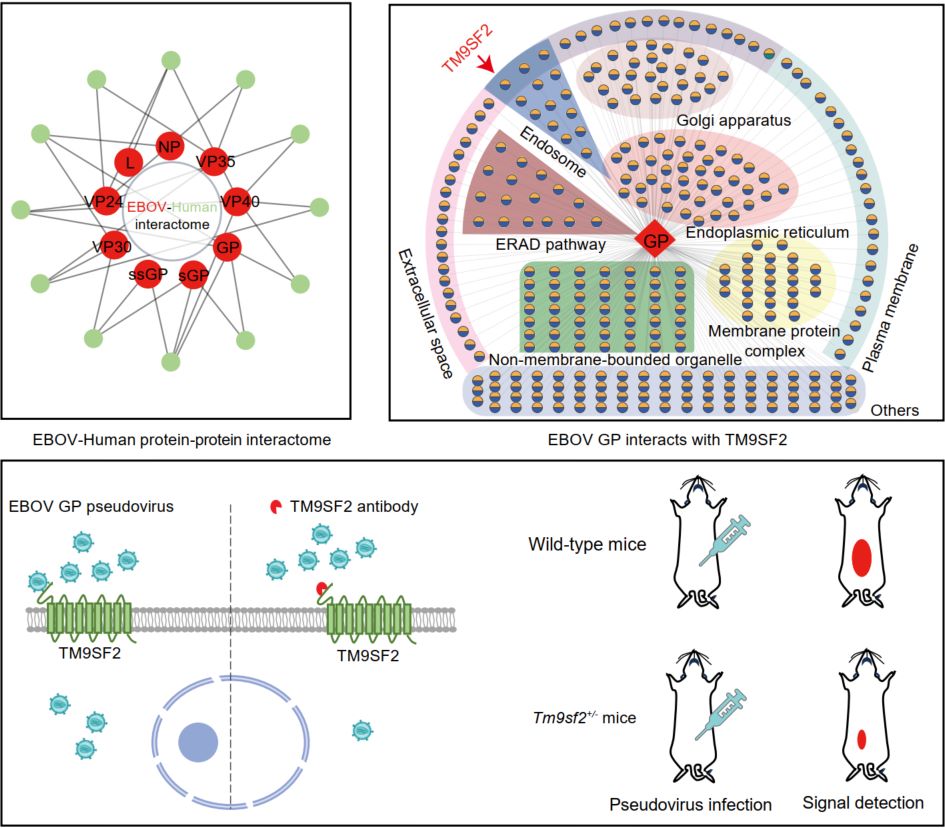
This study generates a comprehensive Ebola virus (EBOV)-human protein–protein interactome, comprising 1728 core high-confidence interactions. Further interactome analysis revealed the potential association of EBOV glycoprotein (GP) with the host factor TM9SF2. Subsequent mechanistic investigations confirmed that TM9SF2 functions as an attachment factor that, through its association with EBOV GP, promotes viral attachment and internalization to facilitate infection. These findings position TM9SF2 as a promising antiviral target.
Gene expression signatures from single-cell transcriptomics predict Sjögren's syndrome
- 28 May 2026
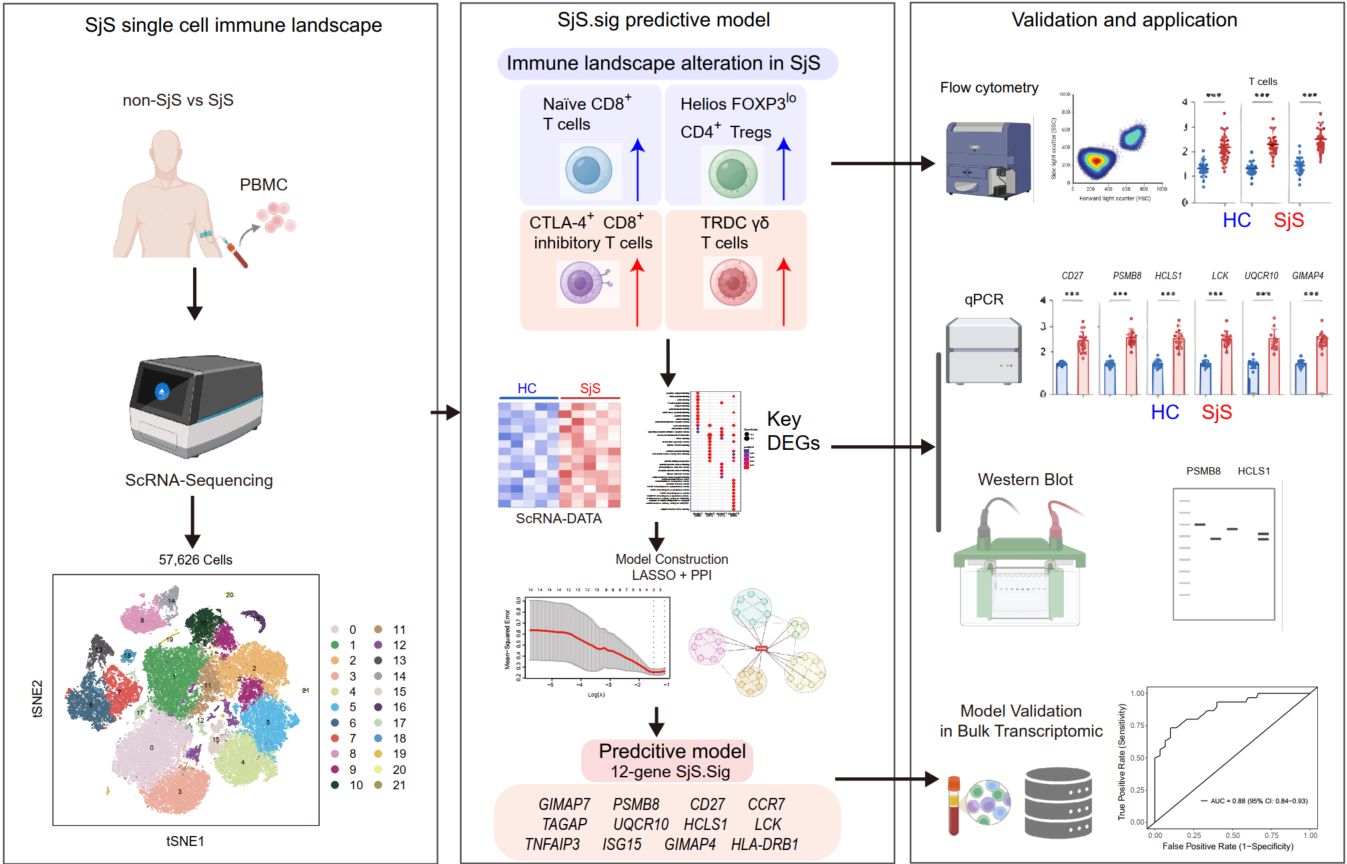
Sjögren's syndrome (SjS) is a systemic autoimmune disorder characterized by lymphocytic infiltration of exocrine glands, leading to dry eyes and mouth. While previous genome-wide association studies (GWAS) and transcriptomic analyses have identified genes associated with SjS, predictive models based on single-cell resolution are limited. In this study, single-cell RNA sequencing (scRNA-seq) data from peripheral blood mononuclear cells (PBMCs) of SjS patients were analyzed to map immune cell alterations linked to the disease. Compared with healthy controls, SjS patients displayed decreased proportions of naïve CD8+ T cells and Helios FOXP3lo CD4+ Tregs, alongside increased frequencies of CTLA−4+ CD8+ inhibitory T cells and TRDC γδ T cells. Using machine learning, a predictive model for SjS diagnosis was developed based on a 12-gene signature (SjS. Sig: GIMAP7, PSMB8, CD27, CCR7, TAGAP, UQCR10, HCLS1, LCK, TNFAIP3, ISG15, GIMAP4, and HLA-DRB1), which effectively differentiated patients from healthy individuals. Key genes such as CD27, PSMB8, HCLS1, LCK, UQCR10, and GIMAP4 were validated in clinical samples through flow cytometry and real-time quantitative PCR. These findings provide insights into the immune landscape of SjS at a single-cell resolution and propose a reliable molecular signature for diagnosis and immune monitoring.
Warm-wet transition restructures arid lake microbiomes and functional potential
- 08 July 2026
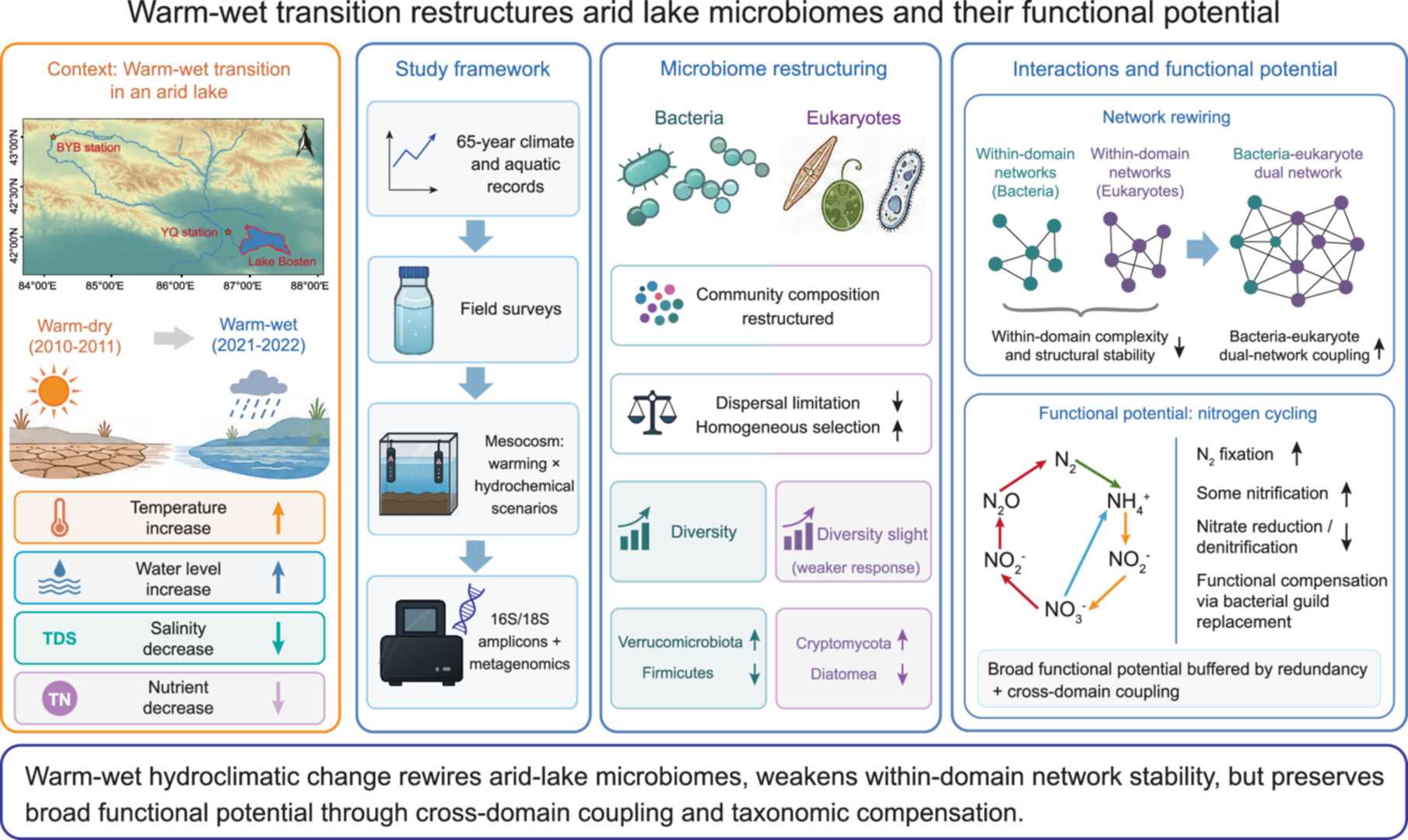
This study summarizes how a long-term warm-dry to warm-wet transition restructures microbiomes and functional potential in Lake Bosten, an arid lake in northwestern China. Warm-wet hydroclimatic change increased water level and hydrological connectivity, while decreasing salinity and total nitrogen. These environmental shifts restructured both bacterial and eukaryotic communities, with reduced dispersal limitation and enhanced homogeneous selection. Bacterial diversity increased, whereas eukaryotic diversity showed a weaker response. Warm-wet conditions weakened within domain community compositional stability and network structural stability, but strengthened bacteria-eukaryote interactions. Despite pronounced taxonomic and network reorganization, broad functional potential was buffered through functional redundancy, cross domain coupling, and taxonomic replacement within bacterial functional guilds, particularly in nitrogen cycling pathways.
Bacterial indole-3-butyric acid promotes fish PUFA synthesis
- 26 August 2026
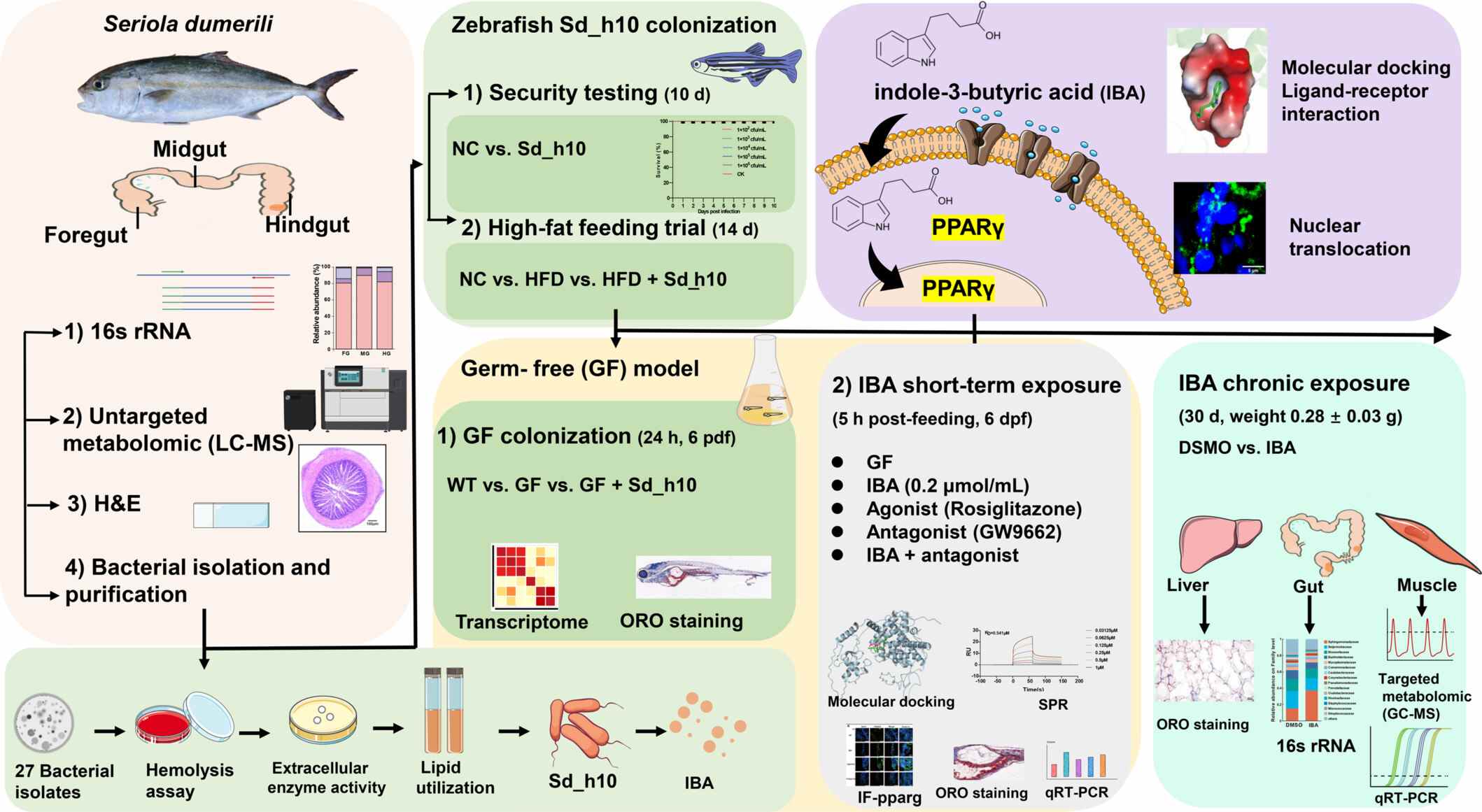
Polyunsaturated fatty acids (PUFAs) are essential nutrients in aquatic products, yet the contribution of gut microbiota-derived metabolites to PUFA biosynthesis remains largely unknown. In this study, a gut-derived Bacillus strain was identified to enhance PUFA accumulation via indole-3-butyric acid (IBA) production. Integrated microbiological, metabolomic, functional, and molecular docking-based analyses demonstrated that IBA interacted with PPARγ and regulated lipid metabolism-related signaling pathways, thereby promoting PUFA biosynthesis in fish. These findings reveal a microbiota-metabolite-host regulatory axis and identify microbial indole metabolites as potential regulators of host lipid metabolism.
Microbiome-mediated plant-soil feedbacks as a tool for resilient agriculture
- 03 July 2026
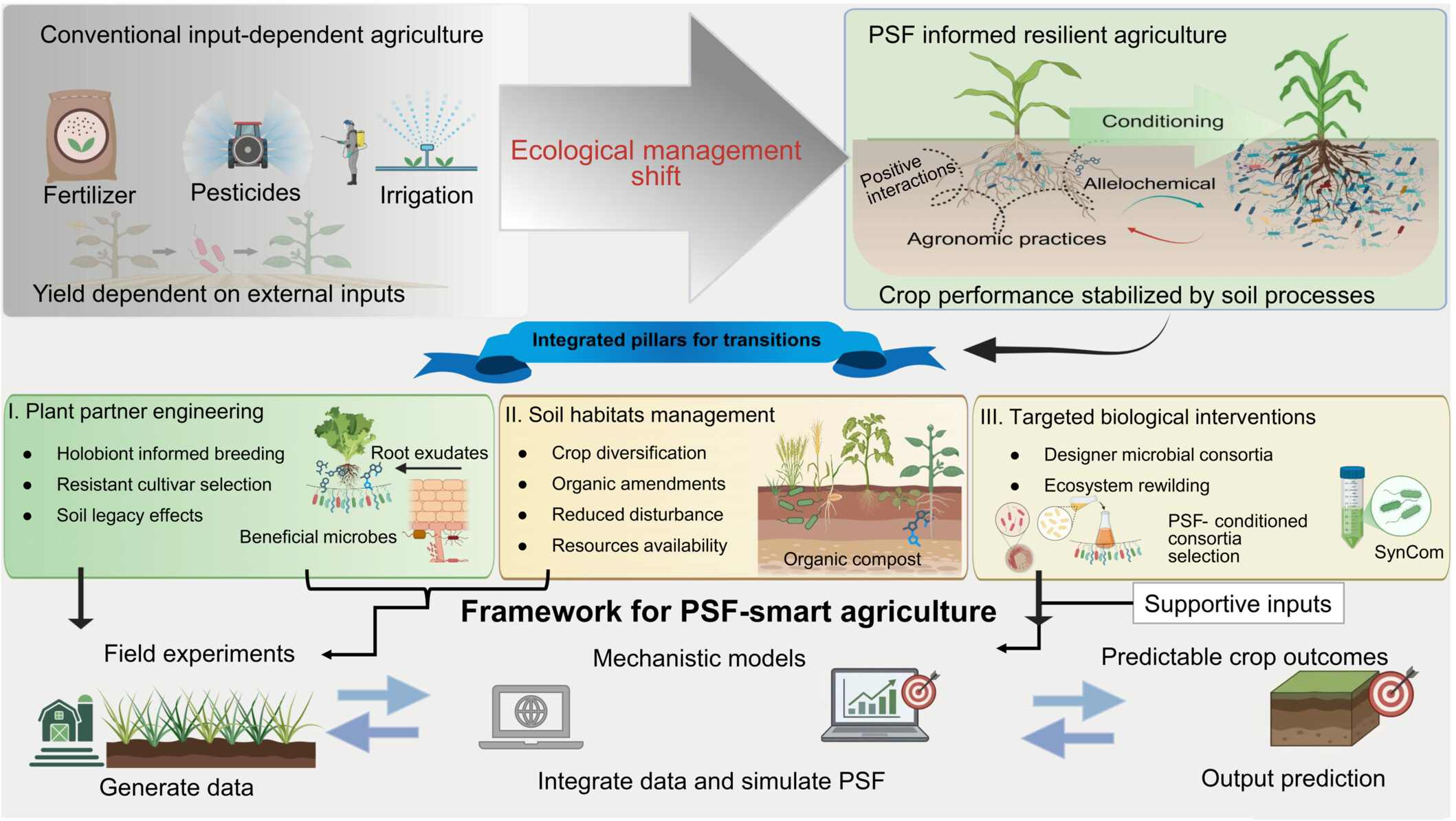
Translating plant-soil feedbacks (PSFs) into reliable agricultural management requires shifting from input-dependent practices toward endogenous, process-driven crop resilience. To bridge this gap, we propose a predictive framework centered on three strategic interventions: engineering the crop holobiont, diversifying the soil habitat, and deploying targeted microbial consortia. Rather than relying on static correlations, this framework integrates field-scale gradients with mechanistic models to validate soil legacies dynamically. By closing this empirical-predictive loop, we can turn complex ecological principles into quantifiable, actionable designs for climate-resilient cropping systems.
Harnessing microbial metabolism and nutrition to target the gut–mammary axis for better livestock production and health
- 09 July 2026
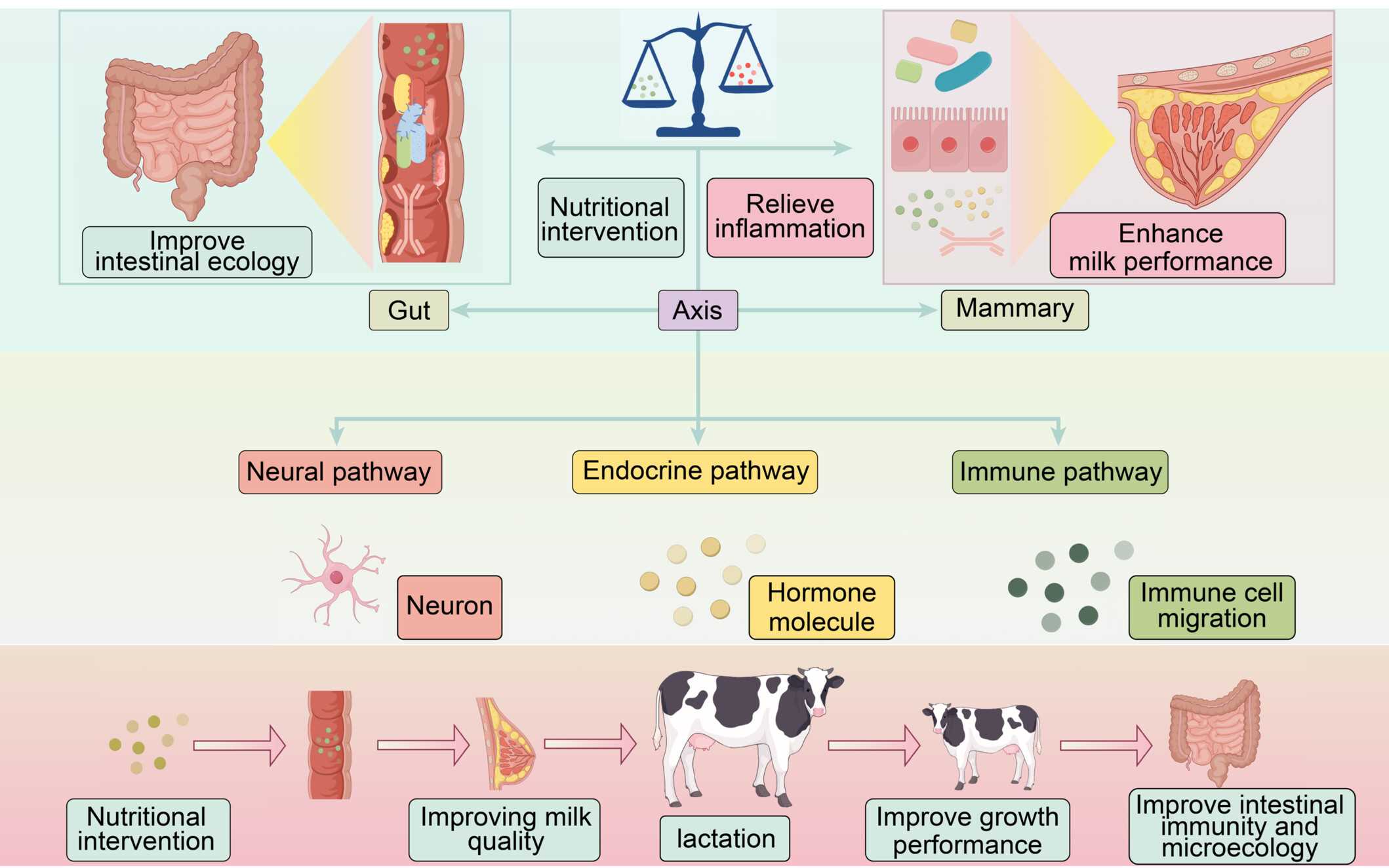
The gut–mammary axis integrates intestinal health with mammary function through neural, endocrine, and immune pathways. Nutritional interventions (probiotics, prebiotics, metabolites) improve gut microecology, generating microbial signals that travel via the axis to the mammary gland. There, they relieve inflammation, enhance milk quality and lactation, and boost offspring growth. This framework highlights precision nutrition as a strategy to modulate the gut–mammary axis for sustainable livestock production.
Strategies and mechanisms of precision genome engineering: From gene editing to genome writing
- 26 July 2026
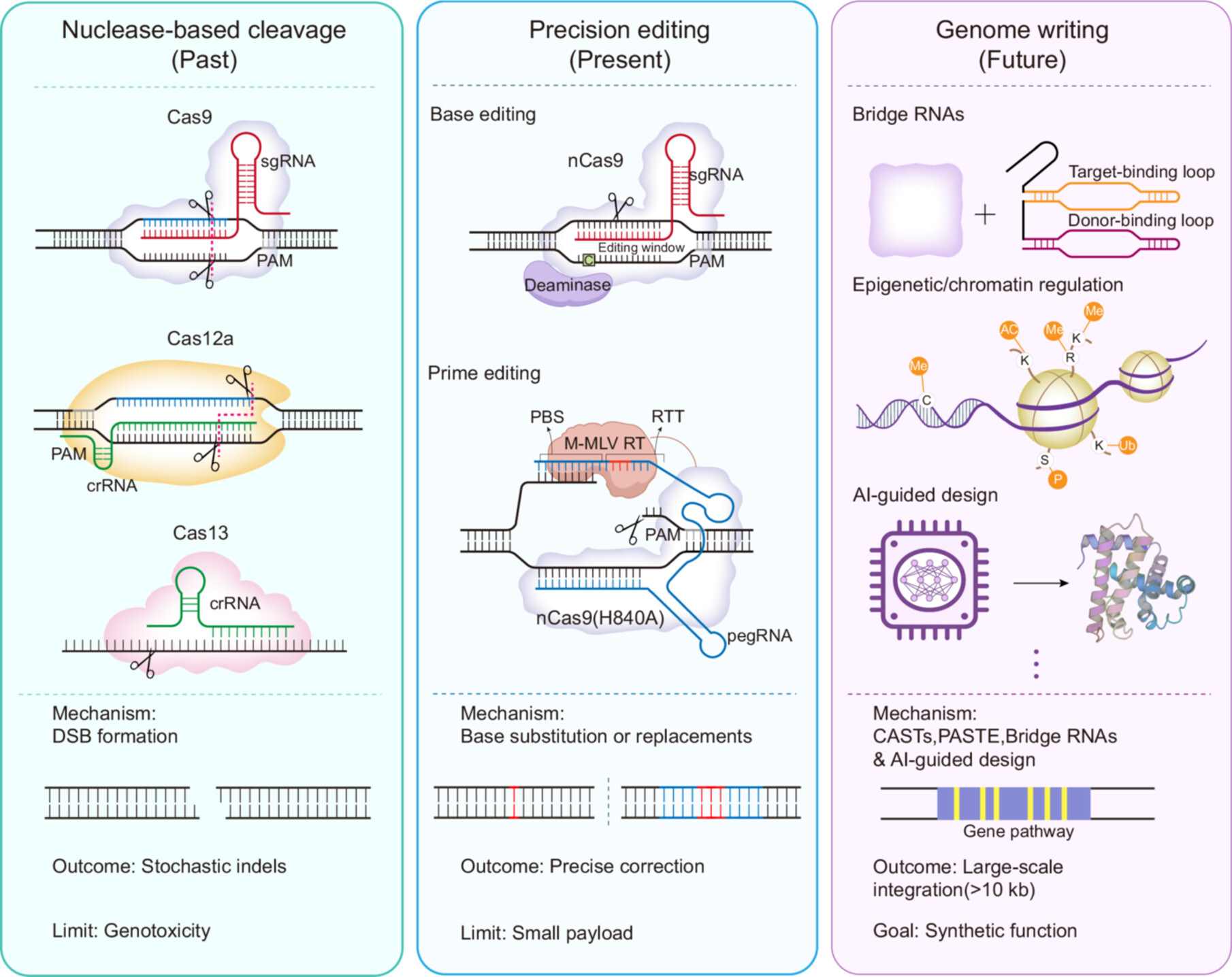
In this review, we examined the progression of genome manipulation from stochastic nuclease-mediated cutting toward precise editing and programmable genome writing. We discussed tools like multi-kilobase RNA-guided integrators and Artificial Intelligence (AI)-designed effectors and showed how these advances enable researchers to treat genomes as programmable media for synthetic design and Generative Biology.
Bile acid metabolism and signaling in human and animal health: A One Health perspective
- 17 July 2026
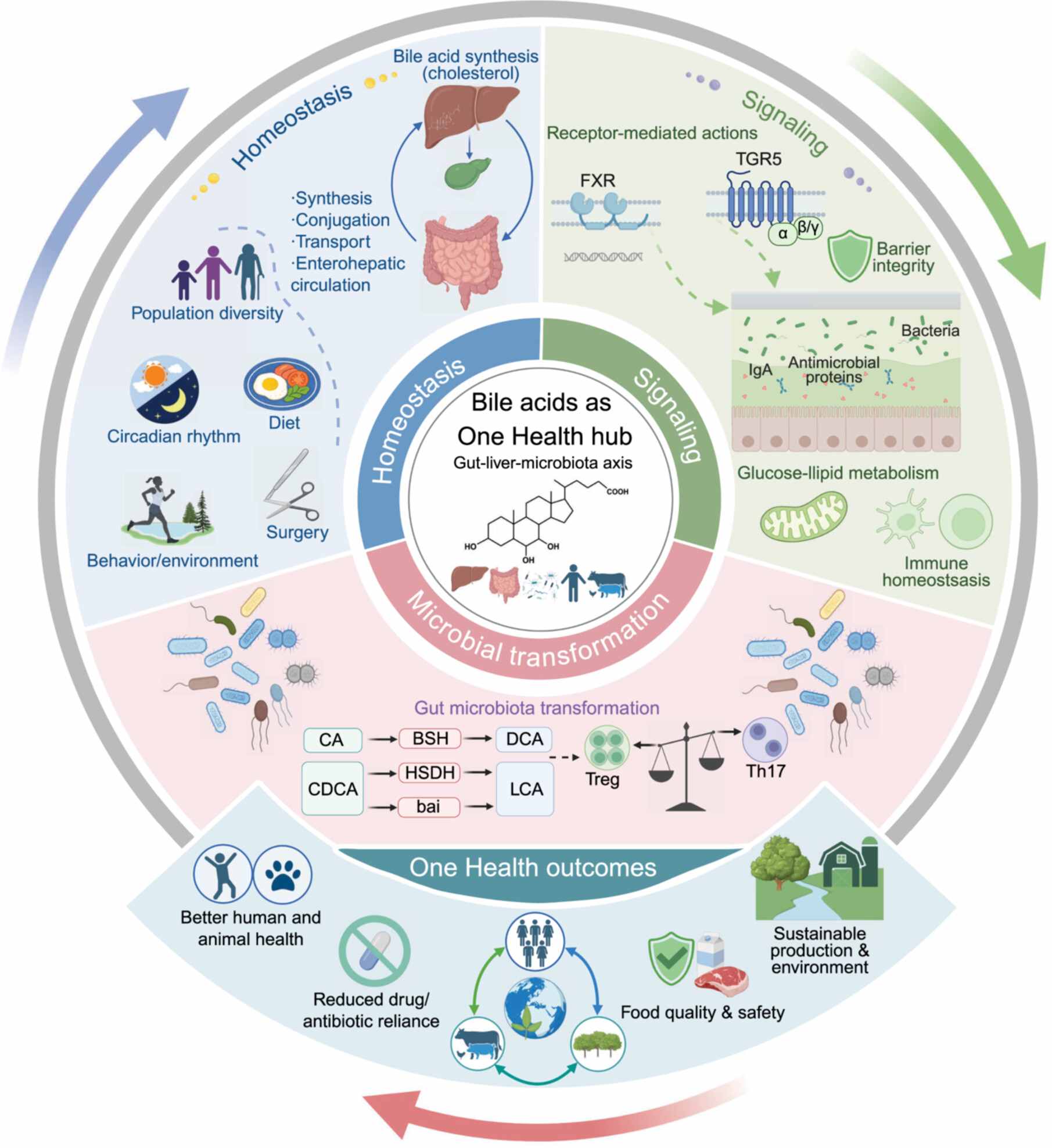
Bile acids maintain host homeostasis through enterohepatic circulation, microbial transformation, and bile acid receptor signaling, thereby regulating glucose and lipid metabolism, intestinal barrier integrity, and immunity. These effects support human disease intervention and health-oriented animal production, reducing drug dependence and residue risks while promoting food safety, sustainability, and One Health benefits.
Microbiome—pancreatic cancer crosstalk: From tumor biology to therapeutic intervention
- 29 July 2026
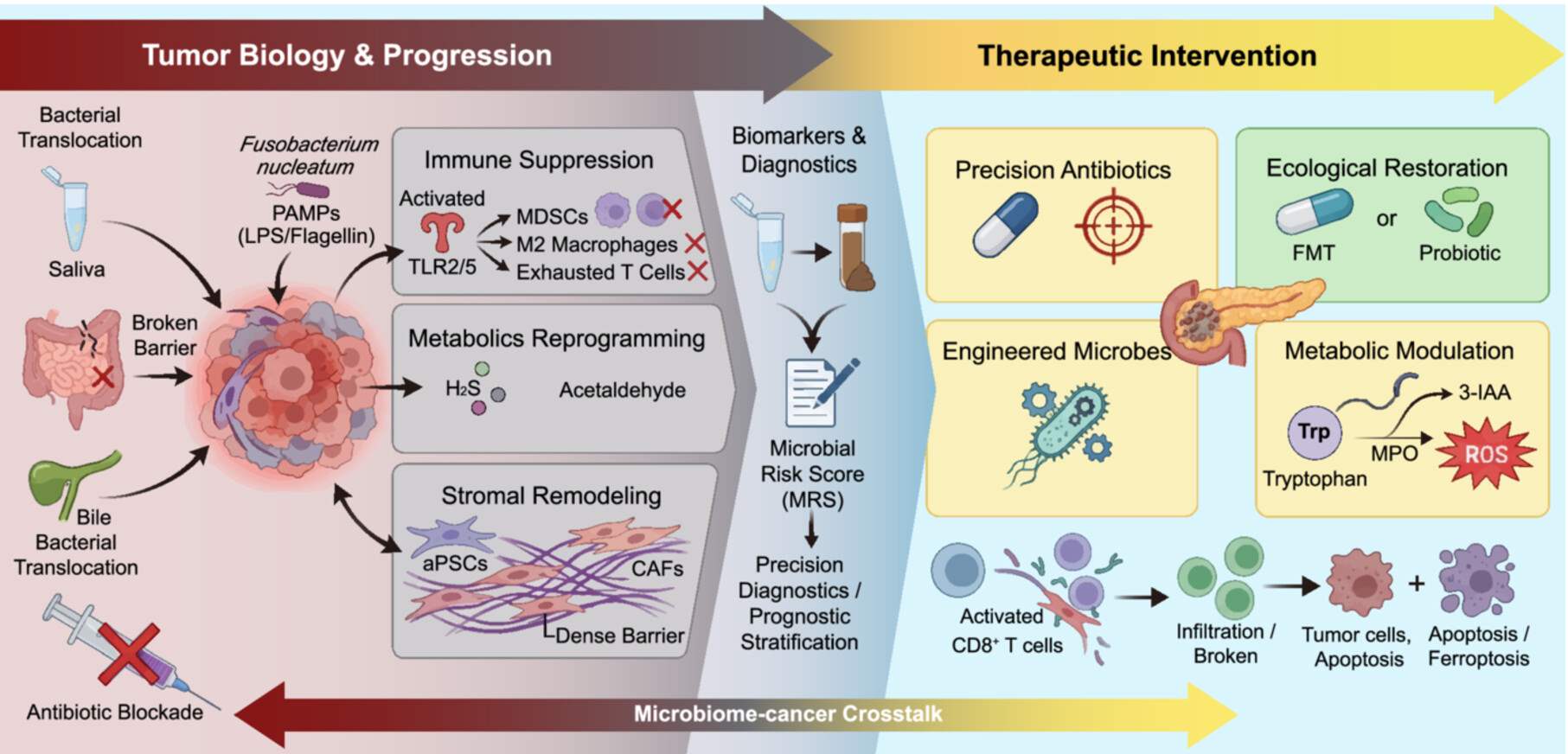
The intratumoral microbiome acts as a critical regulator in pancreatic cancer progression and therapeutic resistance. This comprehensive review delineates the origins of pancreatic microbes, elucidates their multifaceted mechanisms in driving immune suppression, metabolic reprogramming, and stromal desmoplasia, and highlights the clinical potential of microbiota-targeted diagnostic and therapeutic strategies.
Artificial intelligence driven diet-intestinal microbiota-host health integration: A four-dimensional paradigm for advancing host wellness research
- 26 August 2026
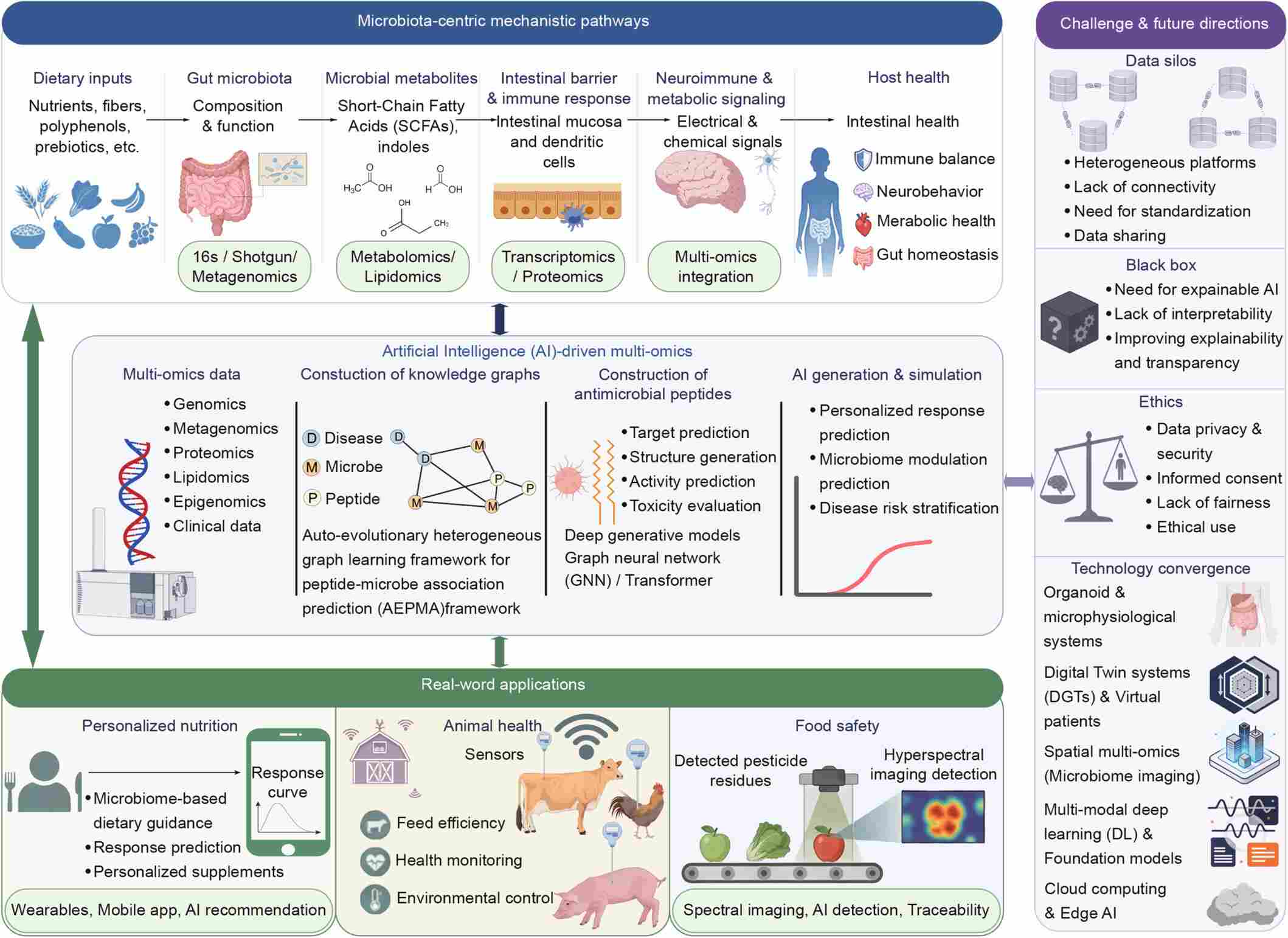
This graphical abstract presents a novel Diet-Artificial Intelligence (AI)-intestinal Microbiota–Host Health paradigm integrating microbiota-centric pathways and an AI-driven multi-omics workflow. Diet shapes gut bacteria that regulate intestinal mucosal integrity, immune signaling, and gut–brain neurotransmitters to influence host health. An AI multi-omics pipeline processes multi-omics data to construct knowledge graphs and design antimicrobial peptides, enabling predictive health modeling. This approach supports applications in personalized nutrition, food safety, and precision animal health. Key challenges include data silos, AI interpretability, and ethics, with future directions focusing on organoid models, spatial multi-omics, digital twins, and multi-modal deep learning to advance host wellness research.
Sexual dimorphism in hormone–gut microbiome associations across reproductive states in wild giant pandas
- 05 June 2026
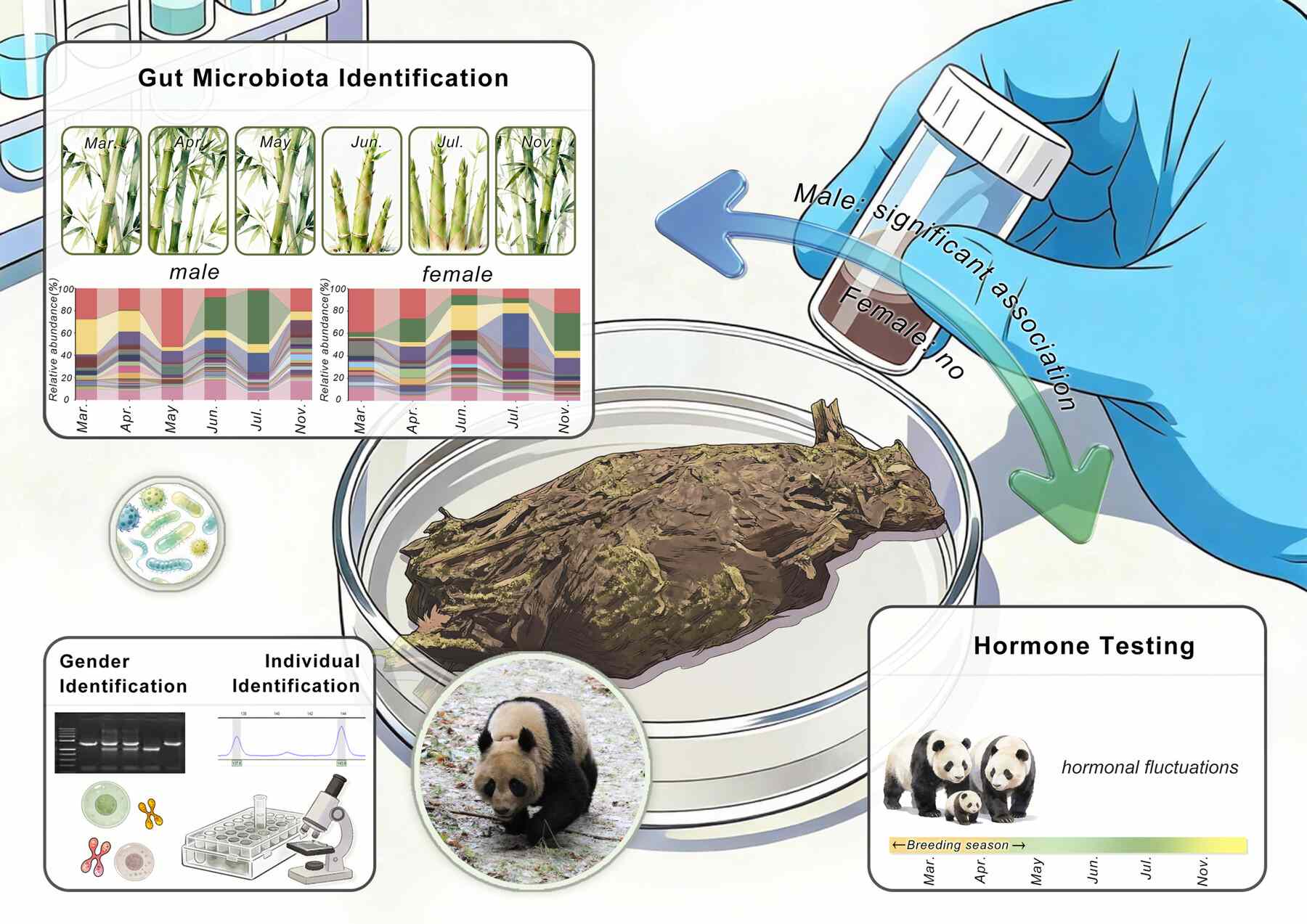
Gut microbiota–host endocrine interactions in wild mammals remain poorly understood. Giant pandas experience seasonal dietary shifts and constrained annual reproduction, offering an ideal model to investigate microbiome–endocrine coupling. We integrated fecal hormone profiling, microsatellite-based individual identification, and gut microbiome sequencing in wild giant pandas. Microbial diversity and composition varied seasonally, with α diversity peaking during bamboo shoot-feeding. Hormonal dynamics followed predictable patterns: elevated estrogen during estrus, sustained progesterone post-estrus, and higher cortisol during leaf/stem-feeding periods. Hormone levels significantly correlated with microbial taxa and diversity, indicating coordinated microbiome–endocrine dynamics. Notably, microbiome–hormone coupling was significant in males but not in females, and males exhibited greater hormonal and microbial variability. Our findings demonstrate seasonal restructuring of gut microbiome and endocrine profiles in wild giant pandas with sex-dependent coupling, providing an integrated framework for non-invasive conservation monitoring.
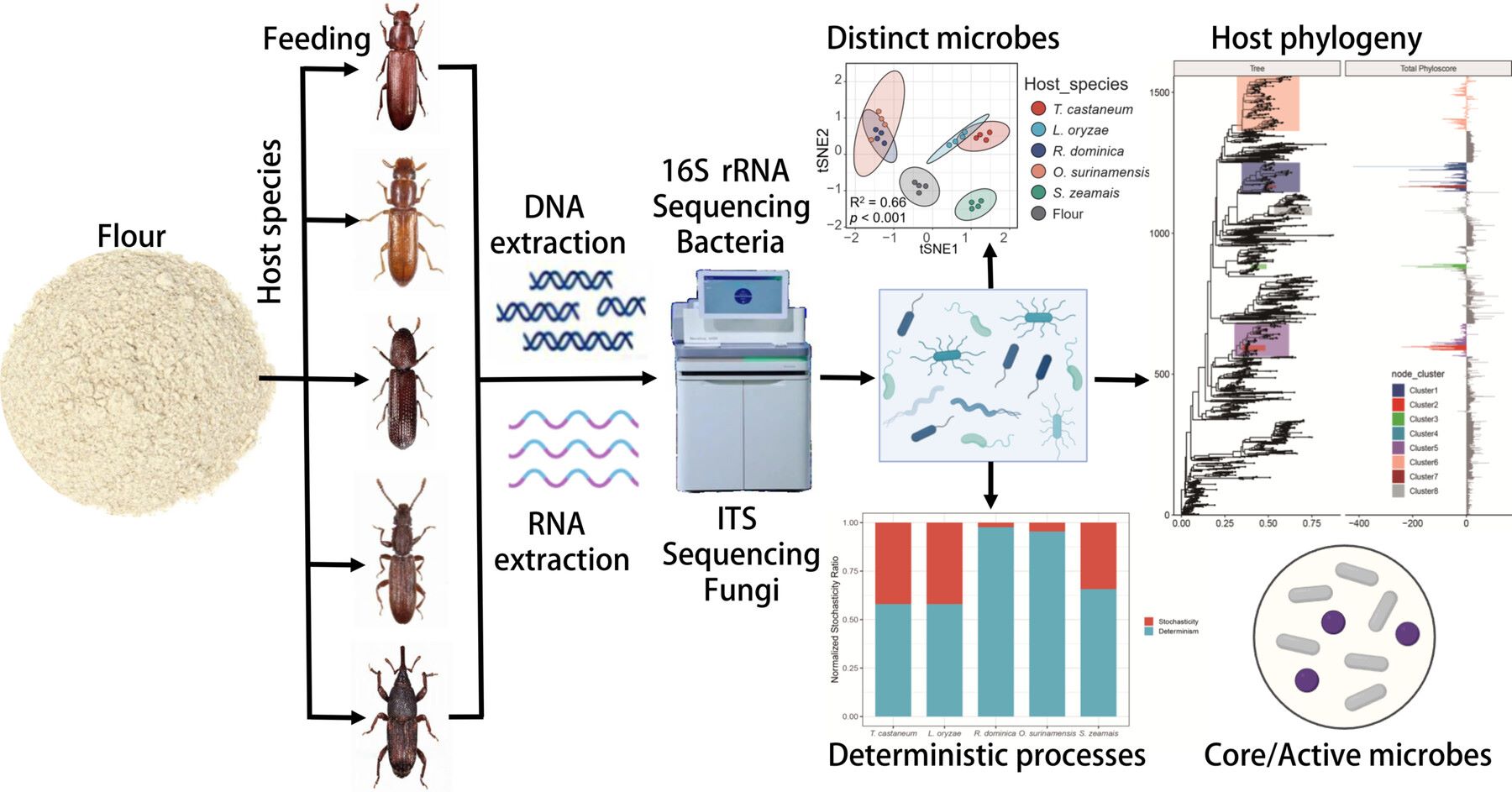
Host-specific and deterministic microbiome assembly in major coleopteran stored-grain pests
- 11 June 2026
Integrating multiplexed immunofluorescence, animal models, and clinical samples, our single-cell and spatial atlas maps tumor microenvironment evolution during bladder cancer (BCa) progression. We reveal that stemness-associated tumor cells (SDC1+), POSTN+ myofibroblastic cancer-associated fibroblasts (mCAFs), and immunosuppressive monocytic myeloid-derived suppressor cells (M-MDSCs) are enriched in high-grade BCa. Mechanistically, mCAF-derived FN1 and M-MDSC-derived NAMPT engage endothelial integrin α5β1 to drive angiogenesis. Subsequently, endothelial cells sustain tumor stemness via the COL4A1/2–SDC1 axis. Therapeutically, targeting integrin α5β1 synergizes with immune checkpoint blockade, highlighting a promising stroma-directed strategy.
Microbial ecological memory of recurrent drought enhances host stress tolerance through enrichment of plant-beneficial bacteria
- 15 June 2026
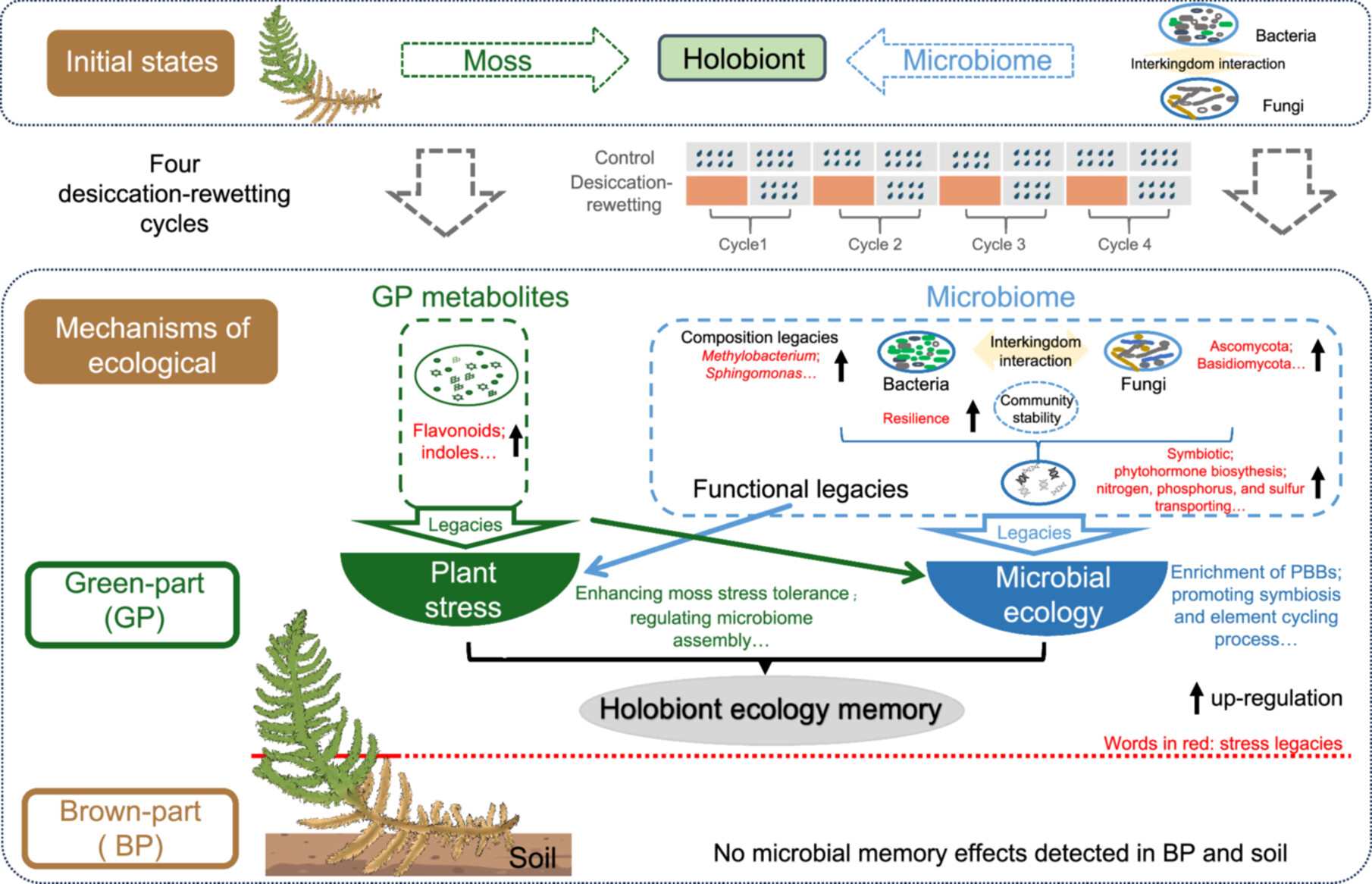
Recurrent desiccation induced niche-specific microbial ecological memory in the green part of Calohypnum plumiforme, marked by enrichment of plant-beneficial bacteria, especially Methylobacterium and Sphingomonas, and functional shifts toward symbiosis and stress protection, potentially enhancing host tolerance within a “holobiont ecology memory” framework.
Majorbio Cloud: An integrated platform for single-omics and integrated multi-omics analysis of microbiome and metabolome
- 19 June 2026
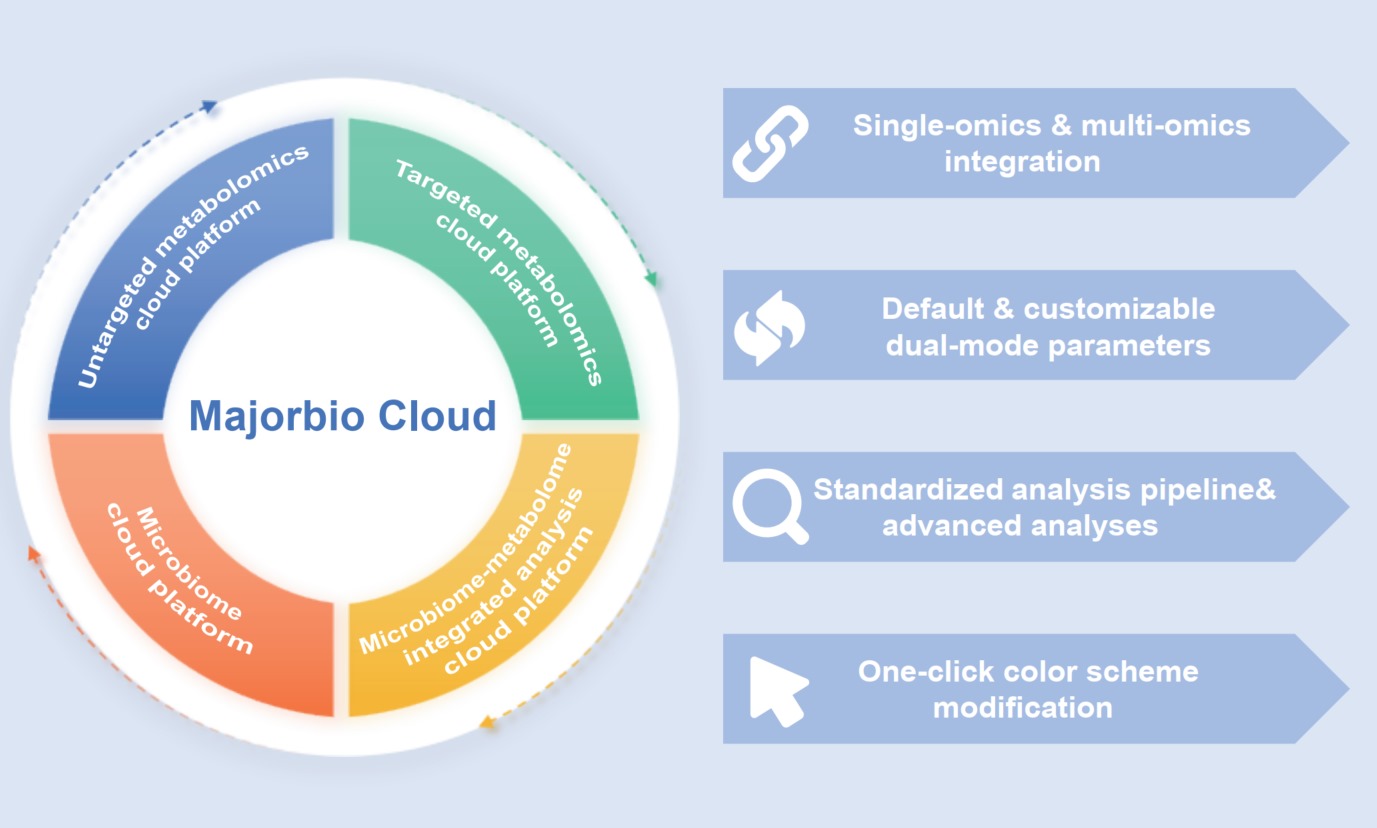
Advances in sequencing and mass spectrometry have propelled life sciences into the multi-omics era. Metabolomics and microbiomics are widely applied across various research fields, yet massive data analysis faces challenges like limited tool functionality and high technical barriers. The Majorbio Cloud Platform addresses these pain points by establishing four integrated workflows: Untargeted metabolomics, targeted metabolomics, microbiomics, and microbiome-metabolome integrated analysis, enabling one-stop analysis from single-omics to multi-omics correlation. In a real gut microbiome–metabolome case study, the platform pinpointed core differential microbes and characteristic metabolites, and further annotated functional pathways underlying host phenotypic divergence, demonstrating its reliability for mining biological mechanisms. The platform caters to both novice and experienced researchers with dual-parameter modes (default/customizable), multi-user collaboration, standardized pipelines, advanced analytical tools, and one-click color customization. By simplifying complex analytical procedures and reducing reliance on specialized programming skills, it offers a standardized, reproducible solution for multi-omics data analysis in related fields.
RNA viral protein structure database: A comprehensive and user-friendly web database for RNA viral protein structures
- 13 July 2026
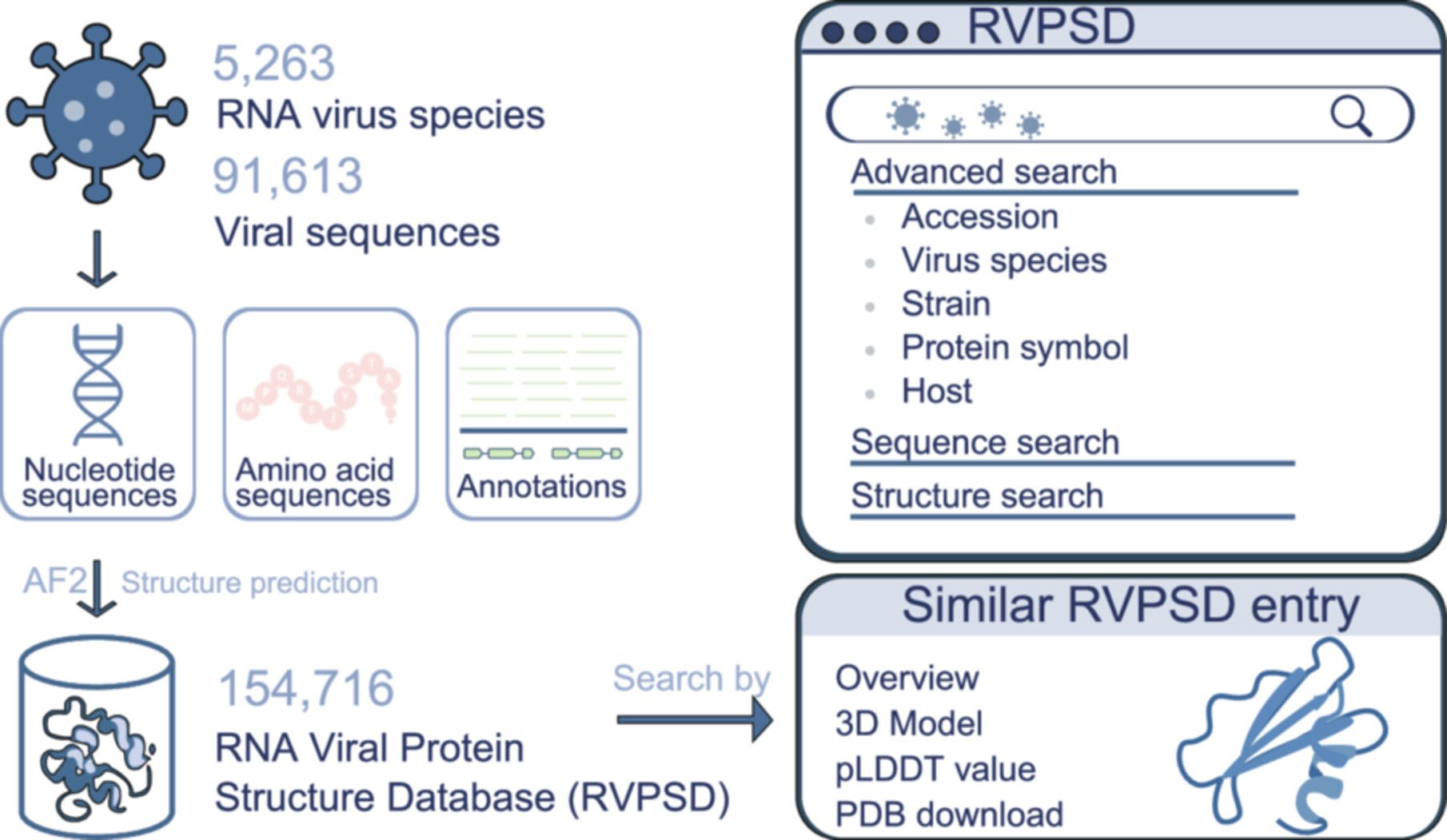
Given the central role of protein structures in RNA virus biology, the RNA viral protein structure database (RVPSD, https://virus.9itsg.net) integrates taxonomic classification, viral nucleotide and protein sequences, functional annotations, and predicted three-dimensional protein structures. Currently, RVPSD comprises 154,716 AlphaFold2-predicted RNA viral protein structures from 5263 RNA virus species, with > 80% exhibiting high predicted local distance difference test scores. RVPSD also provides a searchable and interactive web interface to support comparative structural analyses and functional annotation of viral dark matter.
Ragomics-Meta: An open-source, scalable, reproducible, and extensible multi-omics analysis workflow
- 07 July 2026
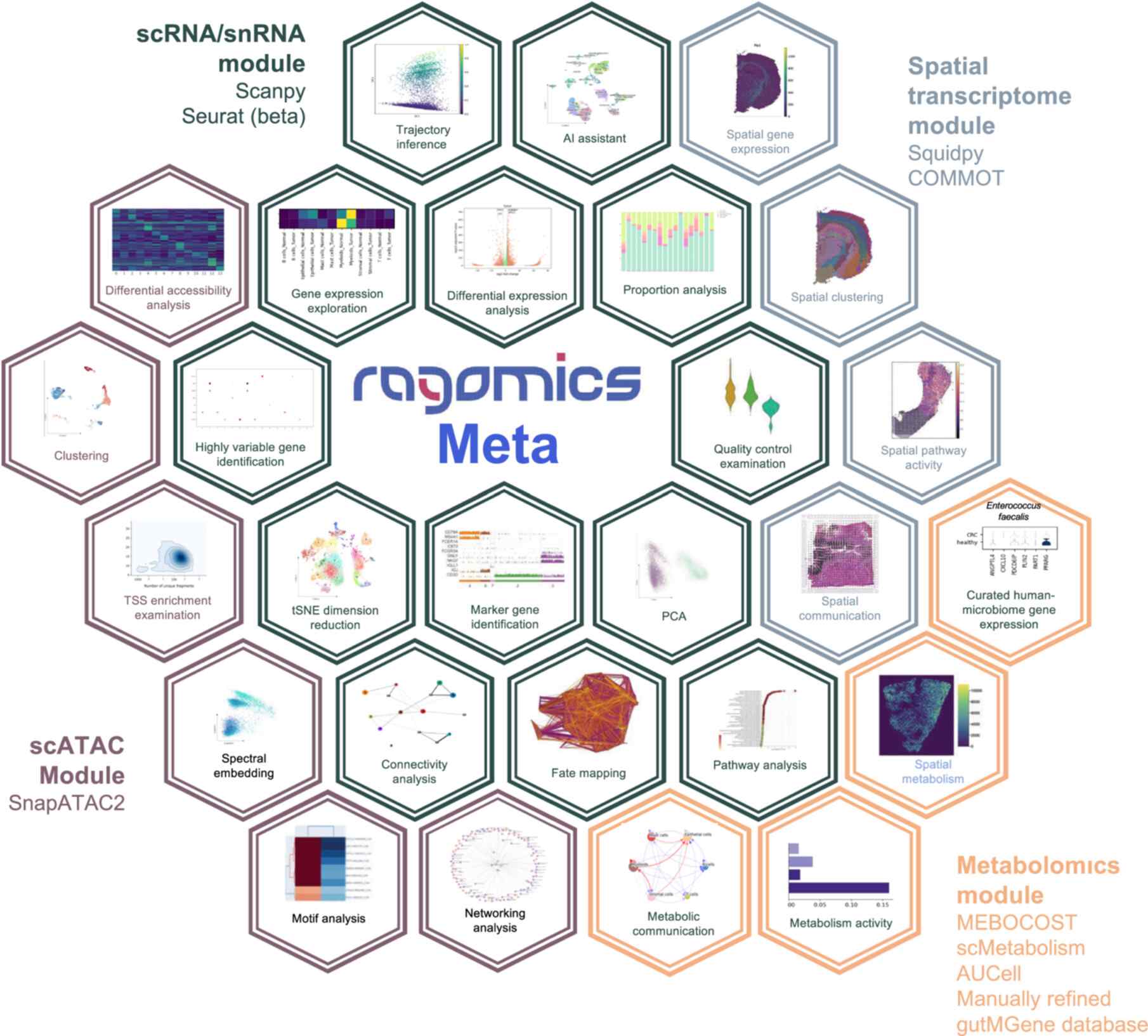
Ragomics-Meta is an open-source, scalable, and reproducible multi-omics workflow for metabolism-centered analysis (https://www.raganetwork.com/). It integrates scRNA/snRNA-seq, spatial transcriptomics, scATAC-seq, and metabolomics modules to support quality control, dimensionality reduction, clustering, differential expression and accessibility analyses, pathway activity scoring, cell−cell communication inference, transcription-factor network analysis, and spatial metabolism exploration. By incorporating established tools such as Scanpy, Seurat, Squidpy, COMMOT, SnapATAC2, MEBOCOST, scMetabolism, AUCell, and a curated gutMGene-based resource, Ragomics-Meta enables systematic characterization of tumor metabolic programs and host−microbiome interactions. AI-assisted interpretation further facilitates biological annotation and hypothesis generation, providing a user-friendly framework for integrative single-cell and spatial multi-omics analysis.
A synthetic community promotes macadamia growth via root-microbe interactions and systemic plant responses
- 09 July 2026
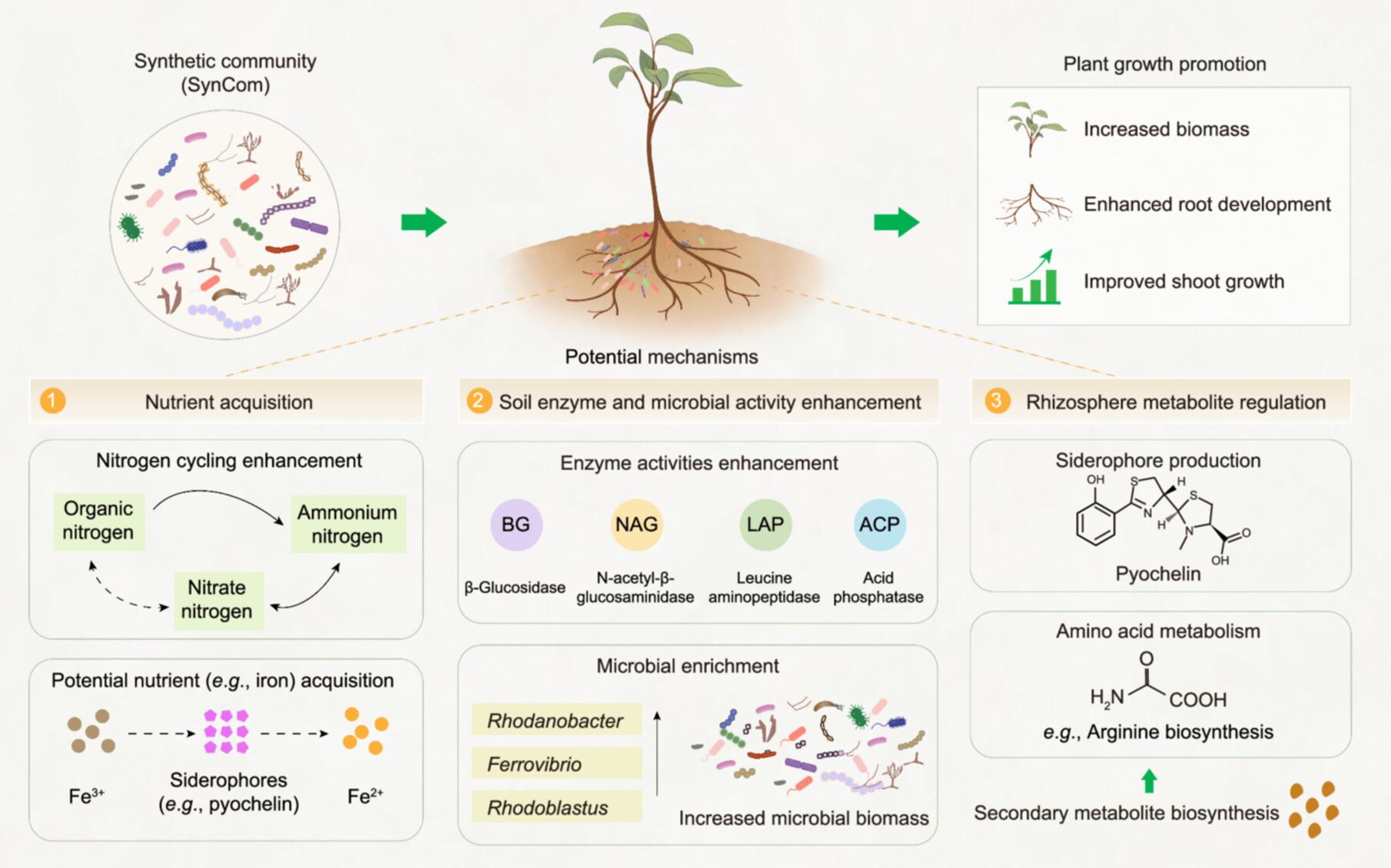
We employed an 18-month pot experiment and an integrated multi-omics approach to elucidate the potential mechanisms underlying synthetic community (SynCom)-mediated macadamia growth promotion. SynCom inoculation enhanced soil nitrogen cycling and potential nutrient (e.g., iron) acquisition. It simultaneously increased soil extracellular enzyme activities and enriched beneficial bacteria such as Rhodanobacter, Ferrovibrio, and Rhodoblastus in the root compartment. In addition, SynCom inoculation promoted the accumulation of rhizosphere metabolites, including the microbial siderophore pyochelin, and drove the co-enrichment of transcriptomic and metabolomic pathways, notably the arginine biosynthesis pathway. This coordinated response may have stimulated nitrogen and iron cycling in the soil, thereby promoting the healthy growth of macadamia.
Viruses in the sediments around the trenches harbor diverse survival mechanisms
- 26 July 2026
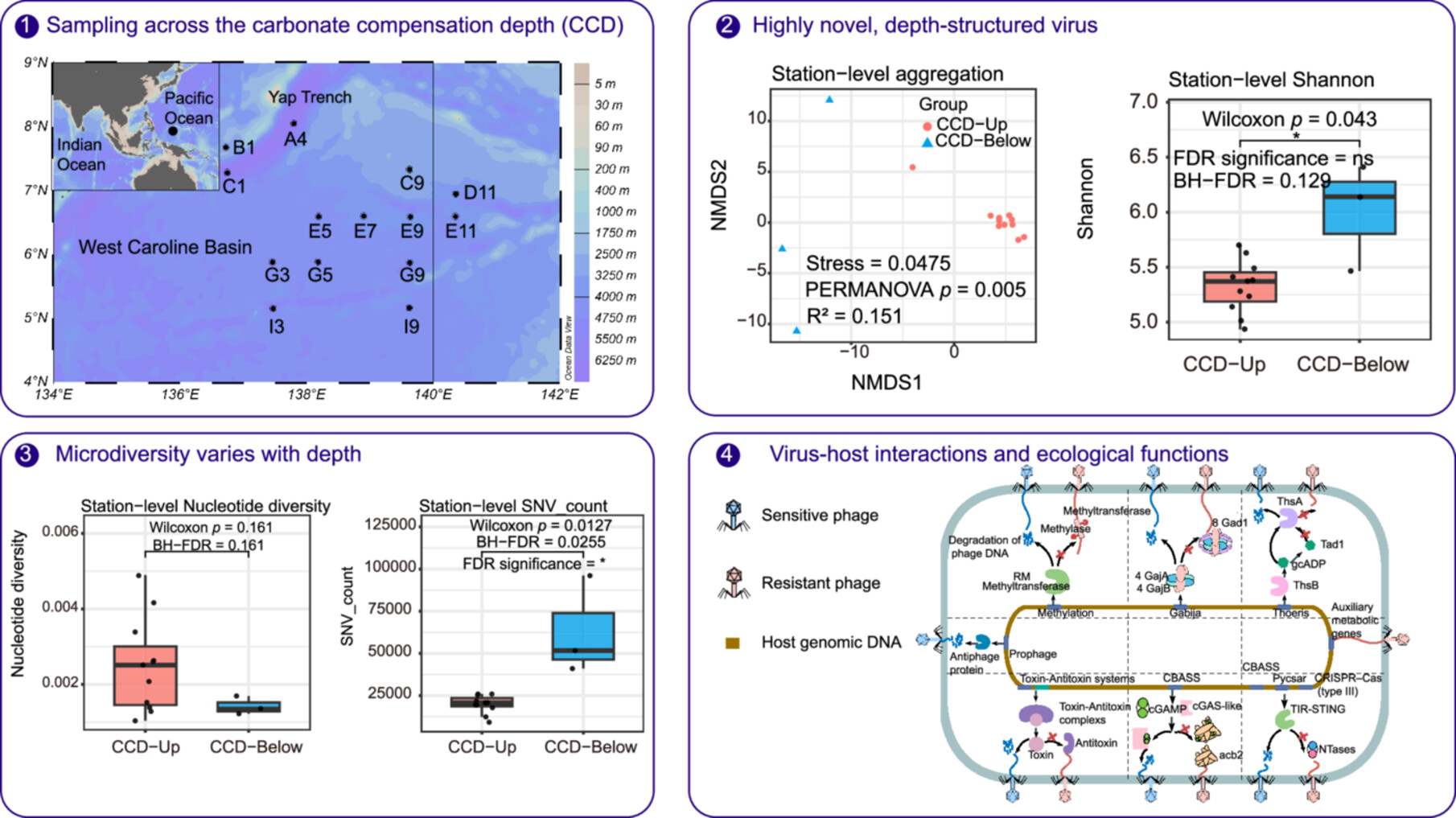
Deep-sea trenches are the deepest and most isolated environments in the global ocean but the diversity and adaptation of the viral communities remain poorly characterized. In this study, 5563 viral operational taxonomic units (vOTUs) were identified from sediments of the Yap Trench and Western Caroline Basin. More than 99% of these vOTUs could not be assigned to known viral families and showed limited similarity to sequences in current global viral databases, indicating substantial novelty. Viral community composition and diversity were found to significantly vary with water depth. The vOTUs also encoded a diverse range of functional genes possibly related to their ability to survive in extreme deep-sea sediments, including genes involved in lipid metabolism, DNA modification, and immune evasion. The results show that deep-sea trench sediments contain highly distinct viral communities structured by depth-associated environmental variations.