
Human biomarker navigator
- 20 August 2026

The Human Biomarker Navigator integrates the disease continuum, biomarker dynamics, cross-organ biomarker networks, biomarker classification, and technology-driven paradigms. It maps how biomarkers link multi-system physiology and pathology across the nervous, respiratory, endocrine, circulatory, immune, digestive, urinary, reproductive, and musculoskeletal systems. Within the cross-organ network, representative biomarkers span inflammation and tissue remodeling (SAA, PTX3, MMPs), pulmonary function (FEV1/FVC), angiogenesis and vascular injury (VEGF, PlGF), oncology and minimal residual disease (cfDNA, CTC, MRD, FLT3-ITD, KRAS, PD-L1, CEA, CA125, CA19-9, GPC1/GPC3), cardiac injury and heart failure (hs-cTn, CK-MB, NT-proBNP, Gal-3), hepatic metabolism and injury (ALT, AST, GGT, ALP, DCP, bile acids), renal function and damage (eGFR, UACR, cystatin C, KIM-1, NGAL), neuroimmunity (Aβ42/40, MOG-IgG, LGI1 antibodies), and bone turnover (PINP, OPG, OC, β-CTX, DKK-1). By enabling integrative detection, it supports early diagnosis, stratification, and treatment monitoring.
Multi-omics–driven precision medicine
- 25 August 2026
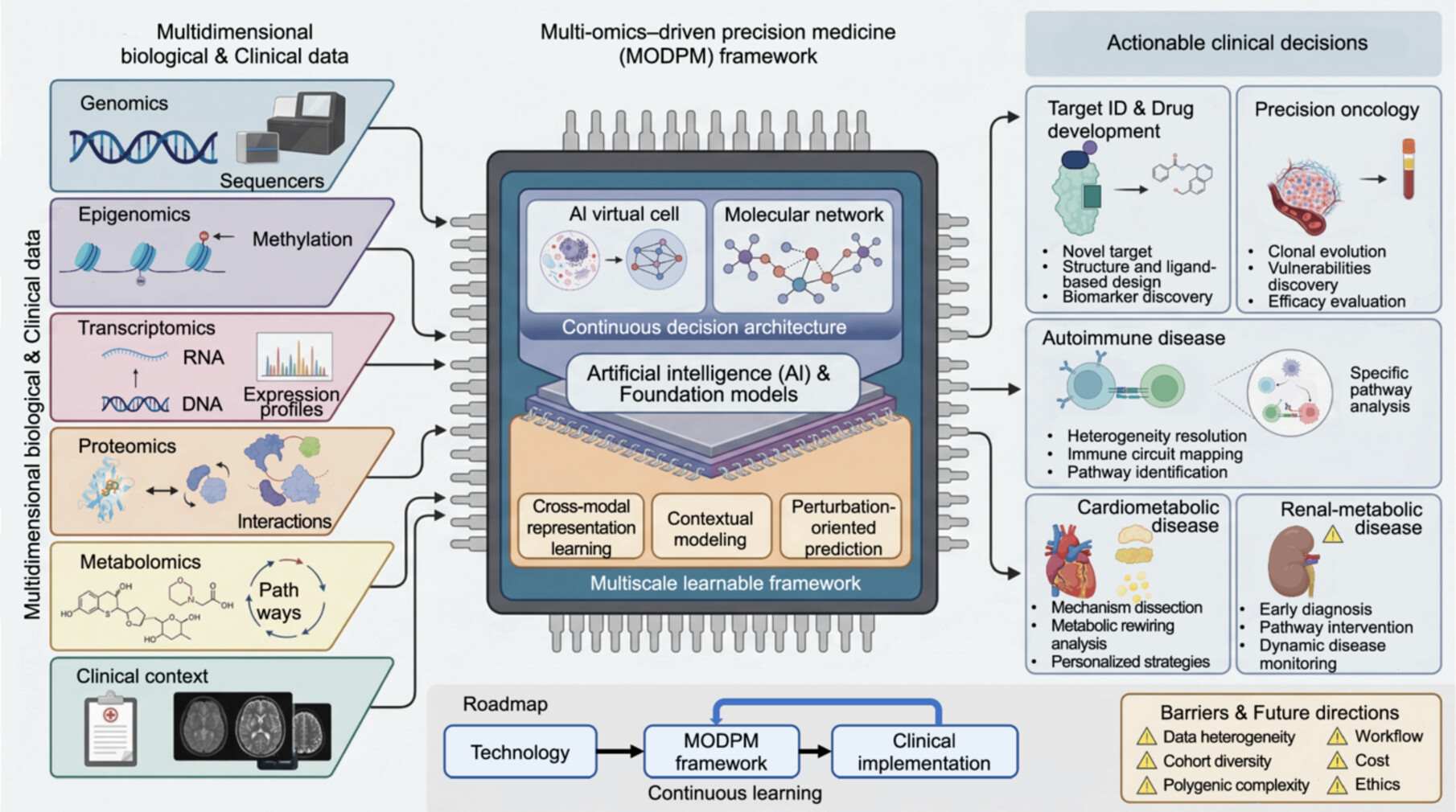
Multi-omics-driven precision medicine (MODPM) provides a multiscale, continuously learnable framework that integrates genomics, epigenomics, transcriptomics, proteomics, metabolomics, microbiome profiles, and clinical data. Powered by artificial intelligence and foundation models, MODPM enables cross-modal representation learning, contextual modeling, molecular network inference, and perturbation-oriented prediction. This framework transforms multidimensional biological information into actionable clinical decisions by advancing target identification, drug development, biomarker discovery, disease stratification, precision oncology, and individualized management across disease areas such as autoimmune, cardiometabolic, and renal–metabolic diseases. Continuous feedback from clinical implementation further refines models, supports dynamic monitoring, and addresses barriers related to heterogeneity, cohort diversity, workflow, cost, and ethics.
Deciphering transcriptome complexity via long-read sequencing
- 04 October 2026
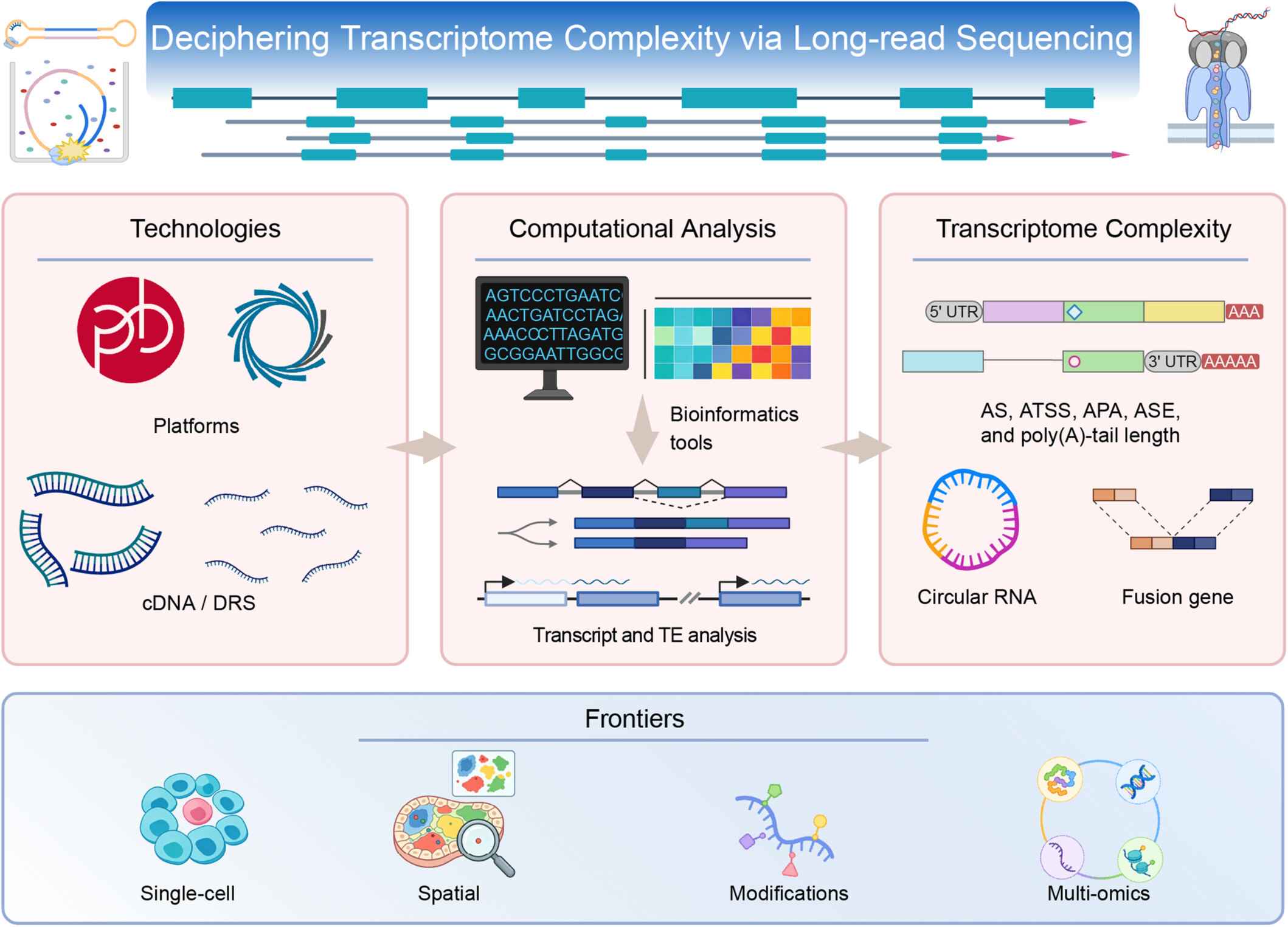
Long-read sequencing is transforming transcriptomics from gene-level quantification to isoform-resolved interpretation by directly resolving full-length transcript structures, transcription in repetitive regions, and linked molecular features. This review provides an end-to-end roadmap covering sequencing platforms, library preparation strategies, computational workflows, the analysis of transcriptome complexity, and downstream analyses. It further highlights current challenges and emerging frontiers, including single-cell and spatial transcriptomics, direct RNA modification detection, and integrated multi-omics approaches.
Infection mechanisms of Rhizoctonia cerealis in wheat
- 05 October 2026
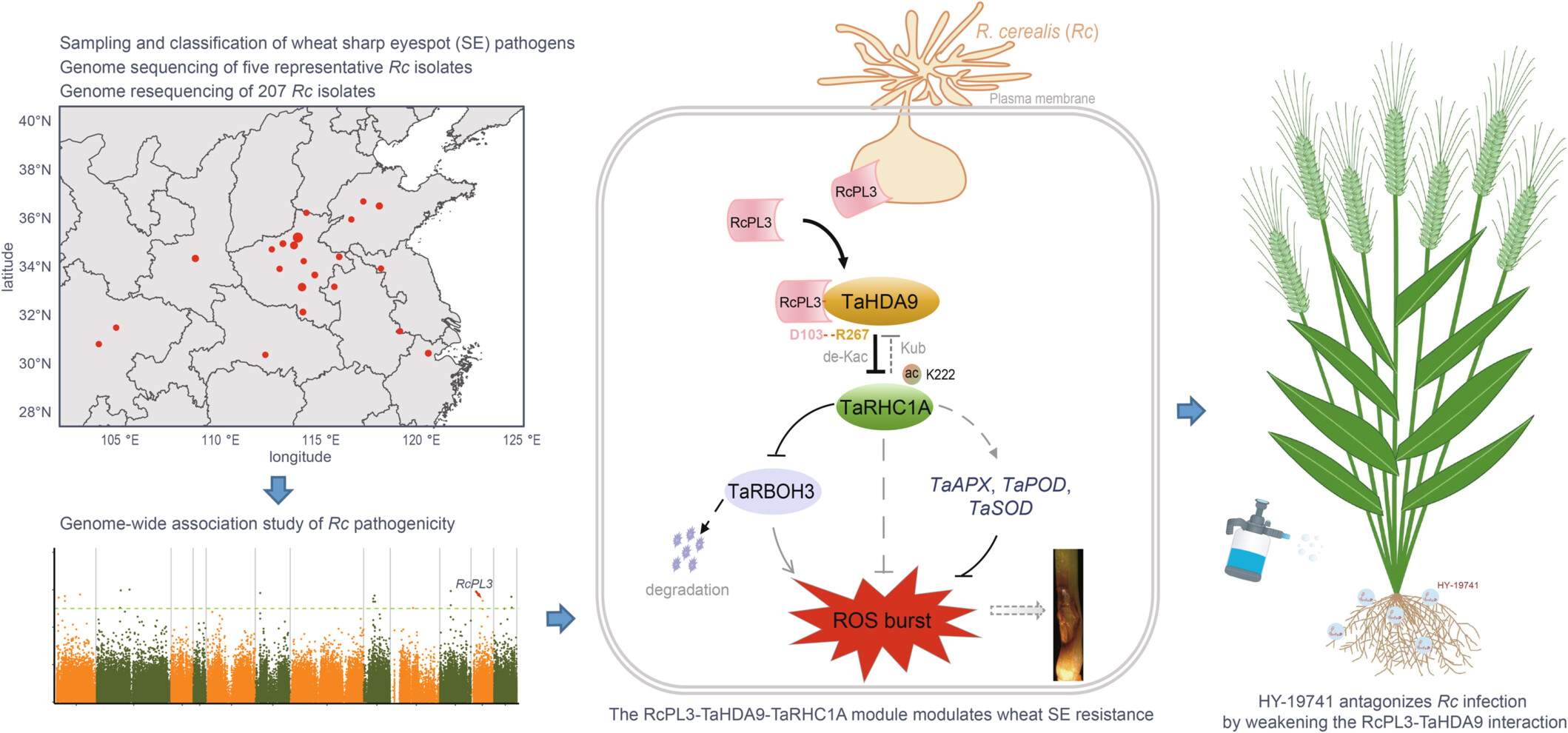
We discover that R. cerealis (Rc) is a primary pathogen causing sharp eyespot of wheat after 335 distinct isolates were isolated from 1683 SE-diseased wheat plants across China over 7 years using a single hyphal tip isolation method. We then generated high-quality reference genomes via de novo sequencing of five representative Rc isolates and constructed a genomic variation atlas by resequencing 207 Rc isolates. We further identify RcPL3 as a key effector by integrating genome, transcriptome, and genome-wide association study analyses, and find that RcPL3 recruits TaHDA9 to suppress TaRHC1A by deacetylation and thus inhibits degradation of TaRBOH3 by TaRHC1A, finally resulting in ROS burst that contributed to SE susceptibility in wheat plants. Furthermore, we identified HY-19741 as an antagonist to effectively impede Rc infection by weakening the interaction of RcPL3 and TaHDA9. This work reveals a novel fungal pathogenic cascade and provides a candidate agent for wheat disease control.
Monocyte inflammation and adaptive immune dysfunction in severe Klebsiella pneumoniae pneumonia
- 21 September 2026
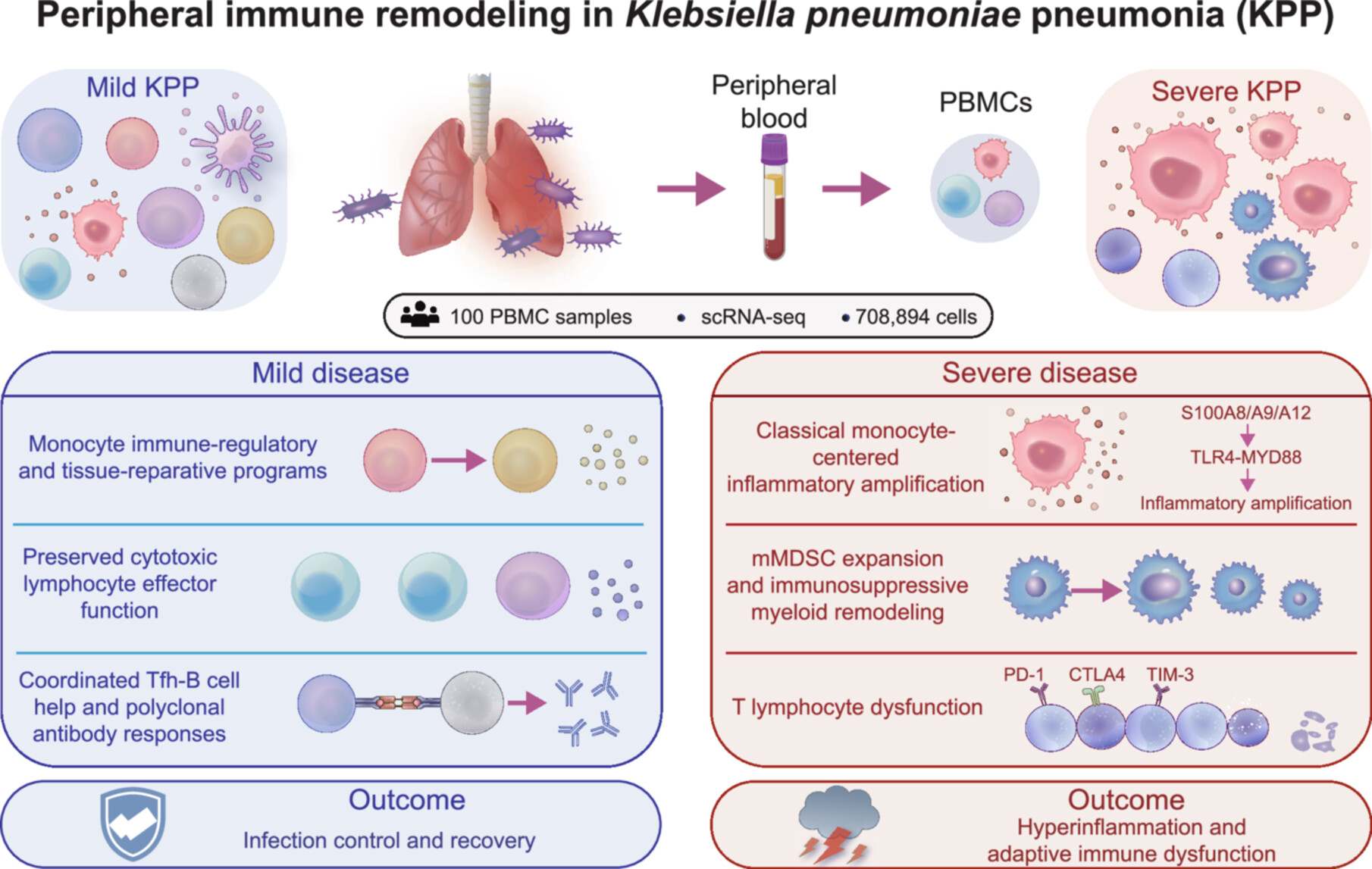
Severe Klebsiella pneumoniae pneumonia combines intense inflammation with failure to control infection, yet the cellular basis is unclear. Using a severity-focused single-cell atlas of 708,894 peripheral blood mononuclear cells from 100 individuals, complemented by plasma protein measurements and flow cytometry, we show that disease severity redirects rather than simply amplifies systemic immunity. Mild disease preserves coordinated host defense: immune-regulatory and tissue-reparative monocytes, intact cytotoxic lymphocytes, and T follicular helper–B cell coordination. Severe disease is characterized by S100A8/A9/A12-high inflammatory monocytes with enhanced TLR4–MYD88 signaling, expansion of monocytic myeloid-derived suppressor cell-like states, and impaired dendritic cell antigen presentation. These myeloid changes accompany dysfunctional CD4+ T cells, cytotoxicity- and exhaustion-associated CD8/NK cells, and weakened expression of B cell receptor signaling-related genes despite plasma cell accumulation. Severe disease is characterized by a systemic pattern of impaired immune coordination, highlighting monocyte-derived S100 alarmins as candidates for future mechanistic and therapeutic investigation.
Gut Enterococcus faecium derived leucic acid mediates the antiobesity effect of dietary fiber
- 21 September 2026
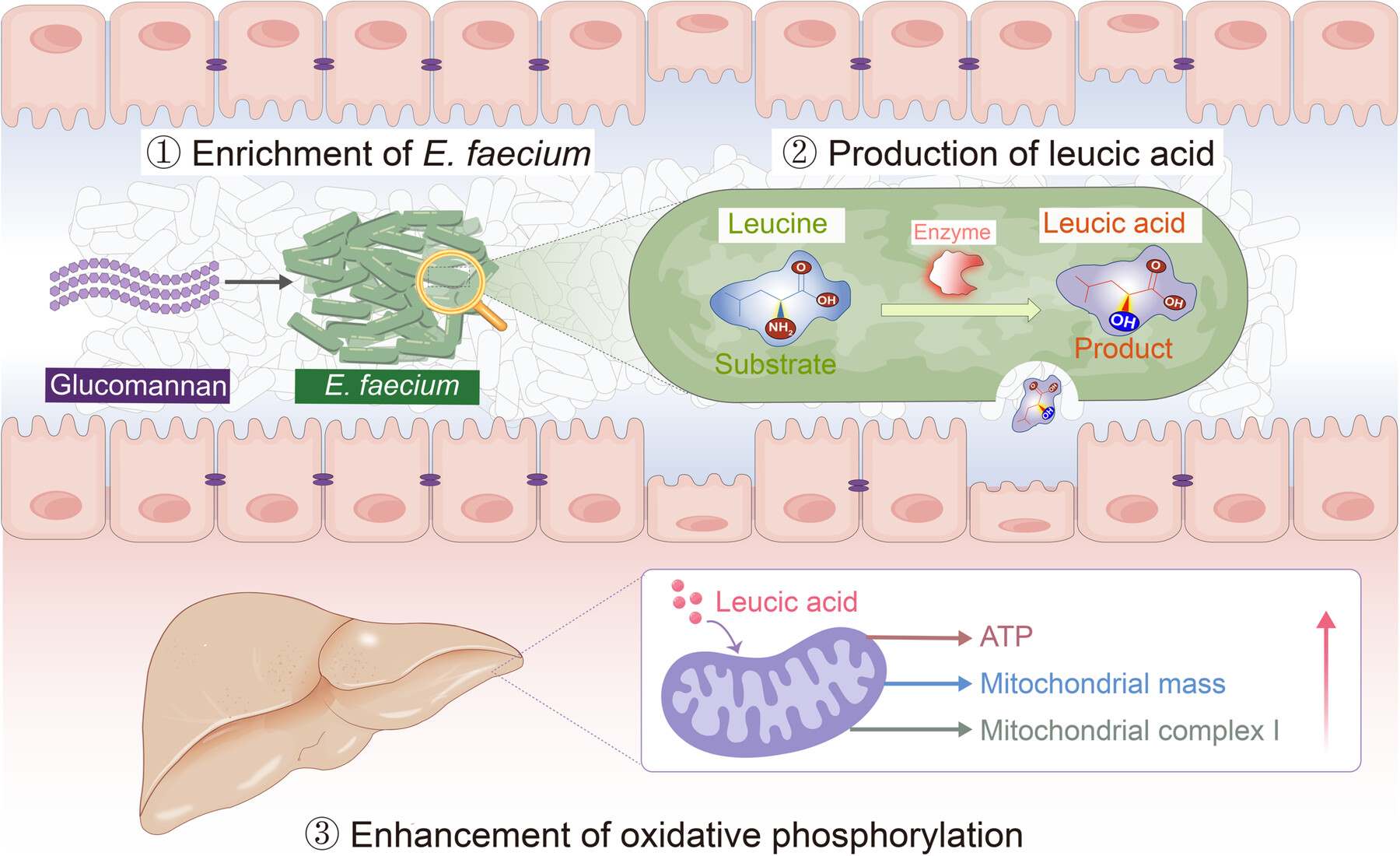
This study identified Enterococcus faecium as a gut bacterium with anti-obesity activity, which alleviated adipocyte hypertrophy, dyslipidemia, and hepatic steatosis by converting leucine into leucic acid (LEA) to regulate mitochondrial oxidative phosphorylation. In addition, dietary glucomannan effectively enriched this bacterium, providing a theoretical basis for developing precision dietary fiber-based anti-obesity strategies targeting the gut microbiota.
Different gut microbiome dysbioses impact the evolutionary fate of hypervirulent Klebsiella pneumoniae
- 23 September 2026
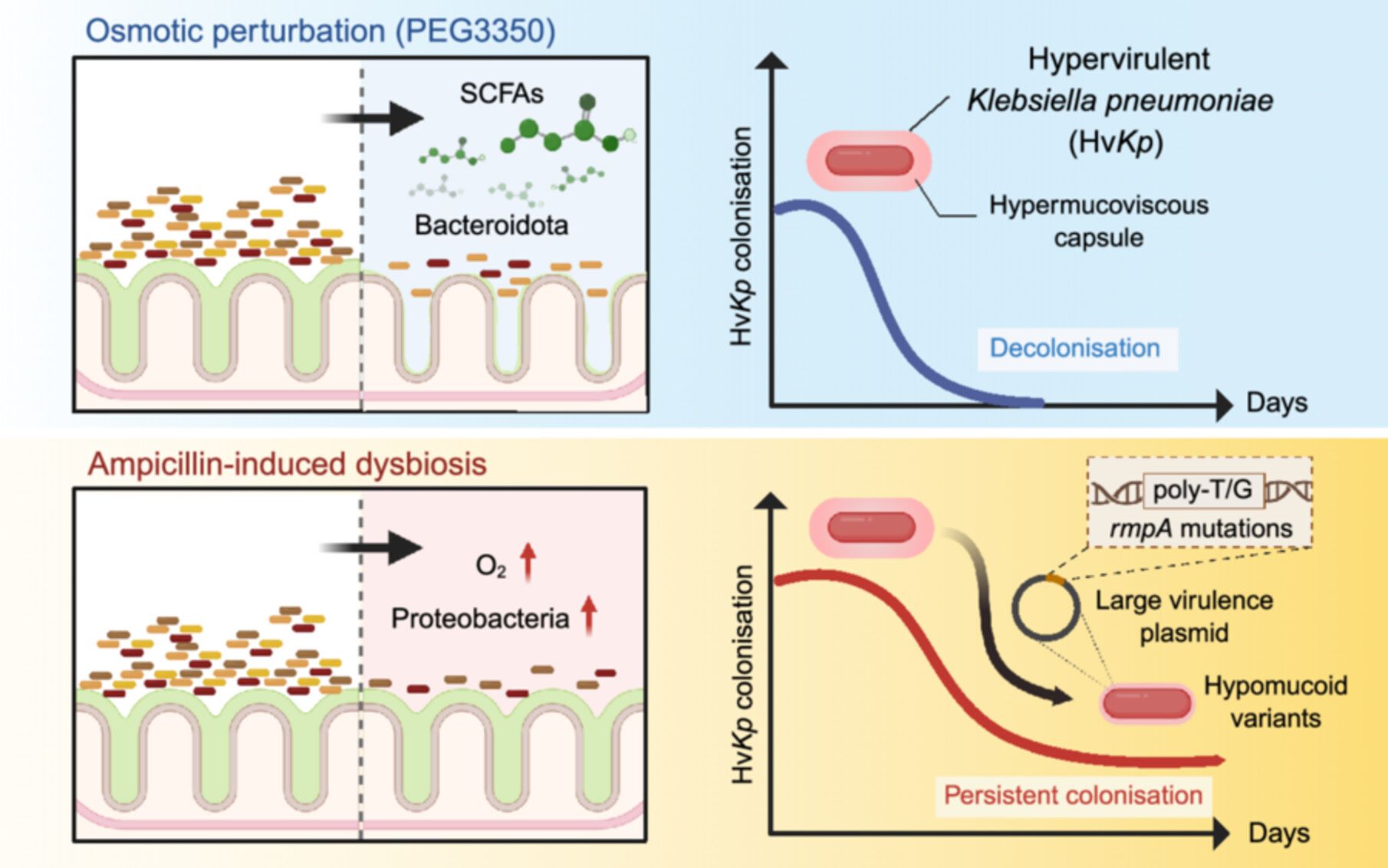
Transient exposure to ampicillin results in restructuring of microbiota to favor oxygen-tolerant bacteria, whereas osmotic laxative perturbation preserves Bacteriodota. Ampicillin- but not laxative-exposed environment favors establishment of rmpA phase variants that lost hypermucoviscosity but short-chain fatty acids present in the laxative-exposed gut may constrain the establishment of these phase variants.
Dissecting the angiogenic mechanism of pachychoroid polypoidal choroidal vasculopathy
- 30 September 2026
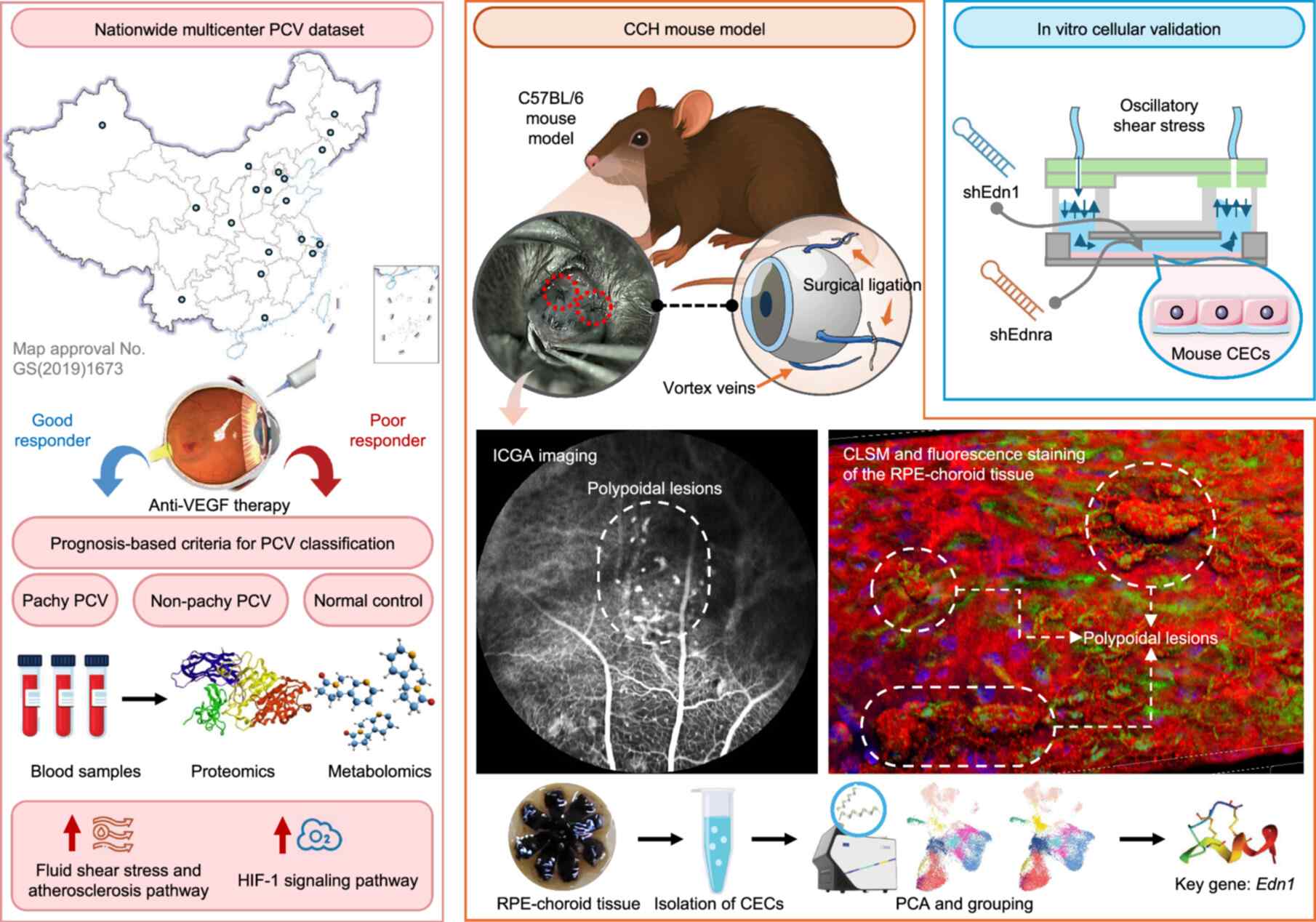
A prognosis-oriented classification system was established to distinguish Pachy PCV from Non-pachy PCV using a large multicenter dataset. Comparative plasma multi-omics profiling of Pachy PCV, Non-pachy PCV, and normal controls revealed unique upregulation of the fluid shear stress and atherosclerosis (FSS-AS) and HIF-1 signaling pathways in Pachy PCV. Vortex vein-ligation mouse models were then developed to demonstrate that choroidal circulatory hypertension (CCH) was a critical driver of polypoidal lesion formation in Pachy PCV. ScRNA-seq analysis further identified Edn1 as a key regulator of CCH-induced PCV-like lesion formation through the EDN1/EDNRA axis and the FSS-AS and HIF-1 pathways, which was further validated by both in vivo and in vitro experiments.
Gut virome orchestrates nitrogen partitioning between the host and microbiome
- 04 October 2026
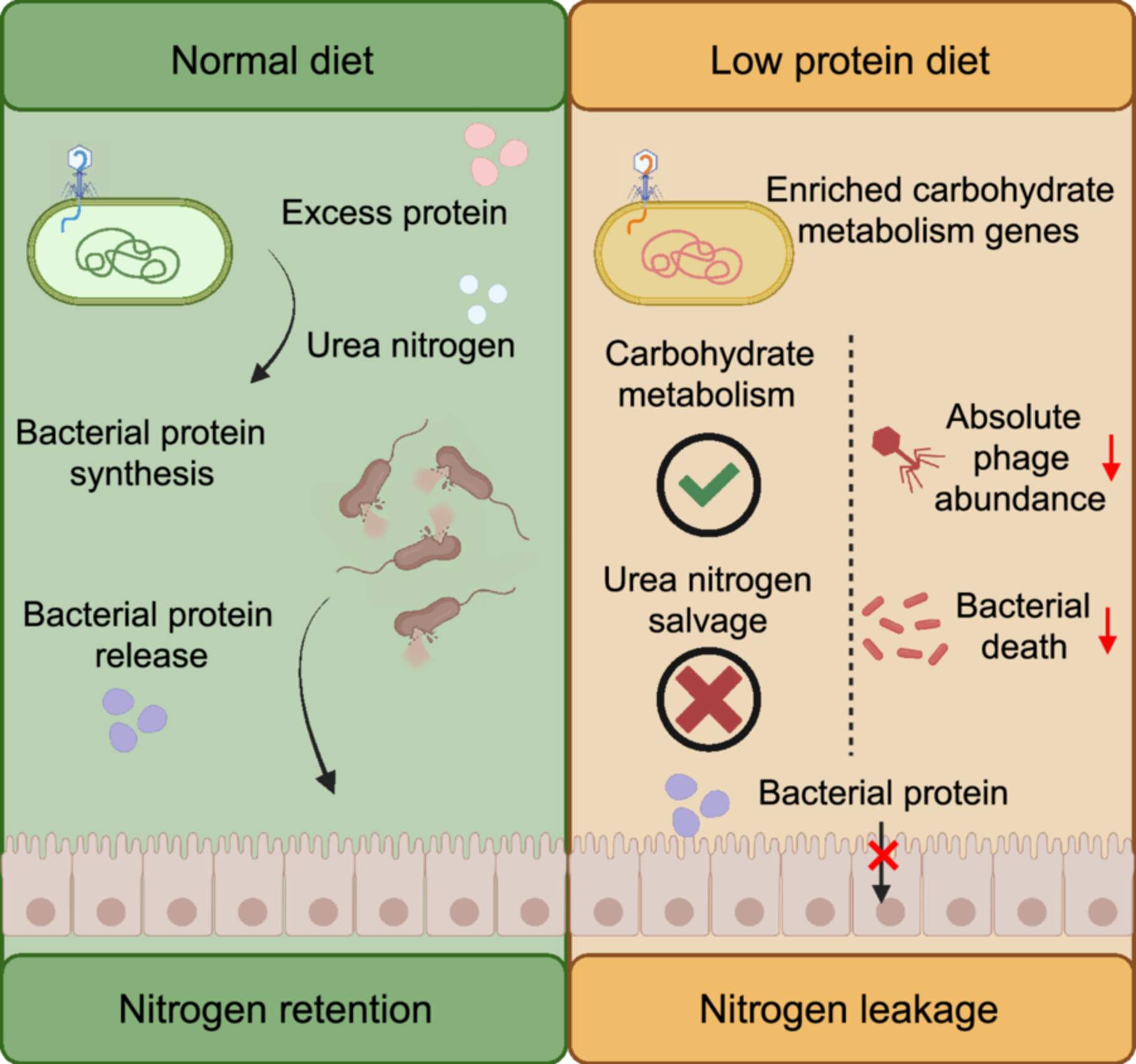
Under normal protein intake, lytic phages promote bacterial turnover, releasing microbial nitrogen that can be assimilated by the host and thereby revealing phage-mediated lysis as a potential pathway for host nutrient acquisition. Under protein restriction, however, phages shift toward a lysogenic strategy, reducing bacterial death and microbial protein release and ultimately limiting nitrogen availability to the host. Concurrently, protein restriction promotes the expansion of carbohydrate-utilizing bacteria in association with phages carrying carbohydrate metabolism-associated auxiliary metabolic genes, which further constrains ureolytic bacterial niches and thereby impairs intestinal urea nitrogen recycling.
Domesticated bacterial origin genes regulate homeostasis of the insect gut microbiome and empower adaptation
- 15 October 2026
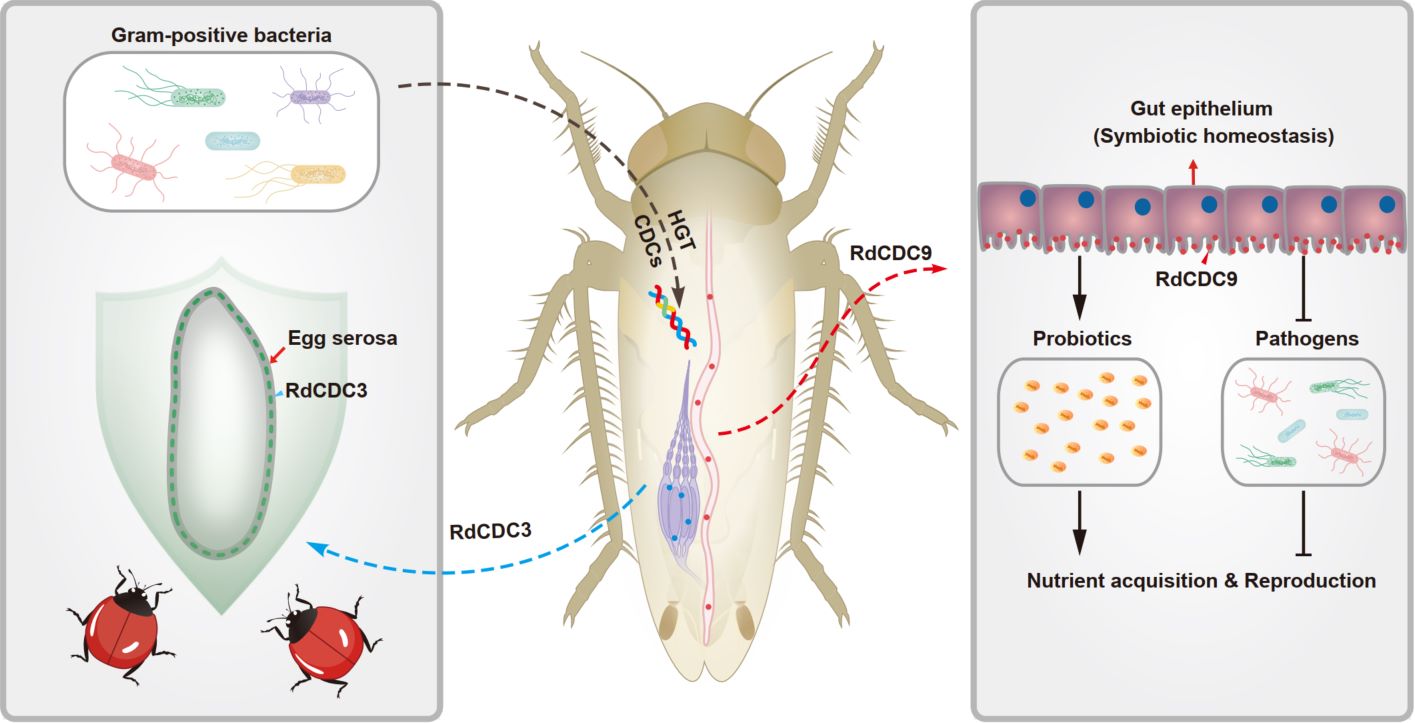
Horizontal gene transfer introduced bacterial CDC genes into the leafhopper genome, providing genetic material for subsequent evolutionary innovation. Different CDC copies diversified at the sequence, structural, and functional levels. RdCDC3 retained its ancestral pore-forming activity and was recruited for egg defense, whereas RdCDC9 lost its toxicity and may contribute to the regulation of the gut microbial community and host development. These findings highlight the functional diversification and adaptive significance of horizontally acquired genes in leafhoppers.
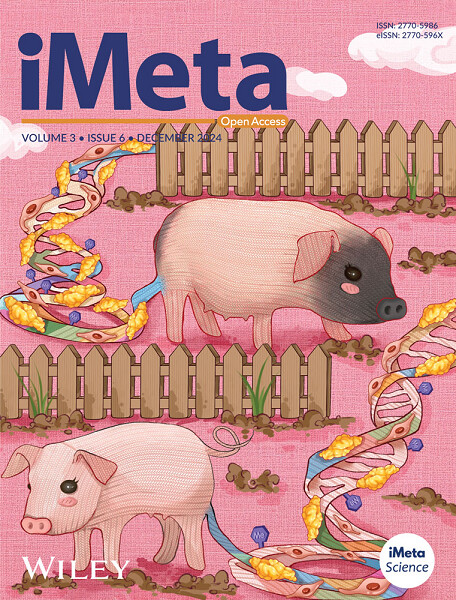
Maternal microbiota shapes brain and neuroendocrine development in piglets
- 26 October 2026
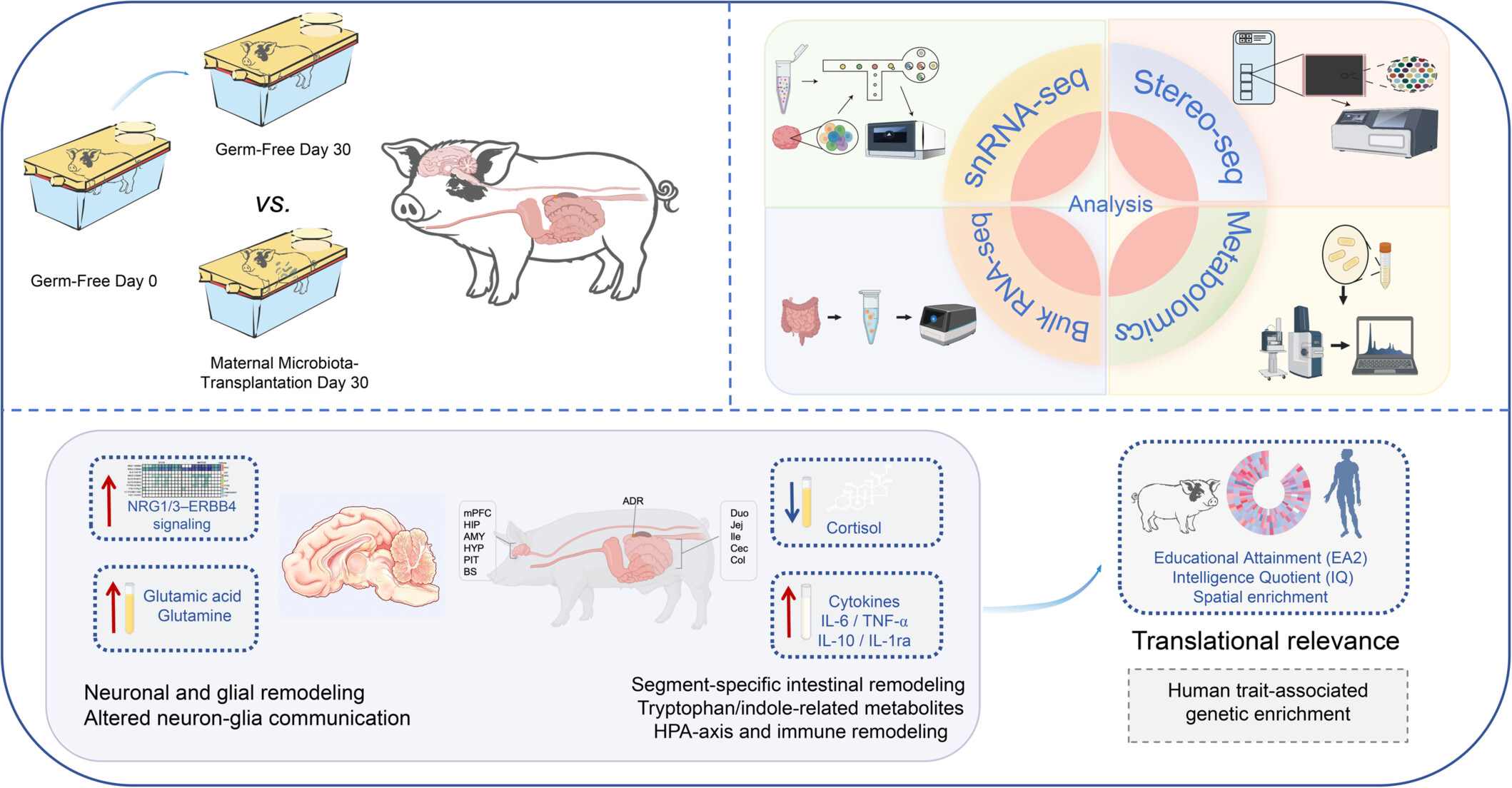
Using germ-free and maternal microbiota-transplanted piglets, we constructed an integrated multi-organ atlas combining snRNA-seq, Stereo-seq, intestinal transcriptomics, and metabolomics. Maternal microbiota transplantation was associated with neuronal and glial remodeling, altered neuron–glia communication involving NRG1/3–ERBB4 signaling, trends toward increased plasma glutamic acid and glutamine, segment-specific intestinal metabolic remodeling, and reduced plasma cortisol. Cross-species analyses further revealed enrichment and spatial localization of human cognitive and neuropsychiatric trait-associated genetic signals in the porcine brain.
Decoding ferroptosis via integrated multi-omics analyses in rice blast
- 07 October 2026
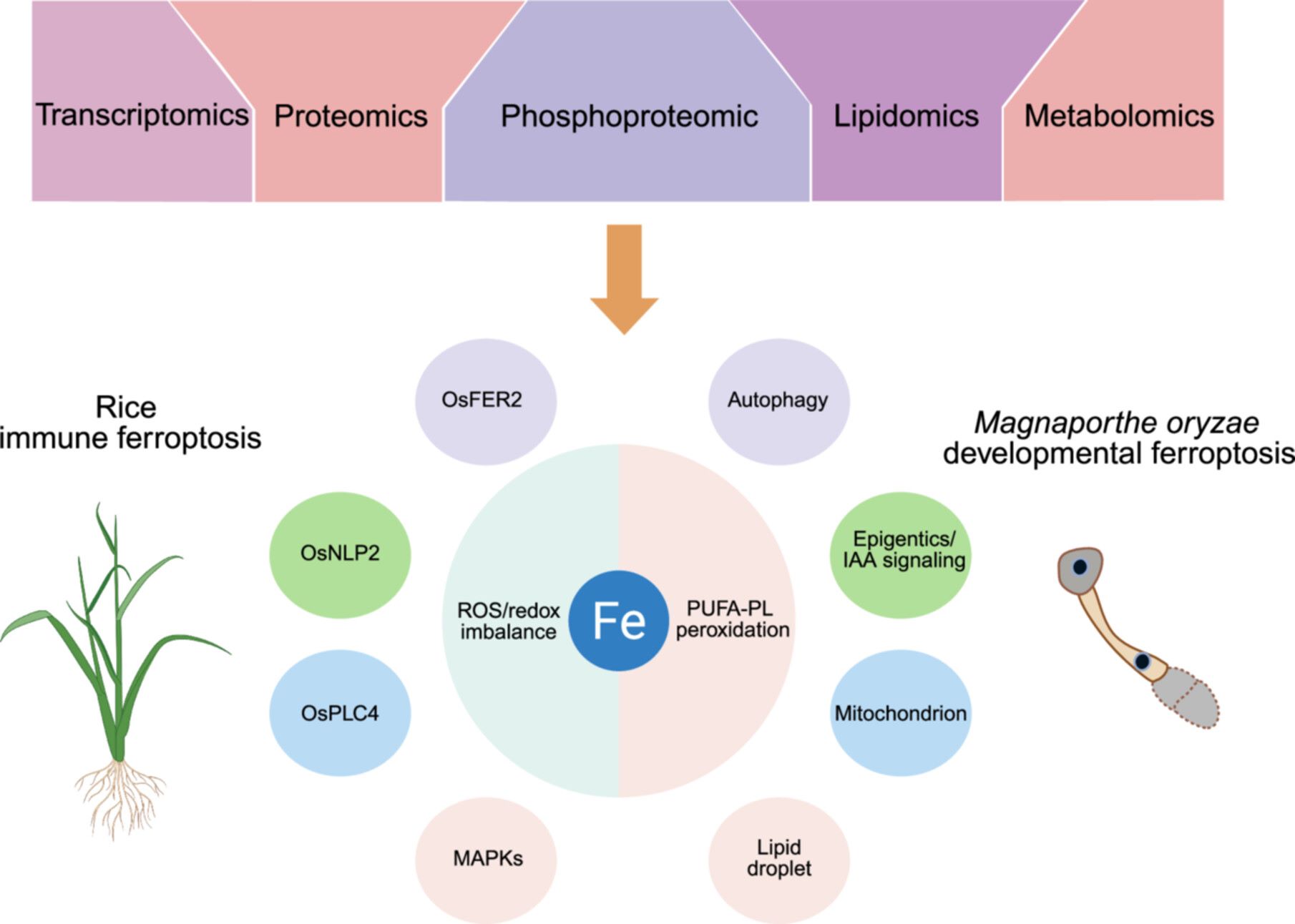
The rice-Magnaporthe oryzae pathosystem is presented as a host-pathogen ferroptosis model. Multi-omics insights connect ferroptosis to several cellular processes, such as iron homeostasis, reactive oxygen species (ROS)/redox imbalance, and polyunsaturated fatty acid-containing phospholipid (PUFA-PL) peroxidation, under multiple regulators in rice and M. oryzae, respectively. Interestingly, ferroptosis drives two opposite biological outcomes: fungal infection-related development and rice immunity.
Soil-derived, gut-dominant generalist bacteria shape the fitness of folivorous larvae
- 30 August 2026
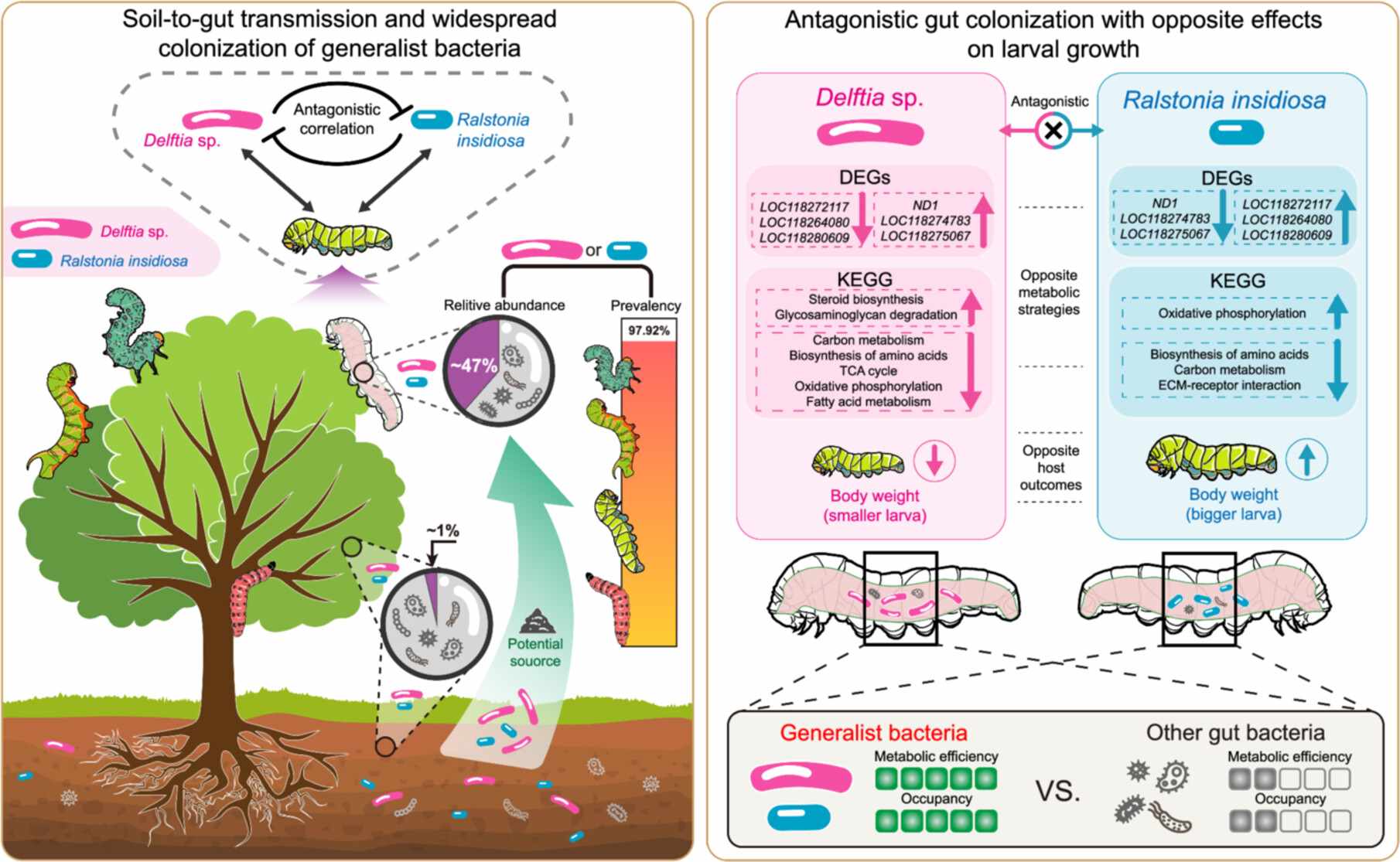
Whether Lepidoptera harbor a conserved core gut microbiome has long remained contentious. Through large-scale microbiome profiling of folivorous larvae, their host plants, and associated soils across three climatically distinct regions of China, we identify two soil-derived generalist bacteria, Ralstonia insidiosa and Delftia sp., that colonize 97.92% of larval species examined, attaining mean relative abundances exceeding 47%, with the soil microbial reservoir as their principal source. Strikingly, these two taxa exhibit strong mutual exclusion within the larval gut yet govern host development through diametrically opposed metabolic strategies: R. insidiosa promotes larval weight gain, whereas Delftia sp. suppresses growth. This functional bifurcation, in which two widespread generalists exert opposite phenotypic effects, represents a previously undescribed phenomenon in insect-microbe symbiosis. Our findings provide broad evidence that soil microbial reservoirs can shape aboveground herbivore fitness via horizontally acquired bacteria, offering mechanistic insights for microbiome-based ecological management.
Decoding sequence recognition code of nucleic acid-binding proteins of human-infecting DNA viruses
- 08 September 2026
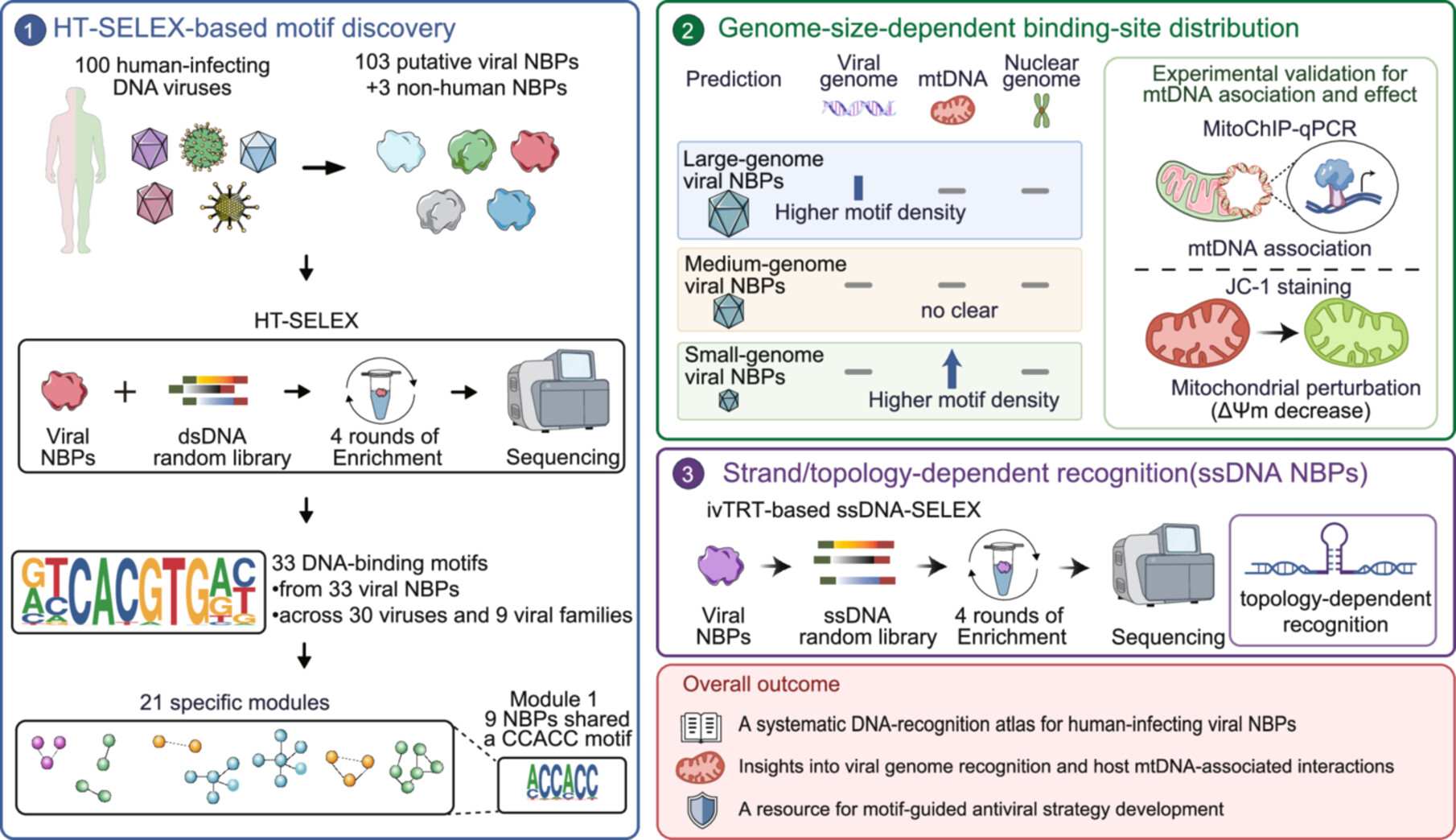
Human-infecting DNA viruses remain major health threats, yet the DNA-recognition mechanisms of their nucleic acid-binding proteins (NBPs) are poorly understood. Here, we systematically profiled 103 viral NBPs from human-infecting DNA viruses, with three NBPs from non-human-infecting DNA viruses as controls, using high-throughput screening. This analysis identified diverse DNA-binding motifs and specificity modules, including convergent recognition of a conserved CCACC motif across phylogenetically distant viruses. Notably, viral NBP binding-site distributions varied with genome size, and several NBPs from small-genome viruses showed enrichment on mitochondrial DNA. Functional assays further supported their mitochondrial association and effects on mitochondrial membrane potential. By integrating an ivTRT-based ssDNA-SELEX workflow, we further found that ssDNA viral NBPs recognize dimer-like and inverted-repeat sequences with potential to form stem-loop structures. Collectively, this study constructs a comprehensive viral NBP DNA-recognition atlas, offering a fundamental resource for elucidating viral genome recognition mechanisms, virus–mitochondria interactions, and developing future antiviral strategies.
Vitamin K2 ameliorates pregnancy- and lactation-associated osteopenia and postpartum depression
- 19 October 2026
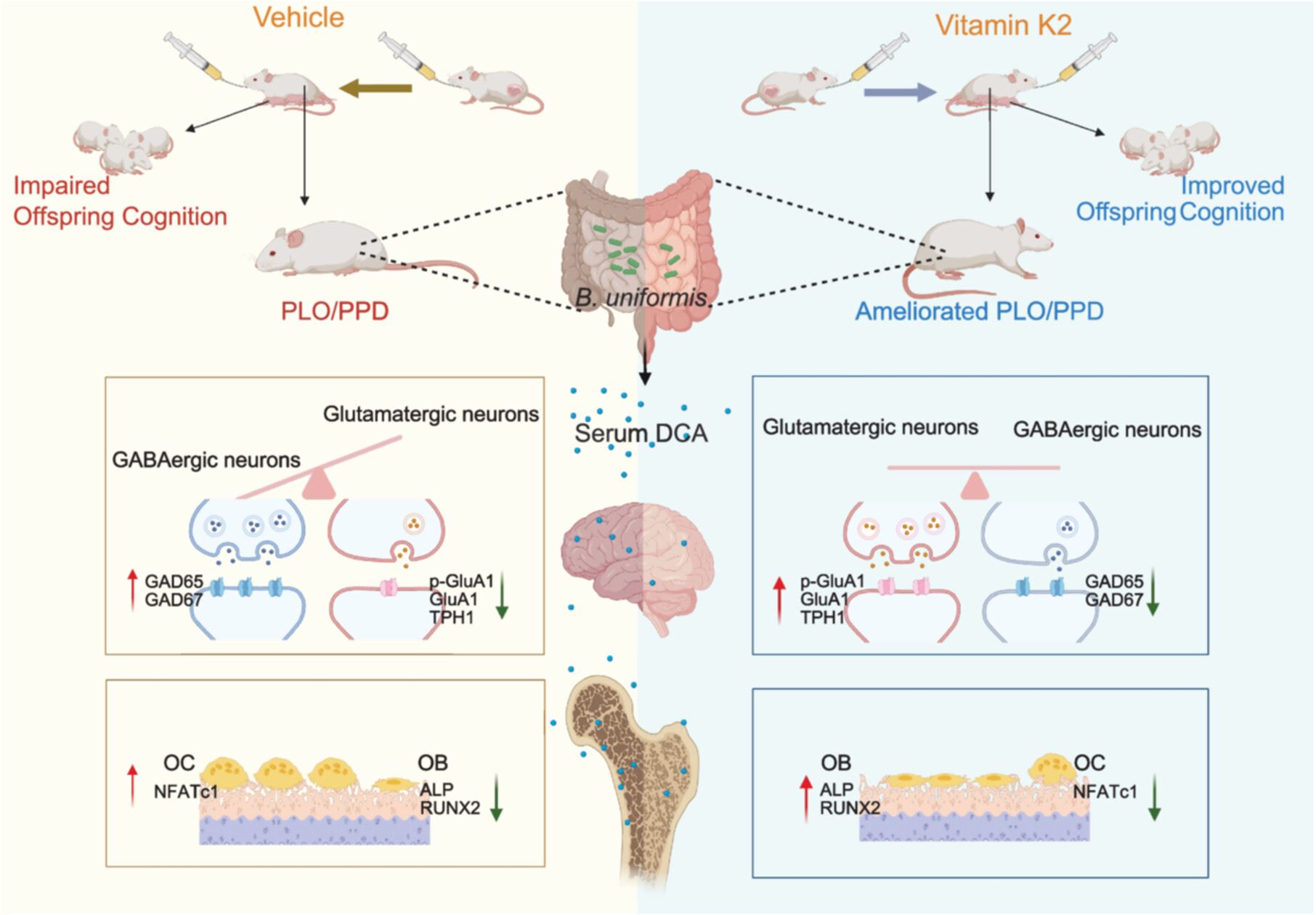
Vitamin K2 (VitK2) supplementation ameliorates comorbid pregnancy- and lactation-associated osteopenia (PLO) and postpartum depression (PPD). These improvements are accompanied by reduced relative abundance of Bacteroides uniformis (B. uniformis) and lower serum deoxycholic acid (DCA) levels. DCA inhibits osteoblast differentiation, promotes osteoclast differentiation, and contributes to an imbalance between hippocampal glutamatergic and GABAergic signaling. Maternal VitK2 supplementation also improves offspring cognition. These findings suggest that modulation of the gut microbiota–bile acid axis may contribute to the beneficial effects of VitK2, supporting the potential of VitK2 as a therapeutic agent for PLO and PPD.
Integrative genomics and regulomics reveal the molecular architecture of complex traits in domestic chickens
- 22 October 2026
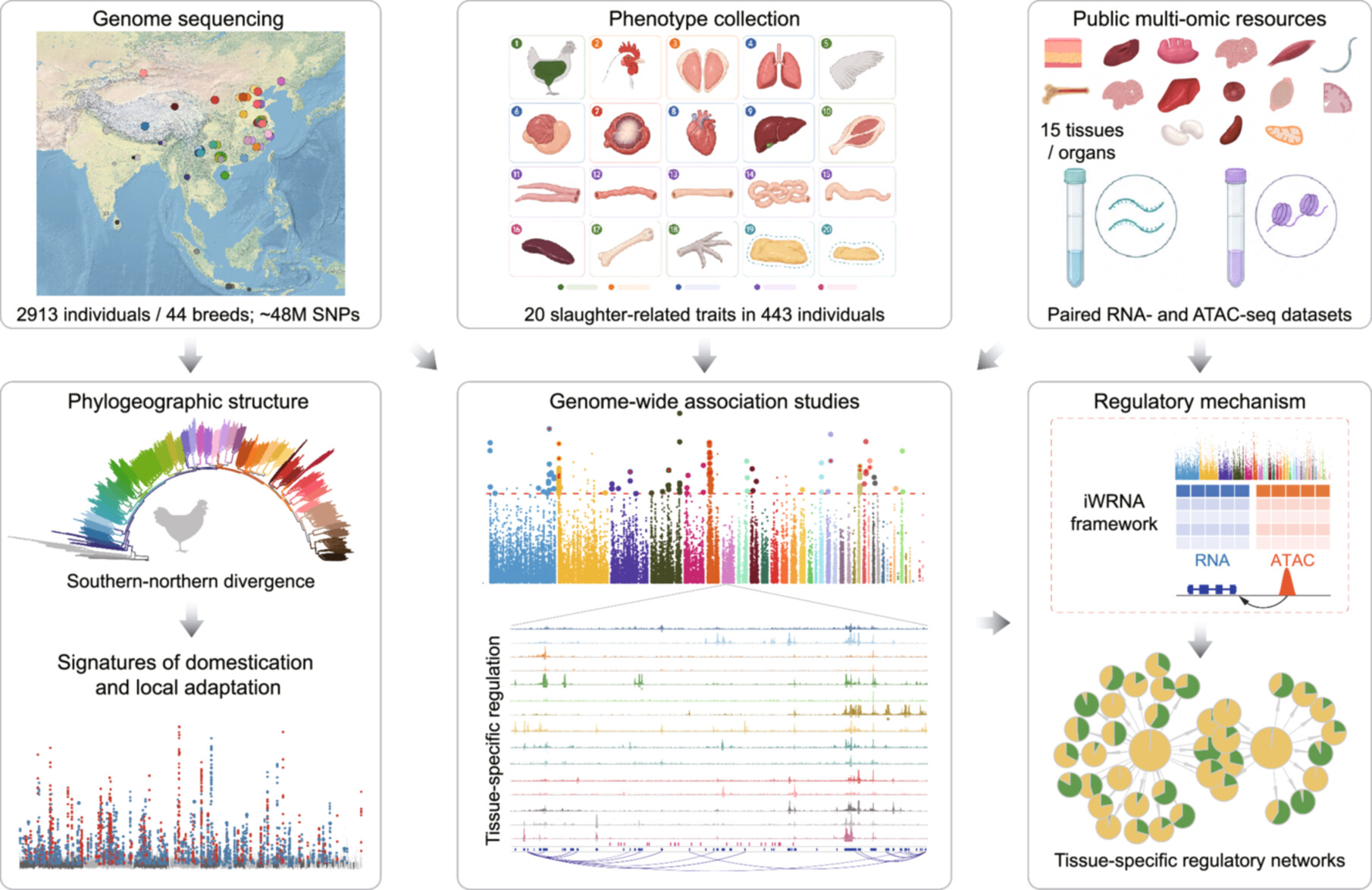
Domestic chickens (Gallus gallus domesticus) exhibit exceptional phenotypic diversity and provide a valuable model for studying domestication and artificial selection. We integrated whole-genome resequencing data from ~3000 individuals with 20 slaughter-related traits. Population genomic analyses revealed pronounced genetic differentiation between northern and southern Chinese indigenous chickens, accompanied by distinct signatures of domestication and local adaptation. To dissect the gene regulatory networks of slaughter-related traits, we developed an Integrated Weighted Regulatory Network Analysis (iWRNA) framework that combines genome-wide association signals with multi-tissue transcriptomic and epigenomic data. This approach enabled the identification of tissue-specific regulatory modules and candidate causal genes underlying economically important traits. Notably, liver-weight-associated loci converged on a hepatic metabolic network in which enhancer activity coordinates gene expression and phenotypic variation. These findings establish a comprehensive regulatory atlas for complex trait variation in chickens and provide new insights into the molecular mechanisms of domestication, adaptation, and vertebrate phenotypic evolution.
Beyond omics: From descriptive profiling to causal and scalable design of fermentation microbiomes
- 30 July 2026
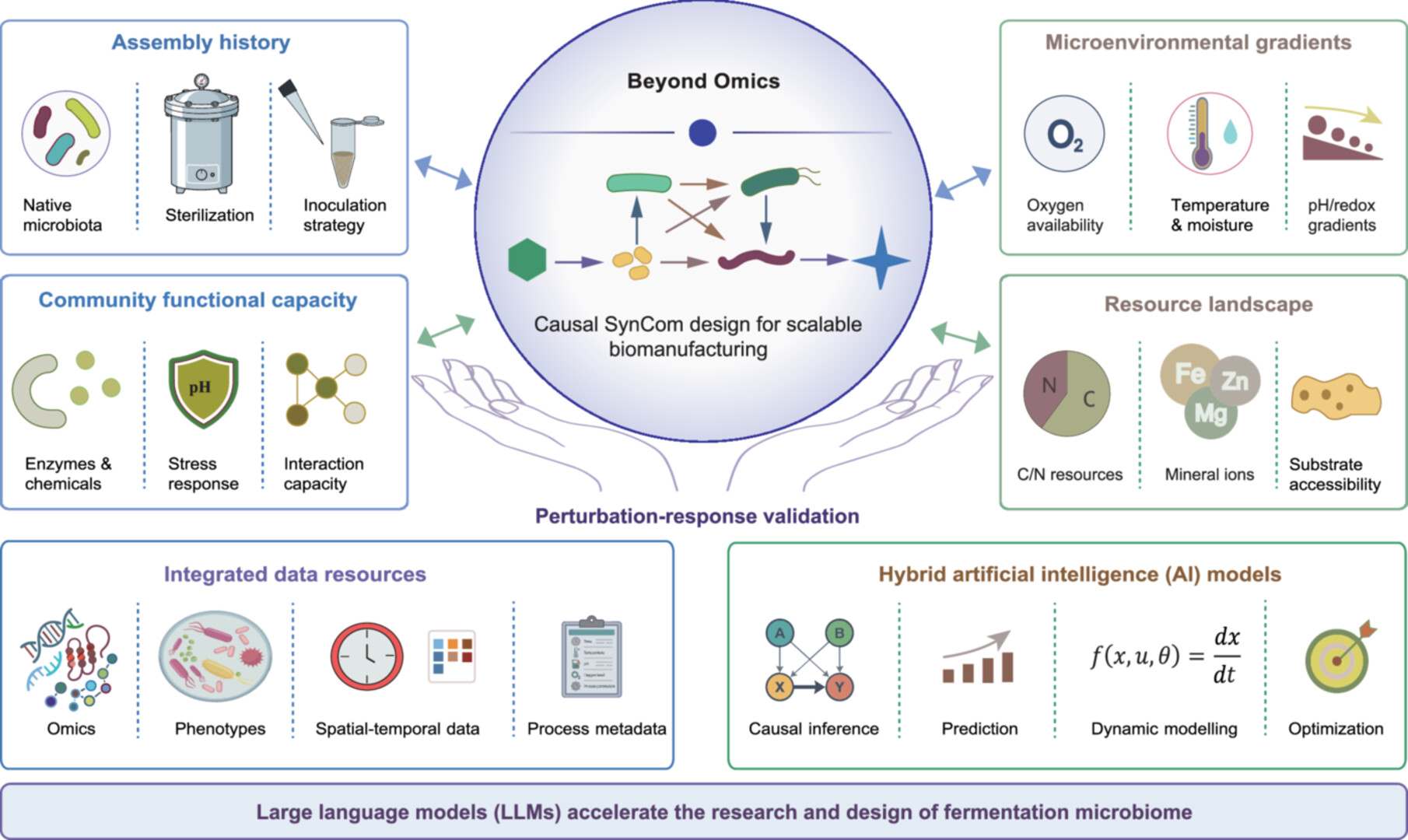
Fermentation microbiomes play essential roles in food production, feed preservation, waste valorization, and diverse sustainable industrial processes. Although multi-omics and systems biology have substantially advanced our understanding of their assembly, interactions, and functional dynamics, industrial translation remains constrained by fragmented datasets, limited causal validation, and transport constraints during scale-up. Large language models act as upper-level knowledge and workflow orchestrators, accelerating data integration, hybrid AI-mechanistic modeling, hypothesis generation, and perturbation-guided learning. Collectively, these advances enable fermentation microbiome research to move beyond descriptive omics toward mechanism-guided synthetic microbial community design, causal validation, and scalable biomanufacturing.