
Wekemo Bioincloud 2026: An AI-enabled platform for standardized multi-omics data analyses
- 08 July 2026
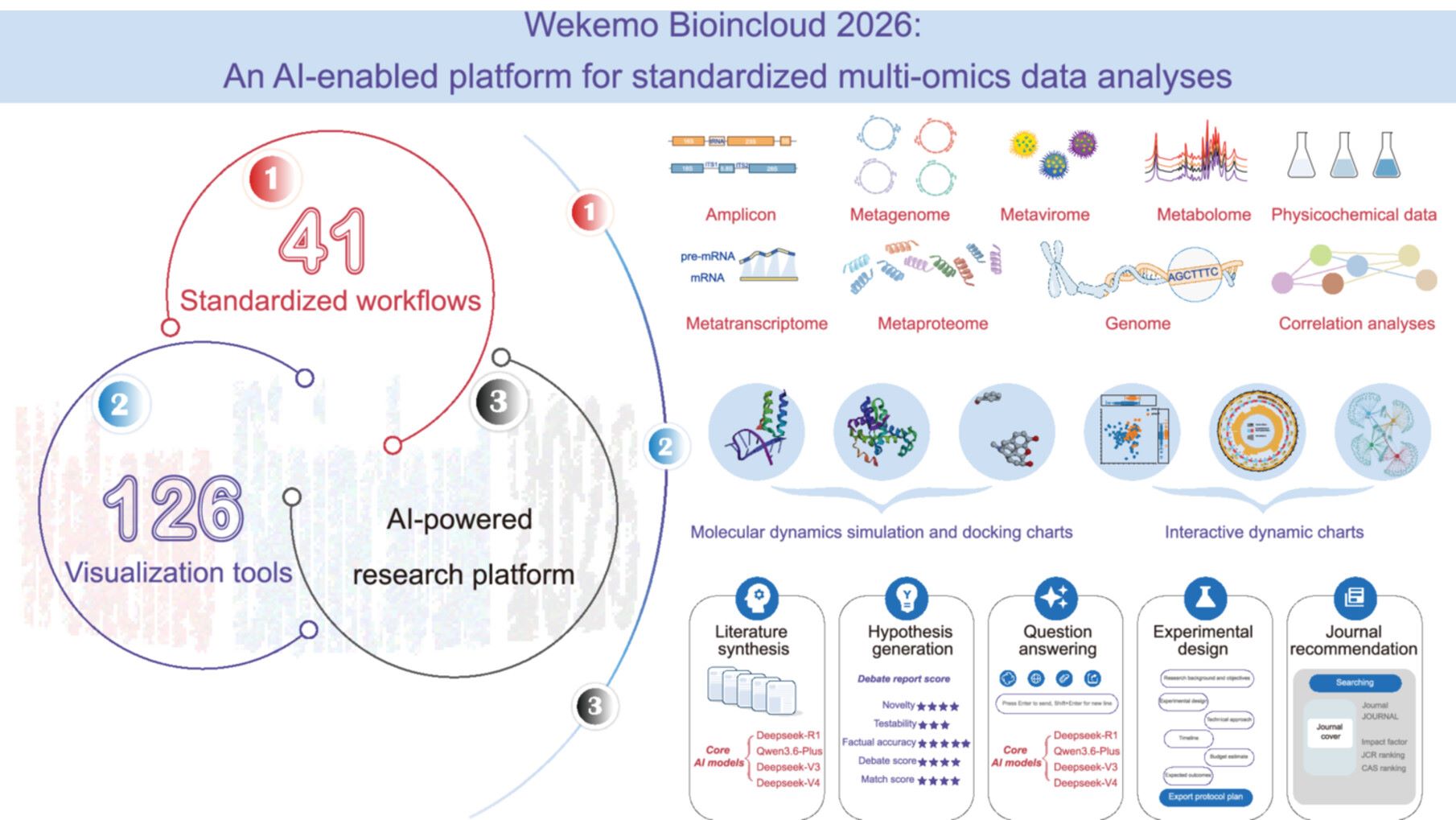
An AI-powered multi-omics cloud platform integrating 41 standardized workflows, 126 visualization tools, and full-lifecycle research intelligence to enable accessible, reproducible, and end-to-end integrative multi-omics analysis.
Hyperoside alleviates endometrial stromal cell senescence in unexplained recurrent spontaneous abortion via DHX9-mediated R-loop resolution
- 13 July 2026
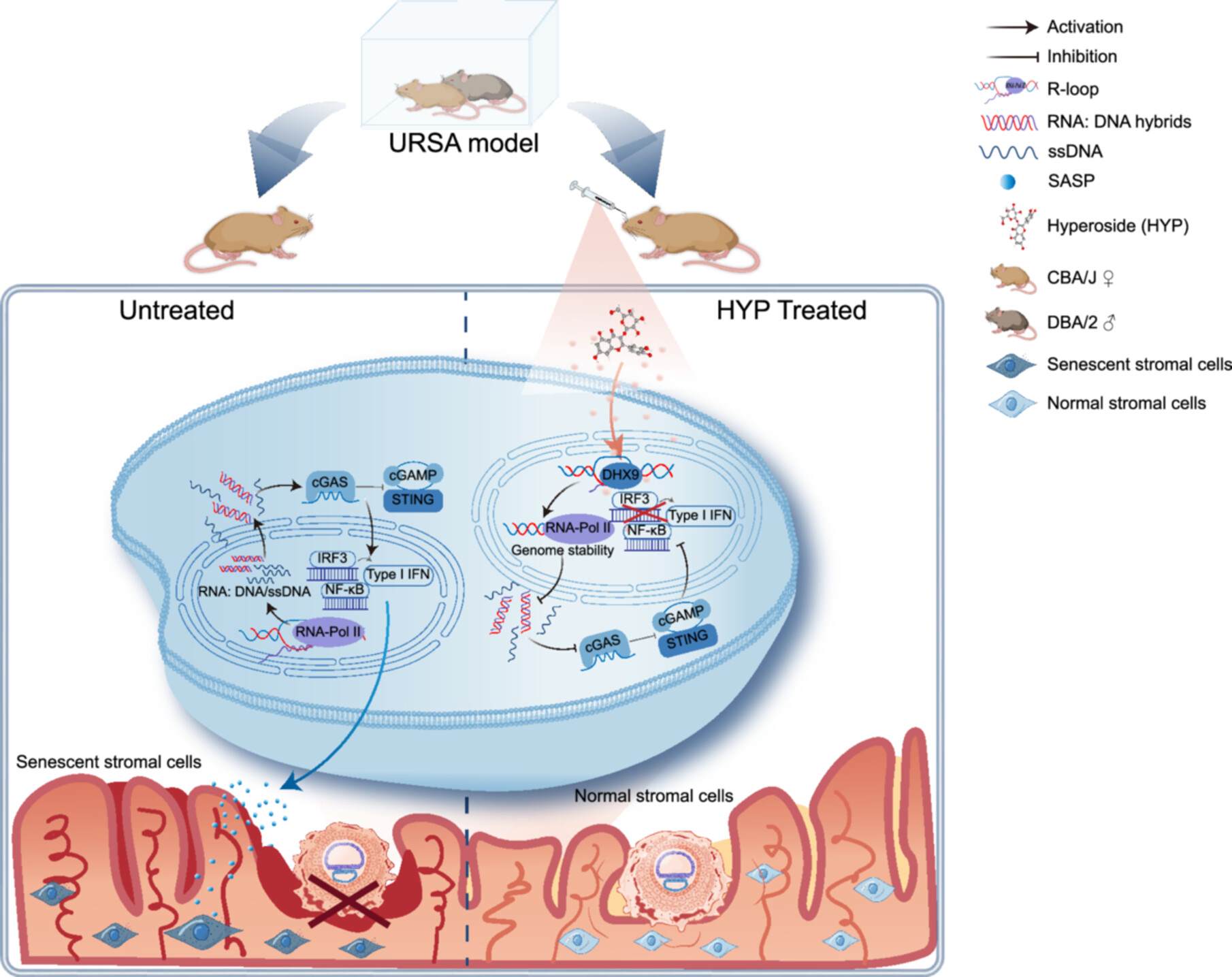
This study suggests that the food-derived flavonoid hyperoside may act as a natural DExH-box helicase 9 (DHX9) modulator, directly targeting Thr419 of DHX9 to help resolve pathological R-loop accumulation. Consequently, it suppresses cyclic GMP-AMP synthase-stimulator of interferon genes (cGAS-STING)-driven endometrial stromal senescence and restores decidualization in unexplained recurrent spontaneous abortion (URSA). These findings indicate that R-loop-induced genomic stress represents a key mechanism in URSA, and position hyperoside as a mechanistically distinct candidate warranting further investigation.
Bazi Bushen Capsule restores fertility by targeting mitochondrial health in aging endometrium
- 29 July 2026
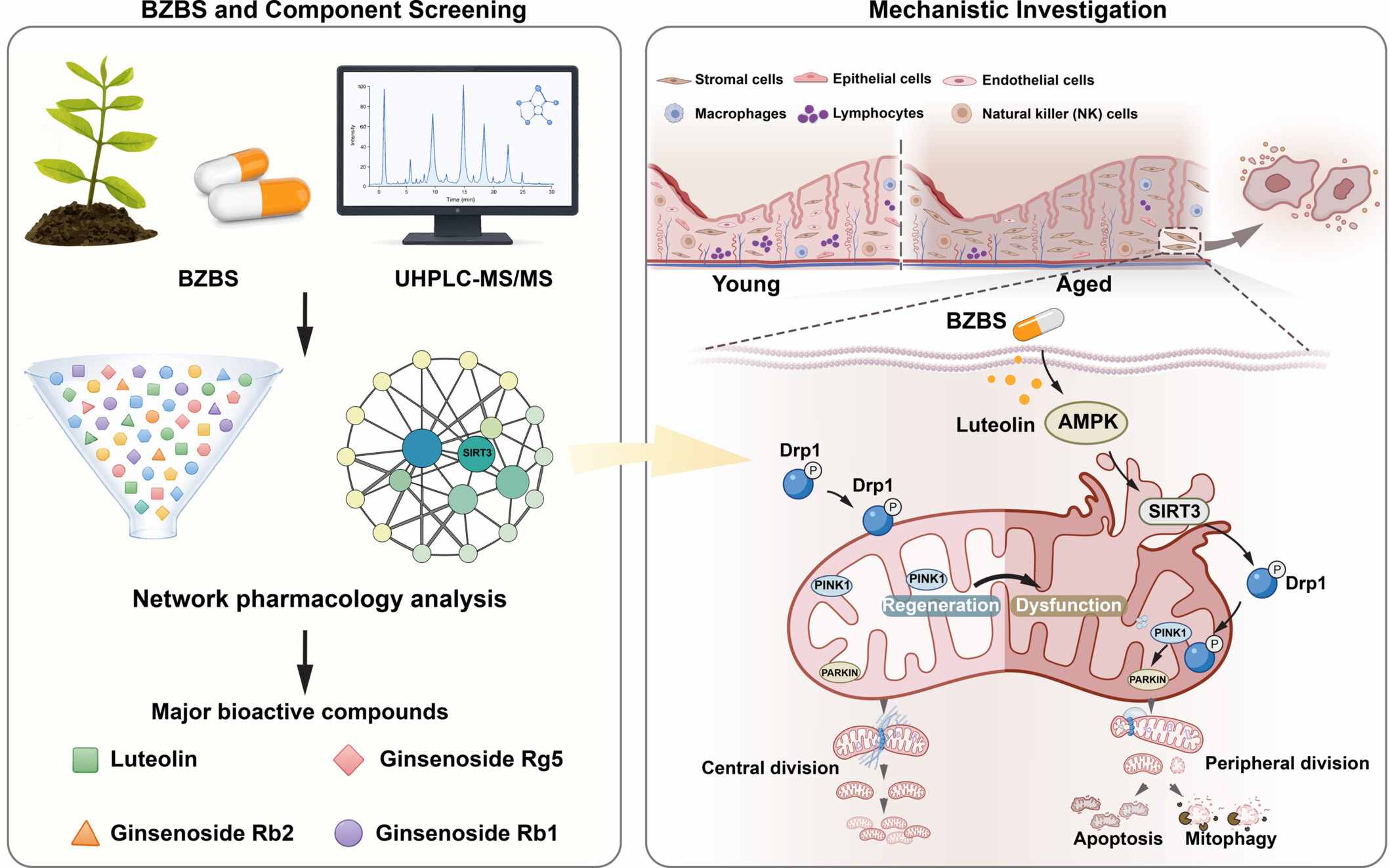
Bazi Bushen Capsule (BZBS) mitigates age-related endometrial dysfunction by activating AMPK − SIRT3 signaling. Luteolin, a key bioactive component, restores mitochondrial homeostasis via PINK1/Parkin−mediated mitophagy and Drp1 inhibition, improving endometrial function and fertility potential.
Spatial multi-omics unveils sphingolipid metabolic reprogramming within the retinal pathological niche
- 20 August 2026
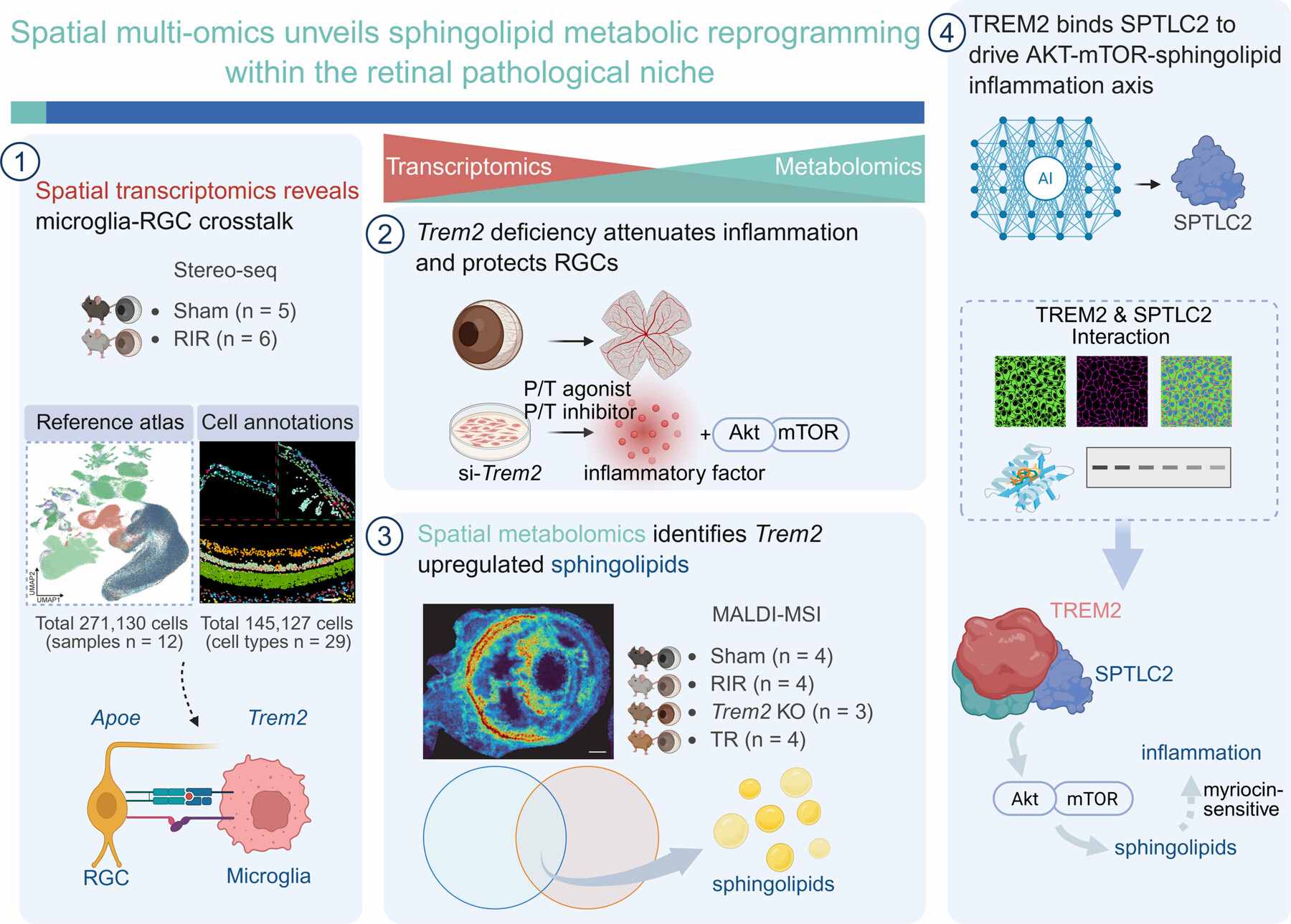
Spatial multi-omics of the mouse ocular globe after retinal ischemia-reperfusion (RIR) injury identifies the ganglion cell layer (GCL) as an immunometabolic niche where Trem2+ microglia closely associate with stressed retinal ganglion cells (RGCs) through Trem2-Apoe signaling. Genetic deletion of Trem2 attenuates microglial inflammation and protects RGCs. Spatial metabolomics further reveals that Trem2 is associated with the accumulation of sphingolipid metabolites within the GCL. Spatial metabolomics reveals that TREM2-expressing microglia co-localize with altered sphingolipid ion signatures. Mechanistically, TREM2 interacts with SPTLC2, suggesting a potential regulatory interface that correlates with inflammatory activation. These findings suggest a TREM2-SPTLC2-sphingolipid axis as a spatially confined, potentially druggable pathogenic mechanism in RIR injury.
A gut microbiome-lipid axis in early pregnancy is associated with metabolic dysregulation and diabetes risk
- 10 August 2026
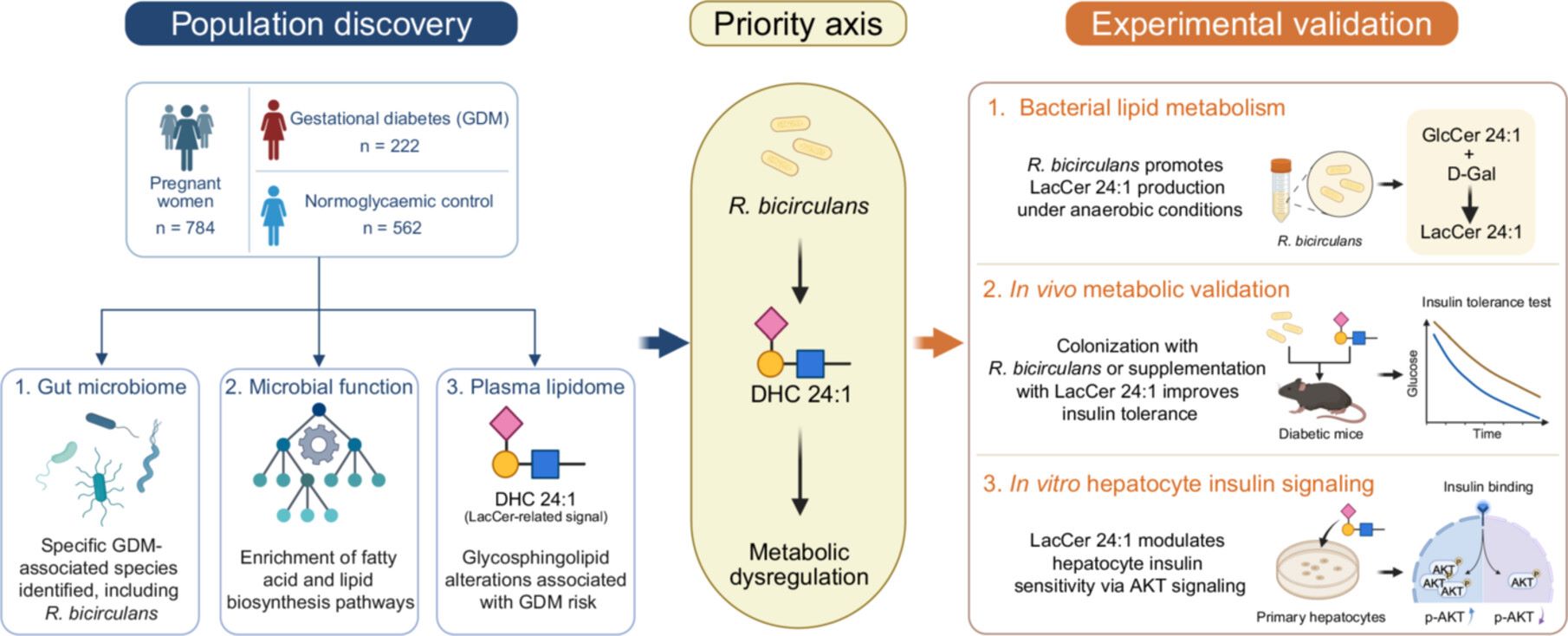
Early-pregnancy microbiome and lipidome profiling identified a microbiome-glycosphingolipid axis associated with later gestational diabetes mellitus (GDM) risk. In the prospective pregnancy cohort, women who later developed GDM showed altered gut microbial composition, enriched microbial lipid biosynthesis pathways, and broad plasma lipidomic changes before clinical diagnosis. Cross-omics analyses highlighted dihexosylceramide (DHC) 24:1 as a lipid feature statistically linking GDM-associated microbial signatures with metabolic dysregulation. Experimental evaluation further supported the biological plausibility of this axis, showing that Ruminococcus bicirculans promoted lactosylceramide (LacCer) 24:1 production and LacCer-related metabolism may modulate host insulin signaling.
Microbiome and aging: Trajectories of microbiome age across human ecosystems and their systemic effects
- 06 July 2026
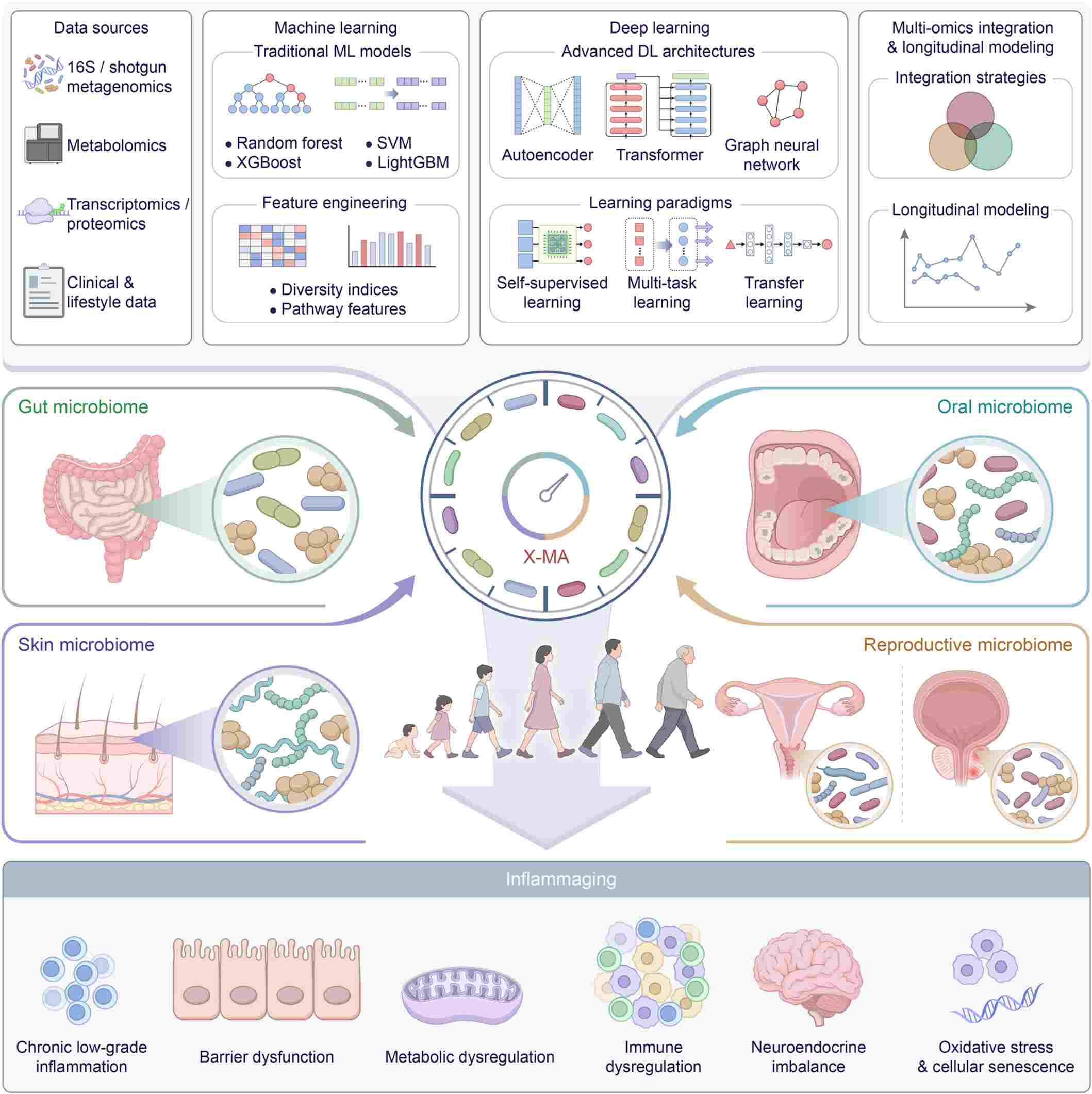
Microbiome age (MA) has emerged as an innovative biomarker of biological aging, reflecting host aging trajectories through dynamic alterations in microbial composition, function, and host–microbe interactions across multiple body ecosystems. Diverse computational strategies—including traditional machine learning, deep learning, and multi-omics longitudinal integration—enable the construction of microbiome age models from heterogeneous biological data. Across major human microbiota, including the gut, oral, skin, and reproductive, age-associated microbial remodeling exhibits both site-specific characteristics and convergent systemic patterns. Integration of these ecosystem-specific microbiome ages (X-MA) provides a multidimensional framework for evaluating organismal aging status. Mechanistically, microbiome aging is closely linked to inflammaging and systemic physiological decline through chronic low-grade inflammation, epithelial barrier dysfunction, metabolic dysregulation, immune imbalance, neuroendocrine disruption, oxidative stress, and cellular senescence. Together, MA represents a promising systems-level biomarker bridging computational prediction, microbial ecology, and aging biology, with broad implications for aging assessment, risk stratification, and precision intervention.
The gut microbiome organ
- 21 August 2026
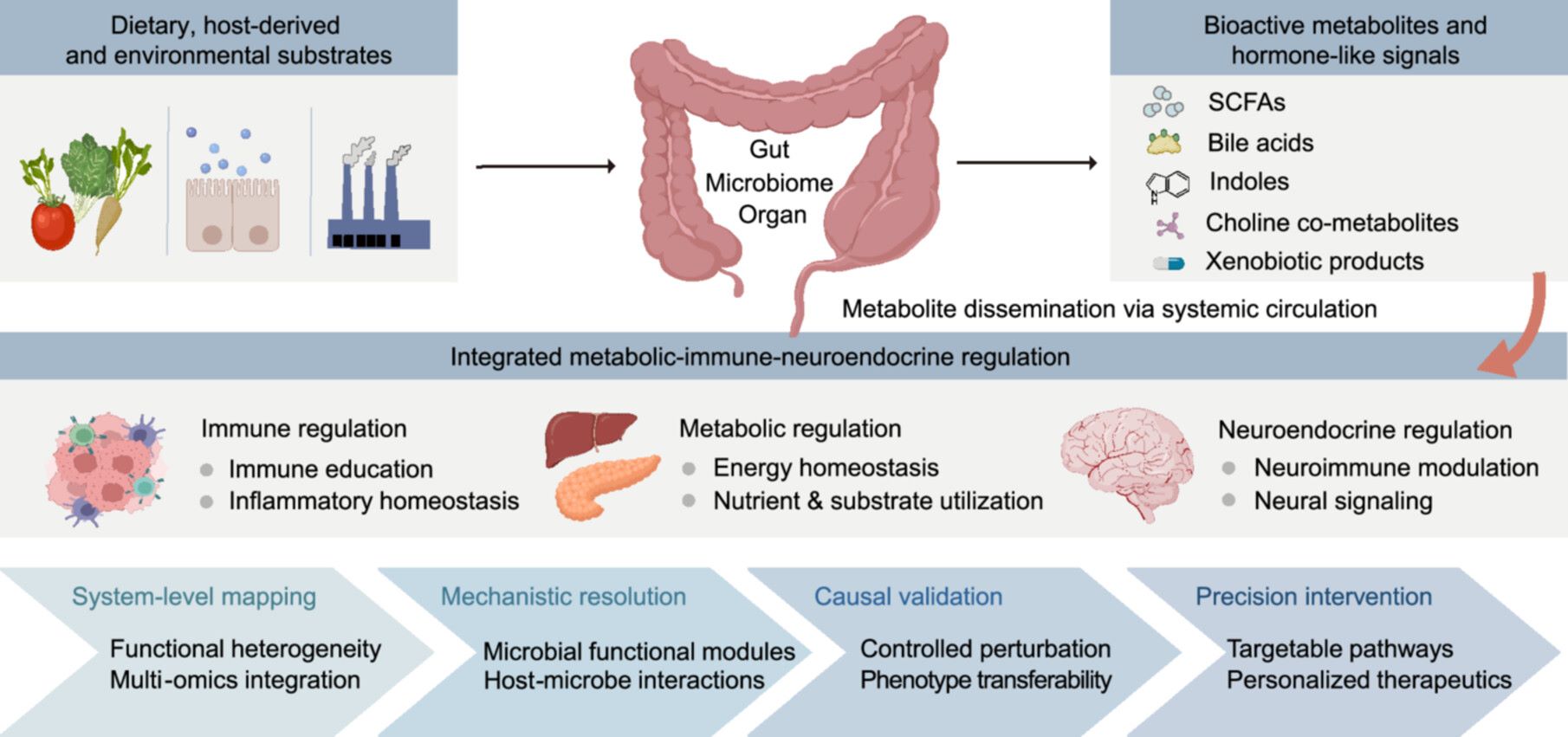
The gut microbiome can be conceptualized as a distributed organ-like functional system with spatially structured organization, broad biochemical capacity, and continuous bidirectional communication with the host. By transforming dietary, host-derived, and environmental substrates into bioactive metabolites with endocrine-like, immunomodulatory, and neuromodulatory activities, the microbiome contributes to metabolic, immune, and neuroendocrine pathways that shape systemic homeostasis and disease susceptibility. Emerging spatial, multi-omics, and computational approaches are enabling systems-level mapping of microbiome architecture, functional modules, and host–microbe signaling networks, moving the field beyond descriptive taxonomy toward mechanistic insight and causal inference. This organ-level framework provides a conceptual and translational basis for developing precision microbiome medicine through the identification of targetable pathways, functional circuits, and personalized therapeutic strategies.
Maternal and infant gut microbiome
- 04 August 2026
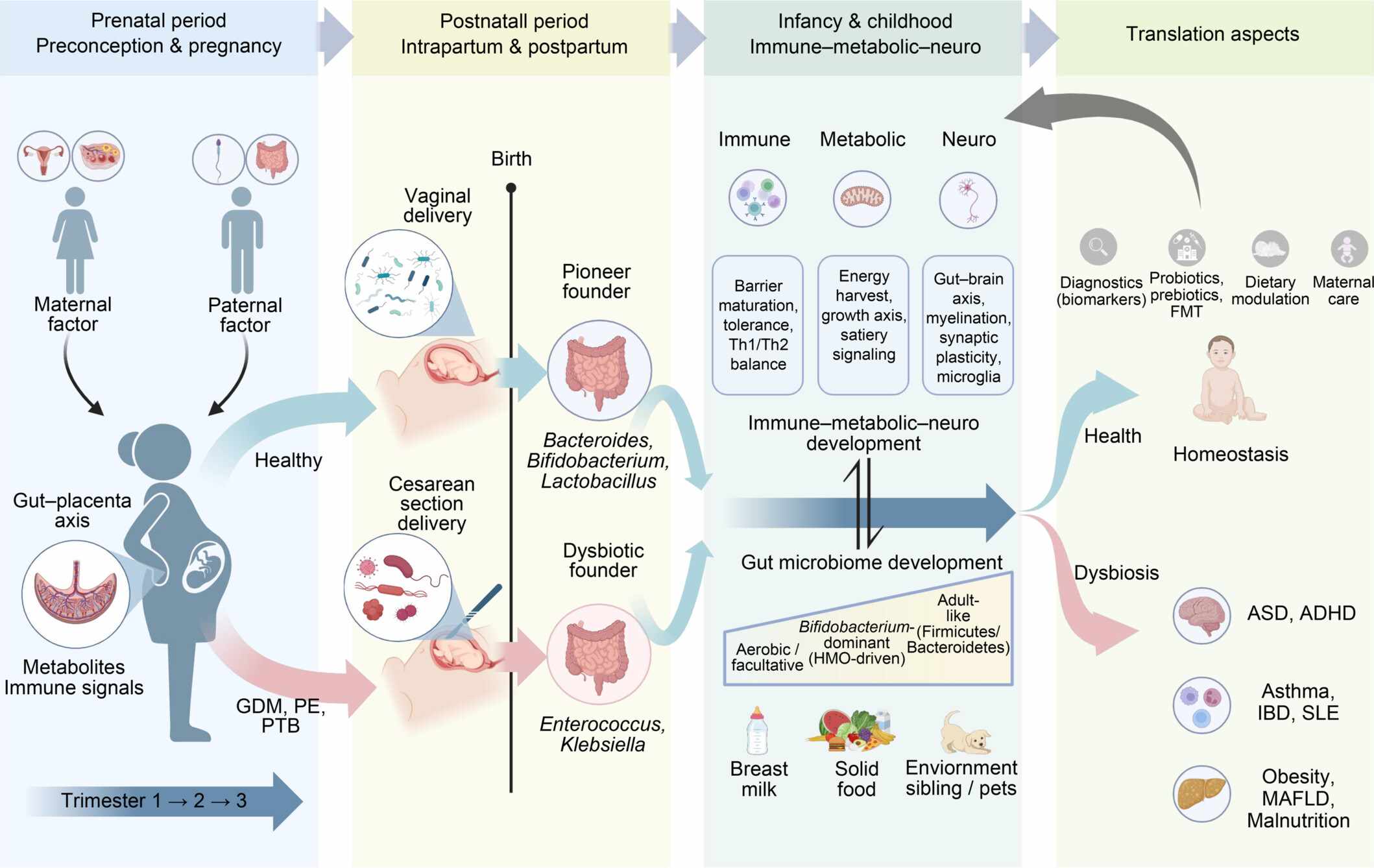
The maternal–infant continuum involves critical windows of host–microbiota co-adaptation. Preconception, maternal and paternal microbiomes modulate immunity and reproduction. During pregnancy, a gut–placenta axis emerges, where microbial metabolites influence fetal growth or contribute to complications like gestational diabetes mellitus (GDM), preeclampsia (PE) and preterm birth (PTB) if dysbiosis occurs. At birth, delivery mode dictates the pioneer founder microbiota; vaginal delivery provides beneficial taxa (Bacteroides, Bifidobacterium), whereas cesarean section introduces skin and environmental microbes. Postnatally, diet (breast milk vs. solid food) drives succession toward an adult-like state. This continuum profoundly shapes immune, metabolic, and neurodevelopmental trajectories, linking early dysbiosis to later disorders like autism spectrum disorder (ASD), attention-deficit/hyperactivity disorder (ADHD), asthma, inflammatory bowel disease (IBD), systemic lupus erythematosus (SLE), obesity, metabolic dysfunction-associated fatty liver disease (MAFLD), and malnutrition. Translational approaches aim to restore homeostasis via diagnostics and targeted modulations.
The plant microbiome: From ecological foundations to precision microbial engineering for sustainable agriculture
- 02 August 2026
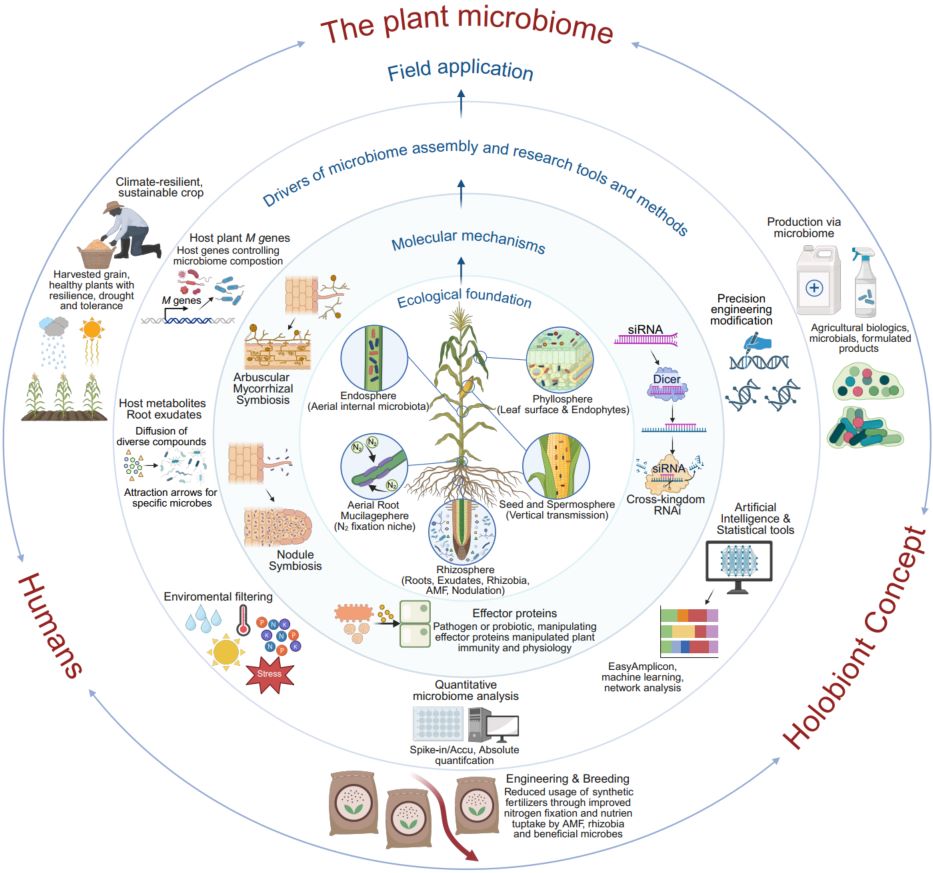
From ecological principles to precision engineering of plant microbiomes for sustainable agriculture. The plant holobiont integrates diverse microbial niches (including rhizosphere, endosphere, phyllosphere, seed, and aerial-root mucilagesphere), host genetics (namely M genes), and host metabolites. Furthermore, molecular dialogues, including rhizobial and mycorrhizal symbioses, cross-kingdom RNA interference, and effector-mediated communication, drive beneficial associations, while the pathobiome concept reframes disease as a community-level process. Importantly, cutting-edge methodologies (e.g., quantitative microbiome profiling and artificial intelligence-driven synthetic microbial community design) enable predictive manipulation. Finally, the translational pathway encompasses standardized synthetic microbiome products, synbiotic strategies, and microbiome-guided breeding, aiming to enhance stress resilience, reduce fertilizer and pesticide inputs, and stabilize field performance. Taken together, this framework bridges fundamental ecological principles with practical applications for climate-resilient crop production.
Microbial DNA methylation links rumen transcriptional activity to methane emission divergence in dairy cows
- 14 July 2026
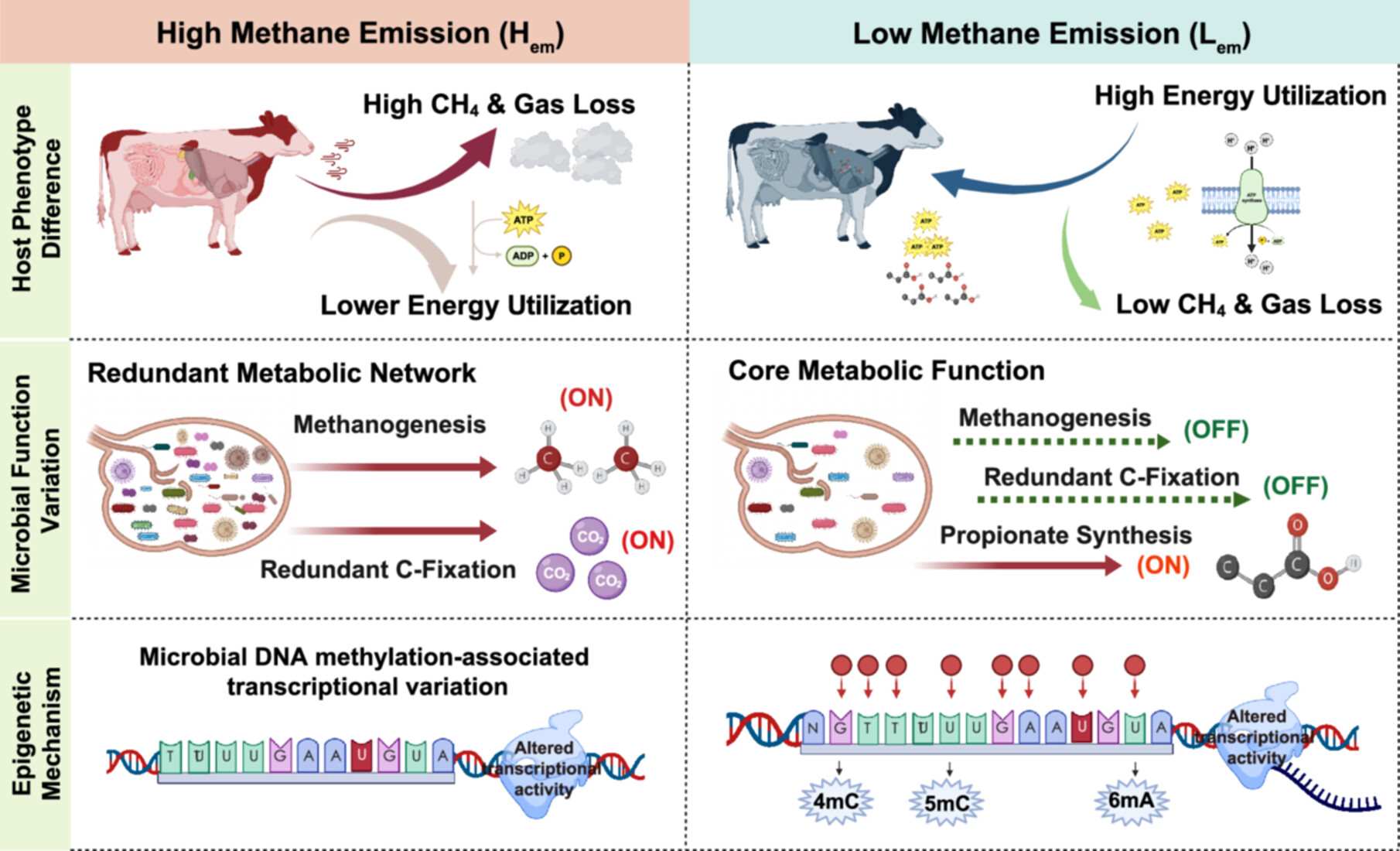
Genome-resolved methylomics uncovers the first DNA methylation atlas of the dairy cow rumen microbiome. Microbial DNA methylation profiles diverge between low- and high- methane-emitting dairy cows despite limited taxonomic differences. Differential methylation is linked to transcriptional variation in genes involved in carbon metabolism, hydrogen utilization, and methanogenesis.
Gut microbiota-mediated immune and metabolic dysregulation in coronary artery disease progression and prognosis
- 01 July 2026

The gut microbiota has emerged as a metabolically active endocrine-like organ with a crucial role in coronary artery disease (CAD), yet its contribution to adverse clinical outcomes remains incompletely understood. In this prospective cohort of 319 participants, we integrated metagenomic and metabolomic profiling with longitudinal follow-up over a median of 1.85 years. Fecal microbiota transplantation from patients with CAD transmitted susceptibility to atherosclerosis in antibiotic-treated ApoE−/− mice, accompanied by microbiota-induced vascular inflammation mediated through LPS–TLR4 signaling. Gut microbiota-derived aromatic amino acid metabolism was associated with thrombotic risk and major adverse cardiac events (MACE). Machine learning identified gut microbial features that improved prospective prediction of MACE. Together, these findings implicate the gut microbiome in CAD progression and support the development of microbiome-based strategies for cardiovascular risk prediction and prevention.
Two near-complete assemblies reveal R-subgenome structural and centromeric divergence associated with reproductive isolation in hexaploid triticale
- 13 July 2026
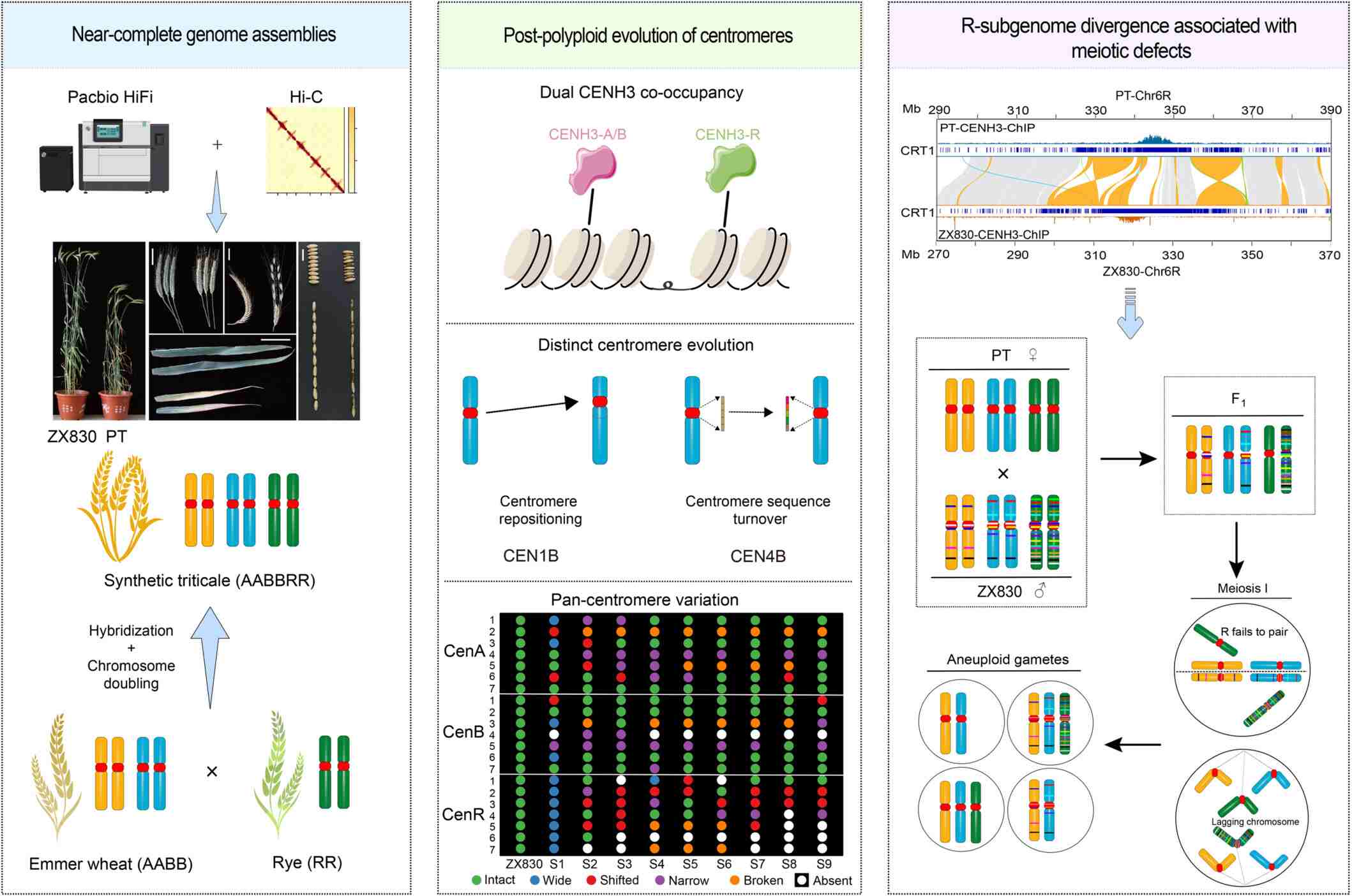
We present two near-complete triticale genome assemblies and perform pan-centromere analyses across >200 haplotypes from parental species, synthetic allopolyploids, cultivars, and 337 resequenced accessions, revealing a shared chromatin framework underlying functional centromeres in all three subgenomes, where wheat- and rye-derived CENH3 co-occupy divergent centromeric repeats. Postpolyploid evolution drives extensive centromere remodeling, including size convergence, repeat turnover, and locus repositioning, with the R subgenome emerging as the primary source of structural and centromeric divergence. In F1 hybrids, R-subgenome structural and centromeric divergence is associated with meiotic abnormalities, including chromosome misalignment, lagging chromosomes, and micronuclei formation, suggesting a link between centromere variation and reduced meiotic stability.
Dietary fiber-based oral nanovaccine promotes gut-to-nose trafficking of regulatory cells and drives antigen-specific tolerance to relieve airway allergy
- 25 July 2026
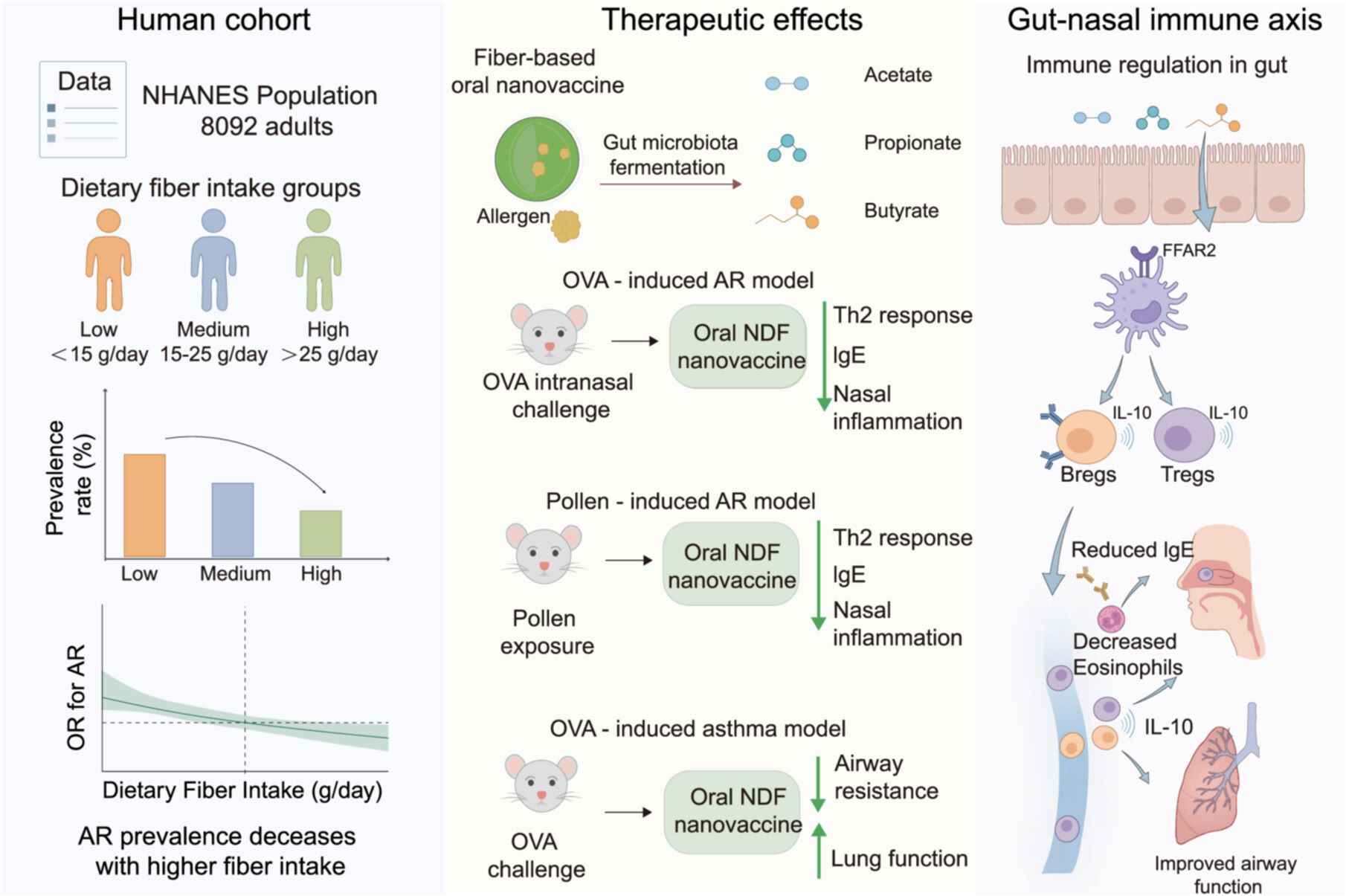
Current therapies for allergic rhinitis primarily provide symptomatic relief but fail to establish durable antigen-specific immune tolerance. Here, we developed an oral nano-dietary fiber (NDF) platform that integrates allergen delivery with microbiota-driven immunomodulation, using dextran as both an antigen carrier and a fermentable substrate for intestinal bacteria. NDF enabled coordinated allergen release and sustained short-chain fatty acid (SCFA) production in the gut, promoting SCFA–FFAR2-dependent expansion of regulatory B and T cells and their trafficking to the nasal mucosa. In murine models, NDF slowed disease progression, improved airway function, and reduced allergen-specific IgE levels. Together, these findings establish NDF as an oral tolerogenic vaccine that provides durable protection against allergic airway disease through the gut-nasal axis.
Limosilactobacillus reuteri enhances ovarian function and female fertility
- 06 August 2026
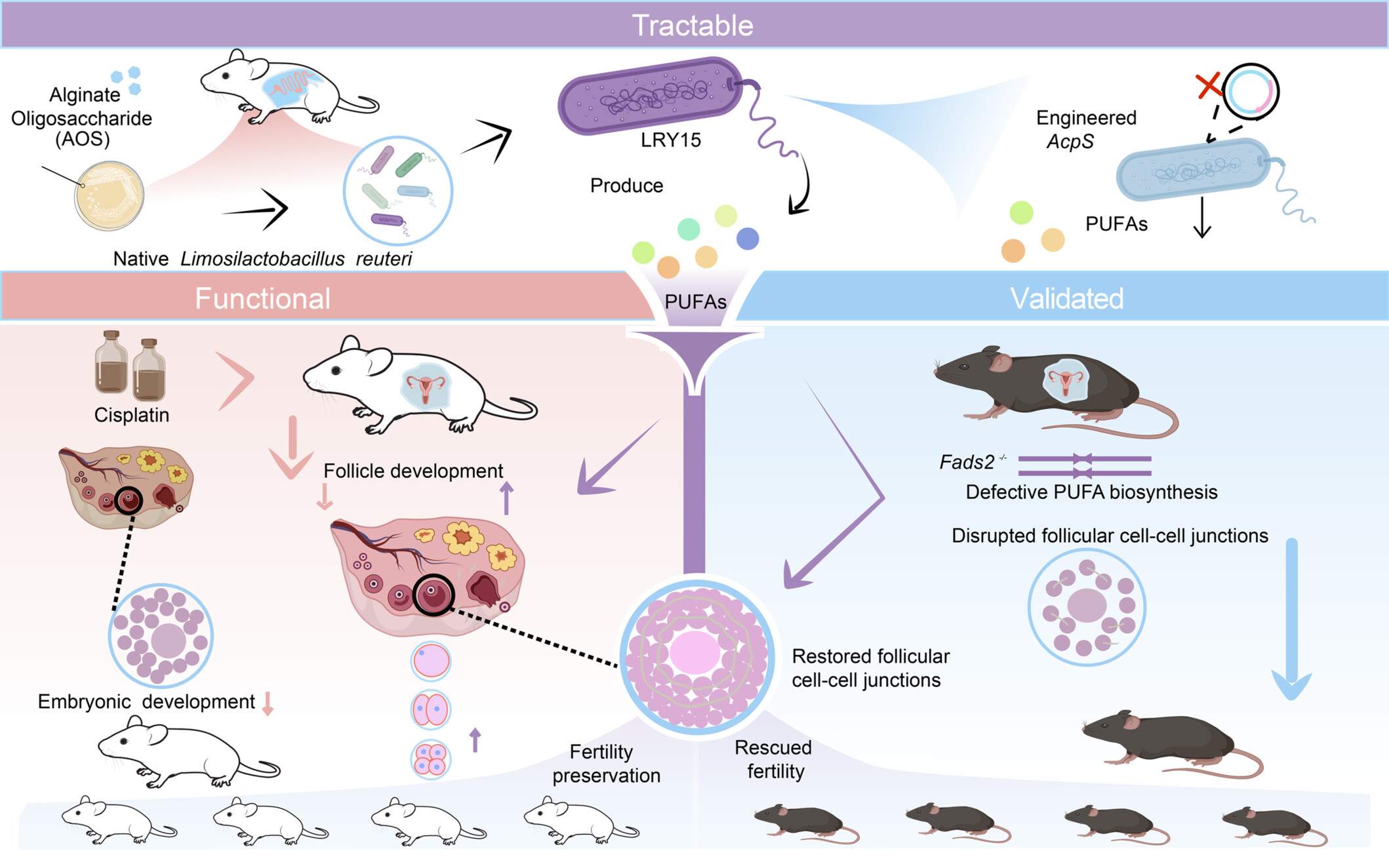
Limosilactobacillus reuteri Y15 (LRY15)-derived polyunsaturated fatty acids (PUFAs) restore follicular cell-cell junctions and fertility. LRY15, isolated from the intestine of alginate oligosaccharides (AOS)-dosed mice, improves ovarian function and fertility in cisplatin-induced subfertile mice. LRY15 produces PUFAs, whereas deletion of holo-acyl carrier protein synthase (AcpS) in LRY15 reduces PUFA synthesis and weakens its protective effects. Docosahexaenoic acid (DHA) supplementation recapitulates LRY15-mediated improvements in follicle and embryo development. Stereo-seq analysis reveals that LRY15 restores ovarian cell-cell junctions, suggesting junction remodeling as an important cellular process associated with LRY15 treatment. The Fads2-deficient mouse model further validates that LRY15-derived PUFAs restore follicular junction integrity and improve fertility.
Single-cell profiling of peripheral blood reveals acute-phase immune dysregulation in human scrub typhus
- 05 August 2026
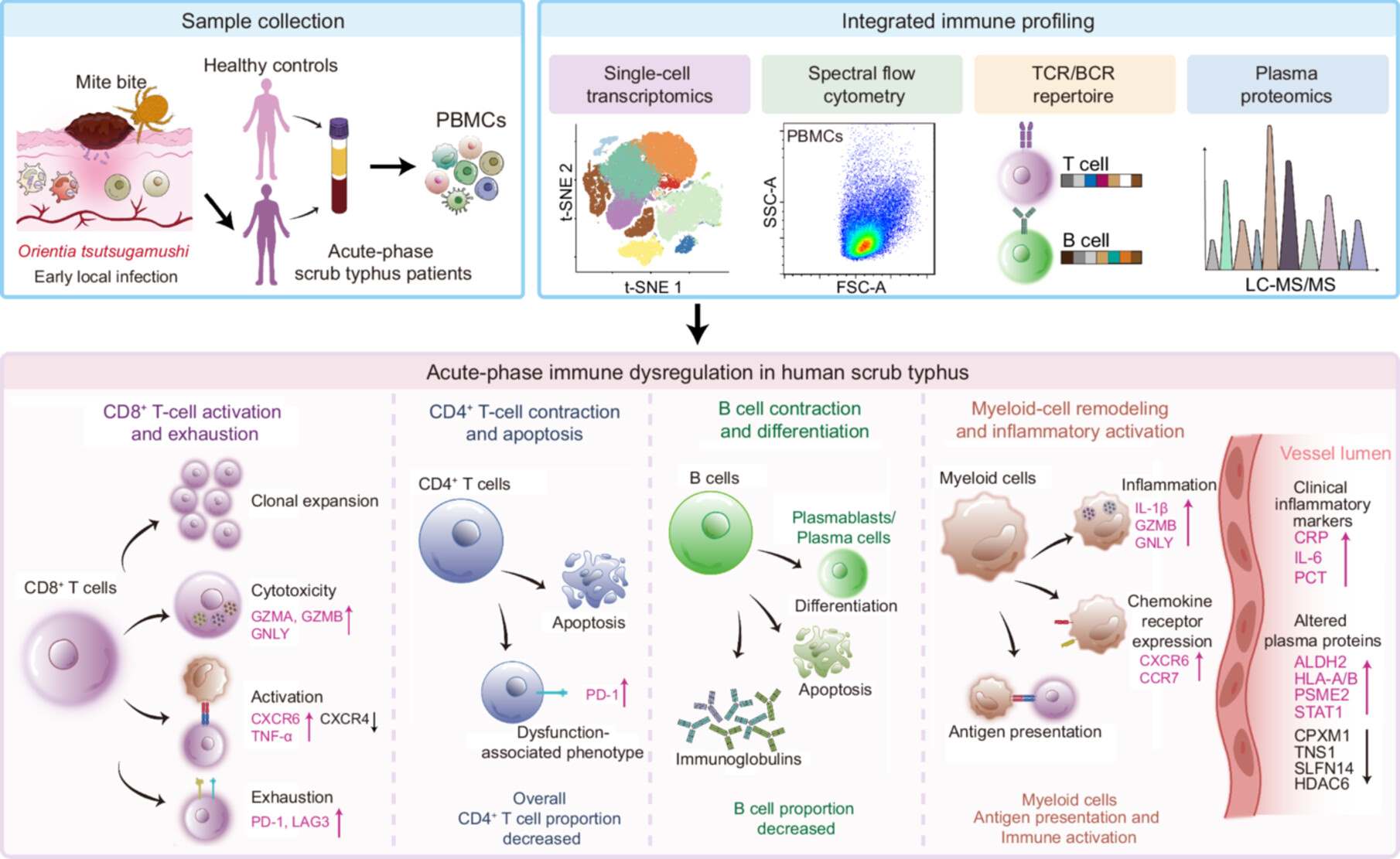
Integrated single-cell RNA sequencing, spectral flow cytometry, immune-receptor repertoire profiling, and plasma proteomics revealed coordinated peripheral immune remodeling during acute scrub typhus. Patients exhibited expansion of cytotoxic, clonally amplified CD8+ T cells with exhaustion-associated features, depletion and apoptosis of CD4+ T cells, B-cell contraction with enhanced plasmablast/plasma-cell differentiation, and inflammatory myeloid remodeling. CD14+CXCR6+ and CD14+GNLY+ myeloid-cell frequencies positively correlated with bacterial burden, defining prominent immune features of acute Orientia tsutsugamushi infection.
Exposure to micro- and nano-plastics: From human internal burden to systems-level health-risk interpretation
- 28 July 2026
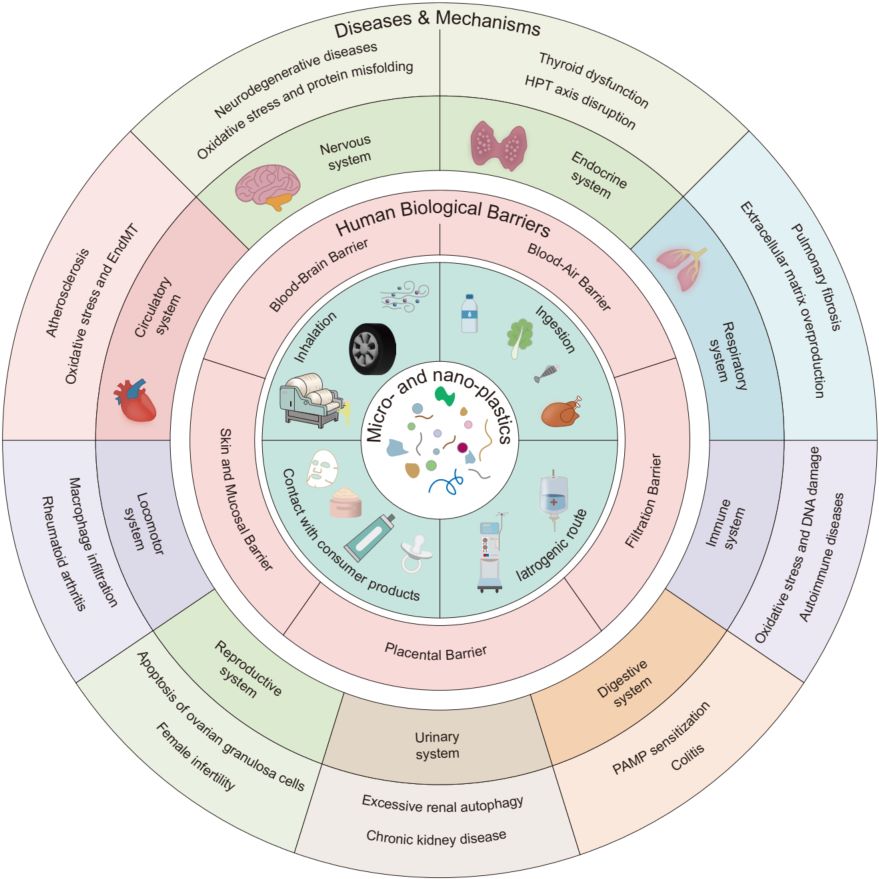
Micro- and nano-plastics (MNPs) can enter the human body through inhalation, ingestion, contact with consumer products, and iatrogenic routes. The clinical relevance of MNP exposure should be interpreted at three levels: barrier interaction, cellular stress, and system-level disruption, with key mechanisms including oxidative stress, mitochondrial dysfunction, and chronic inflammation.
The role of human microbiota in breast cancer pathogenesis and treatment
- 14 June 2026
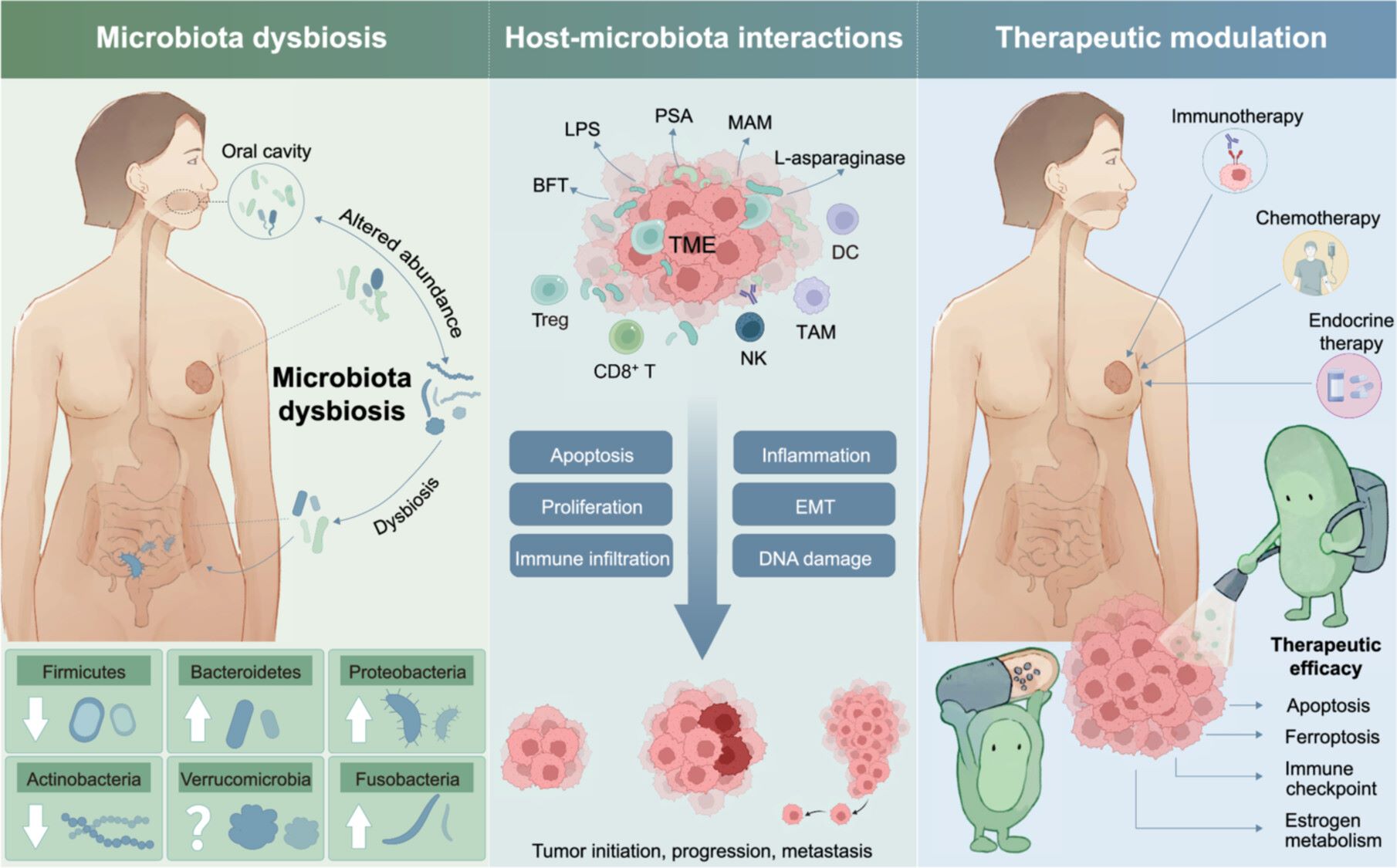
The human microbiota contributes to breast cancer pathogenesis and treatment response through interactions involving the oral, gut, and breast microbial niches. (Left) Multi-site dysbiosis is characterized by altered microbial composition and abundance across different anatomical sites. (Middle) Microbial components and metabolites influence tumor progression and the tumor microenvironment through mechanisms including immune, metabolic, and inflammatory regulation. (Right) The microbiota and their metabolites further affect therapeutic efficacy and toxicity in immunotherapy, chemotherapy, endocrine therapy, and human epidermal growth factor receptor 2 (HER2)-targeted therapy, highlighting the translational potential of microbiota-targeted strategies in breast cancer.
Enviromics crosstalk between internal and external plant environments for enhanced adaptation and de novo domestication
- 09 June 2026
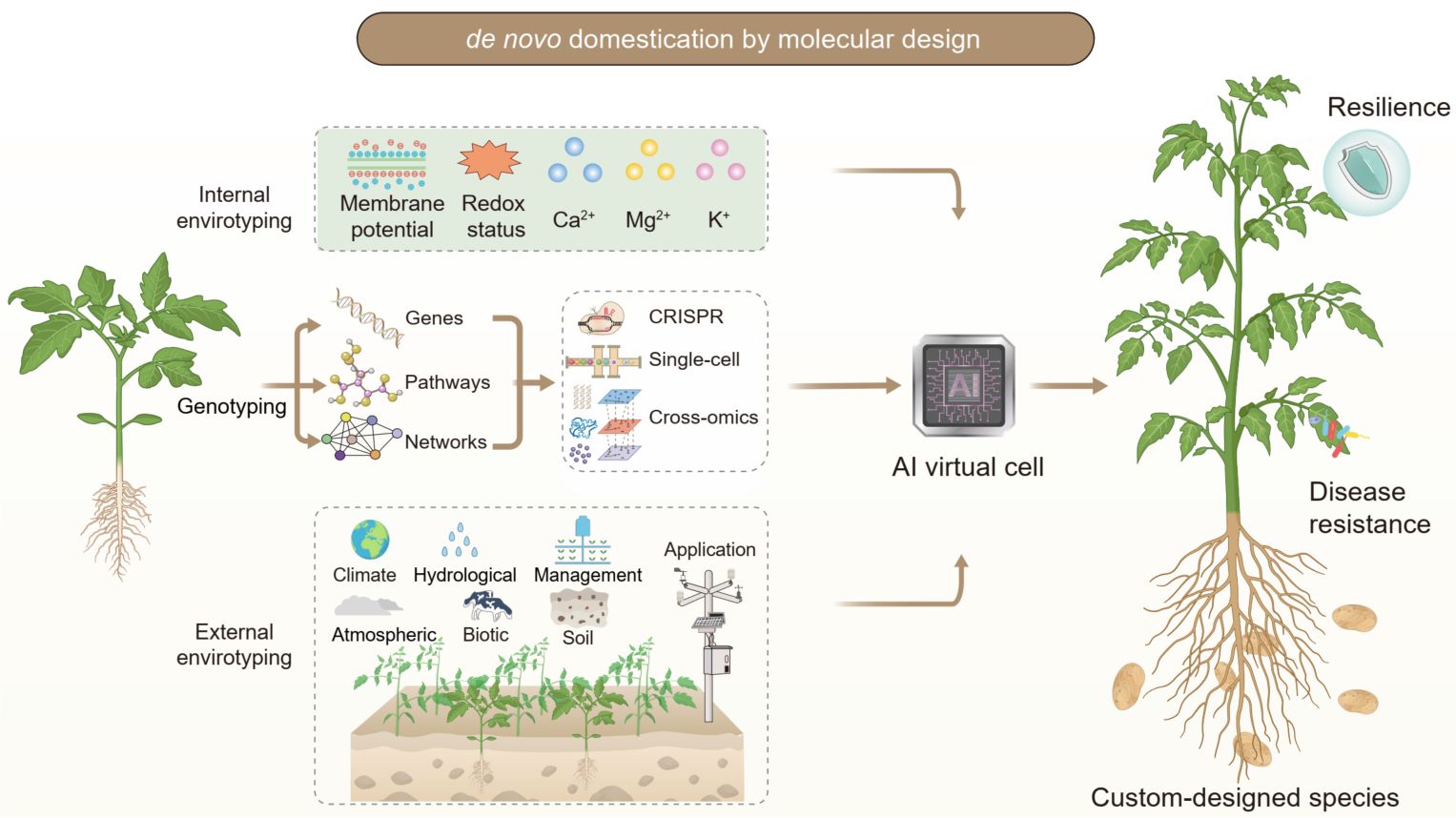
Climate change demands accelerated plant adaptation and de novo domestication. Yet current enviromics focuses disproportionately on external environments, neglecting internal dynamics—gene expression, metabolic flux, and signal transduction—within predictive envirotyping frameworks. This gap constrains plant-environment adaptation research and crop improvement. Integrating multi-scale envirotyping with plant-environment interaction networks could catalyze a paradigm shift from empirical selection to mechanism-informed design breeding. Four challenges remain: (1) constructing adaptive multi-dimensional networks, (2) engineering transgenerational epigenetic reprogramming, (3) scaling domestication pipelines, and (4) predicting adaptive trajectories. Future efforts should converge on five domains: high-throughput microprobe envirotyping arrays, spatiotemporally resolved multi-omics, decoding epigenetic memory carriers, artificial intelligence (AI)-guided genome design, and phenotype prediction models. Ultimately, advancing from multi-omics dissection and mechanistic interpretation to targeted de novo design will enable the precise engineering of crop adaptive responses to environmental change.
Environmental chemicals and the tumor immune microenvironment
- 22 July 2026
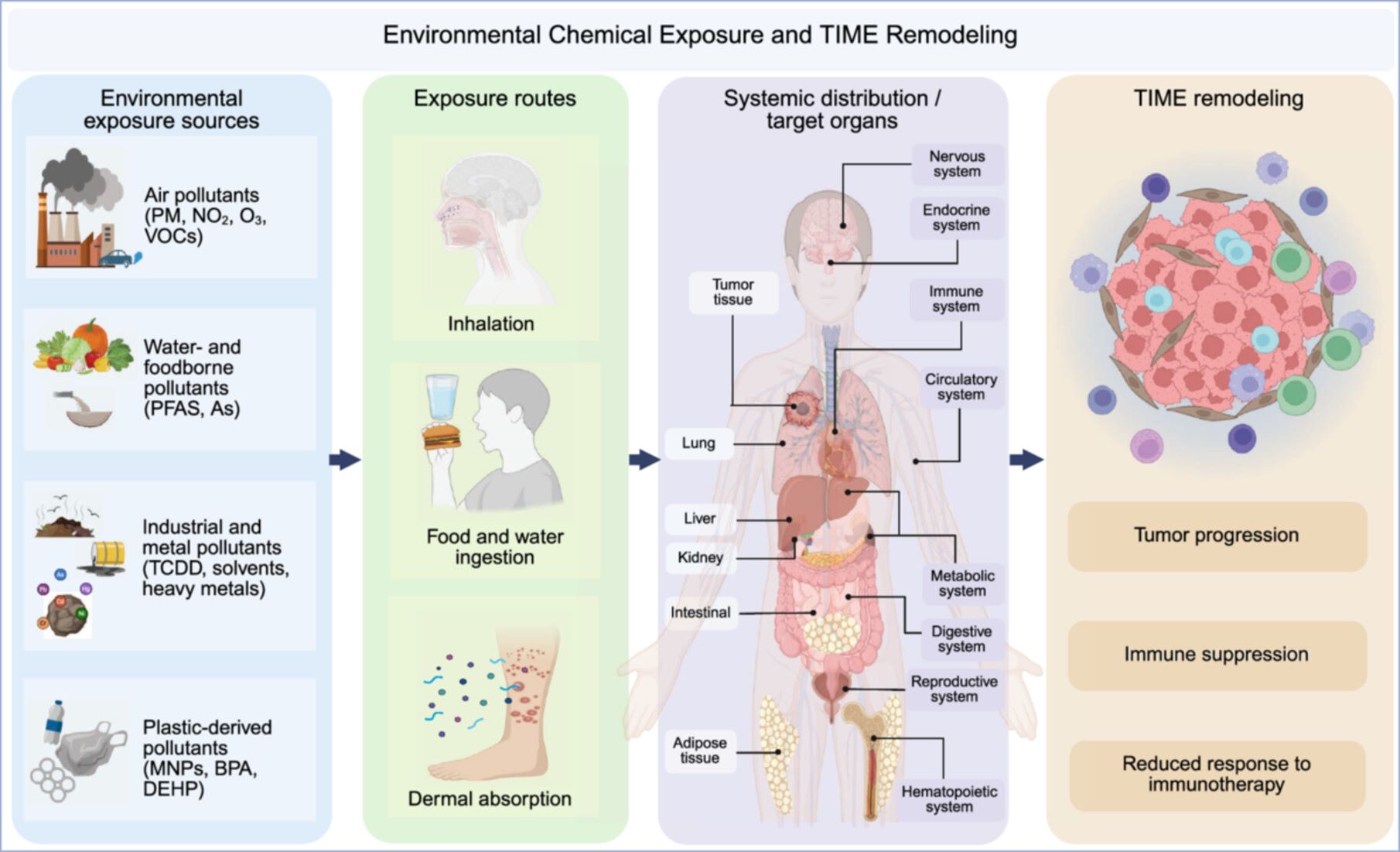
Impact of representative environmental chemicals on tumor immune microenvironment (TIME). Representative environmental chemicals are ubiquitously distributed across air, soil, aquatic systems, and biota. These toxicants enter the human body via multiple exposure routes, including inhalation, dietary intake, and dermal absorption, subsequently accumulating in vital organs (such as the liver, lungs, kidneys, and intestines) as well as within tumor tissues. By disrupting physiological homeostasis, they impair the functionality of critical biological systems, including the metabolic, nervous, circulatory, and immune systems. Notably, within tumor tissues, these chemicals remodel the TIME by suppressing antitumor immunity and compromising the efficacy of immunotherapy, thereby promoting tumor initiation and progression.